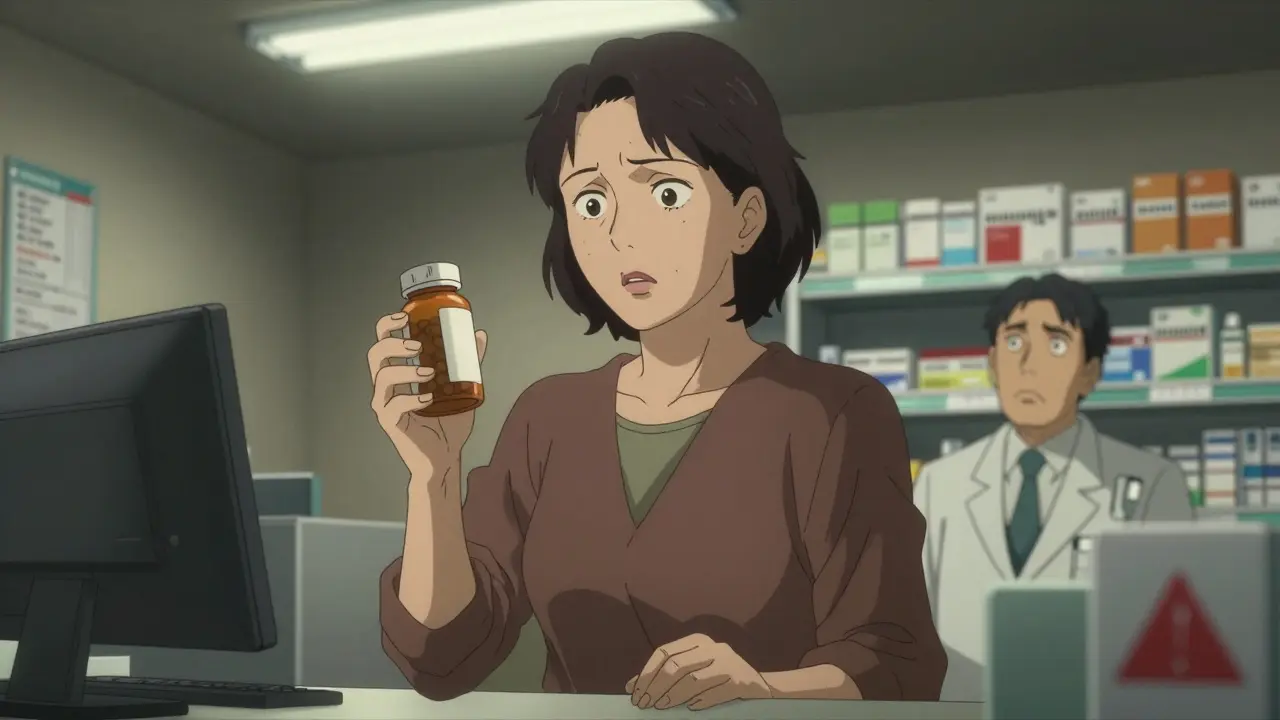
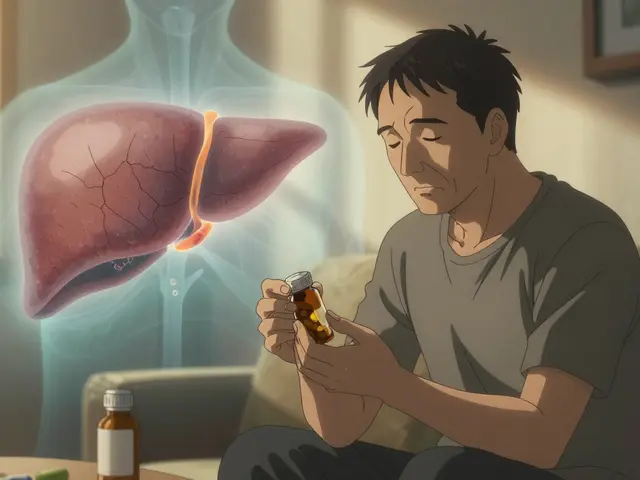
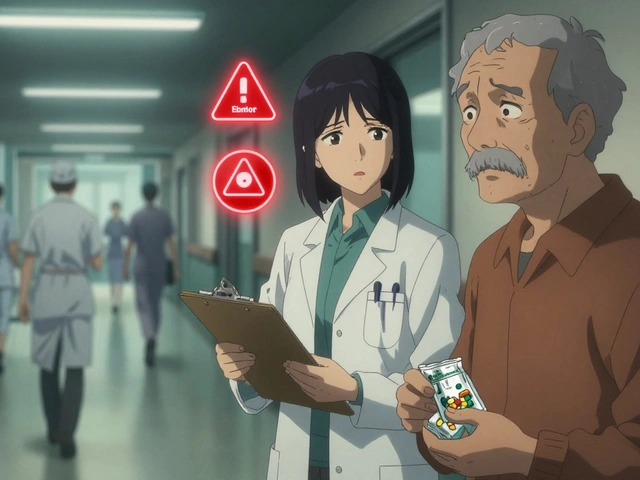
Getting the wrong medication or the wrong dose from a pharmacy isn’t just a mistake-it’s a safety risk. Maybe you picked up your prescription and noticed the pills look different. Or the label says 10mg when your doctor prescribed 5mg. Maybe the pharmacist didn’t warn you about a dangerous interaction with your other meds. Whatever the error, you’re not alone. Thousands of people face this every year. And the good news? Reporting it matters. Not just for you, but for everyone who walks into that pharmacy next.
What Counts as a Pharmacy Error?
A pharmacy error isn’t always a big, scary mistake. Sometimes it’s a small slip with big consequences. Here’s what counts:
- Wrong medication (you got amoxicillin when you needed azithromycin)
- Wrong dosage (50mg instead of 5mg)
- Wrong patient (someone else’s prescription was given to you)
- Wrong instructions (missing directions, unclear label)
- Missing warning (no alert about alcohol interaction, pregnancy risk, etc.)
- Expired or contaminated medication
- Incorrect quantity (100 pills when you were supposed to get 30)
Even if you didn’t take the medicine, reporting it still helps. These are called “near-misses,” and they’re just as important. A 2022 study from the American Society of Health-System Pharmacists found that hospitals with strong near-miss reporting systems saw 30% fewer actual errors over time. That’s because fixing small problems stops big ones before they happen.
How to Report a Pharmacy Error in the UK
If you’re in England, Scotland, or Wales, your first stop is the pharmacy itself. Walk in, call, or email. Don’t wait. You have up to 12 months to report, but the sooner you do, the better.
When you report, be clear. Say:
- What happened (e.g., “I was given metformin 1000mg instead of 500mg”)
- When it happened (date and time)
- What pharmacy you went to (name and location)
- What you did (e.g., “I didn’t take it” or “I took one pill before noticing”)
- Any side effects or concerns
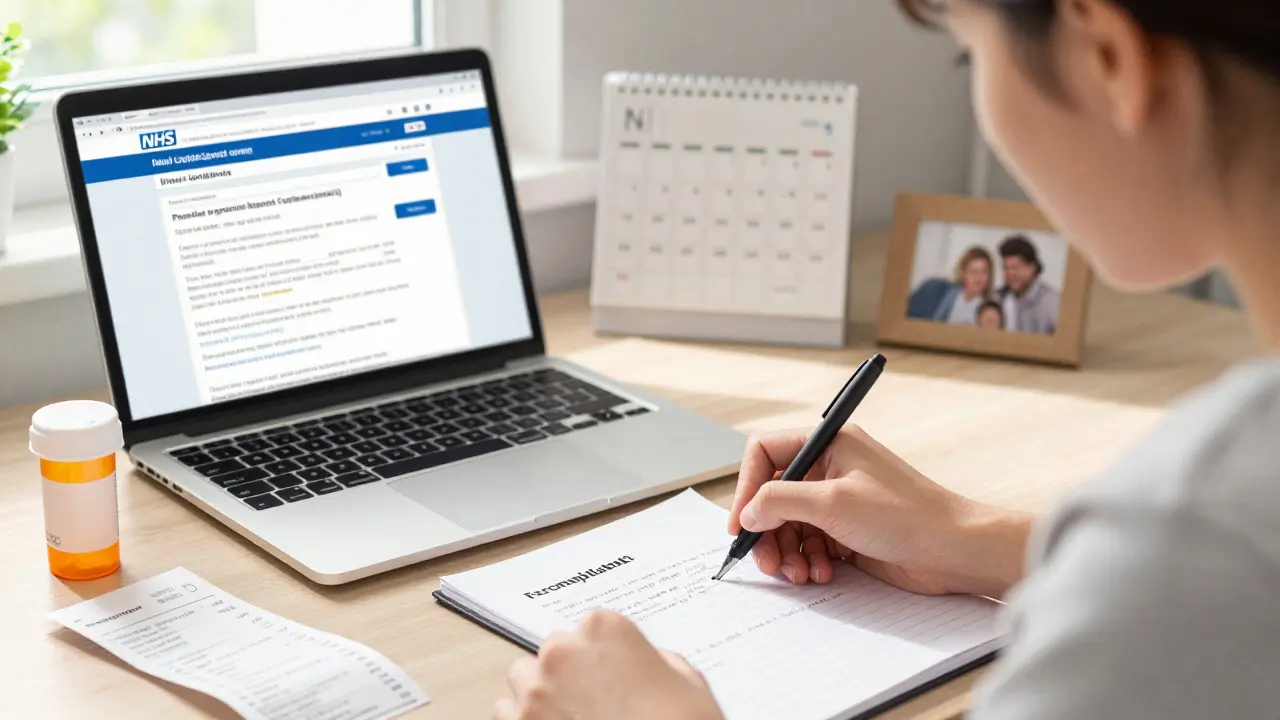
They must acknowledge your complaint within three working days. If you don’t hear back, call again. Ask for the name of the person handling your case. Keep notes. If you’re not satisfied with their response, you can escalate to the NHS complaints team. Go to nhs.uk/complaints or call 0300 311 22 33. The NHS doesn’t punish individuals-it looks at systems. Was the pharmacy short-staffed? Was the barcode scanner broken? Those are the things they fix.
How to Report a Pharmacy Error in the US
In the US, you have three main options, depending on how serious it was and where you live.
Option 1: Report to the FDA (MedWatch)
The FDA’s MedWatch system is the federal hub for reporting medication errors. You don’t need to be a doctor. Anyone can file. Go to fda.gov/medwatch and click “Report a Problem.” Fill out Form 3500. You can also call 1-800-FDA-1088. The FDA gets over 1.3 million reports a year-but only about 8% are medication errors. That means most errors never get reported. Your report helps fill that gap.
Option 2: Report to ISMP (Institute for Safe Medication Practices)
ISMP runs a confidential reporting system focused on learning, not blame. Call 1-800-233-7767 or visit ismp.org/report. They ask for details like: “What was the pharmacy’s workload that day?” “Was the computer system slow?” “Did the pharmacist seem rushed?” Their team interviews reporters to find root causes. In 2023, they analyzed 12,000 reports and found that 68% of errors were tied to workflow issues-not human error.
Option 3: Report to Your State Board of Pharmacy
Each state has its own board. California, for example, requires you to submit a form online or by mail with:
- A copy of the prescription
- The original medication container (if you still have it)
- Proof of purchase (receipt)
- Your contact info
California’s Board received 1,842 complaints in 2021 and took disciplinary action in 217 cases. That means they investigate-not just log. If they find negligence, the pharmacist can lose their license. Other states vary. Only 18 states require mandatory reporting by pharmacies. Check your state’s board website. Search “[Your State] Board of Pharmacy complaint form.”
What Happens After You Report?
Most people expect a call back. Some get a letter. Others get nothing. That’s frustrating, but here’s what’s really happening behind the scenes.
- Pharmacy internal review: The manager looks at the incident. They check CCTV, talk to staff, review the dispensing log. If it was a one-time mistake, they might retrain the pharmacist. If it was a system flaw (e.g., similar-looking drug labels), they change how they store meds.
- State board investigation: If you reported to your state board, they have 14 days to acknowledge your complaint. They may request medical records, interview staff, and even visit the pharmacy. If they find a pattern or negligence, they can fine the pharmacy, suspend the pharmacist, or require extra training.
- FDA/ISMP analysis: These agencies don’t contact you. They aggregate your report with others. If 10 people report the same error at different pharmacies, they issue a safety alert. In 2022, an ISMP report about mislabeled insulin vials led to a nationwide recall. Your report might have helped prevent a death.
Here’s the hard truth: only 14.3% of serious medication errors are ever reported, according to a 2021 Harvard study. People don’t report because they’re scared, confused, or think it won’t matter. But the data says otherwise. A 2022 University of Michigan study found that complaints with documentation (like the original bottle or prescription) were 3.7 times more likely to lead to real change.
What You Can Do to Protect Yourself
Reporting is powerful-but prevention is better. Here’s how to catch errors before they happen:
- Check the label before you leave. Does the drug name match your prescription? Is the dose right?
- Ask the pharmacist to explain what the pill is for and how to take it. Don’t be shy. Pharmacists are trained to answer.
- Keep a list of all your meds-name, dose, why you take it-and bring it to every appointment.
- Use one pharmacy if you can. That way, they can see all your prescriptions and spot dangerous interactions.
- Don’t ignore weird changes. If your pill looks different, ask. Even if it’s the same drug, color or shape changes can mean a different manufacturer or formulation.
Why Reporting Matters More Than You Think
Medication errors cost the US healthcare system $3.5 billion a year. In the UK, the NHS spends millions treating avoidable harm. But money isn’t the only cost. People die. In 2023, the FDA estimated that 20% of drug-related deaths in hospitals could have been prevented with better reporting systems.
When you report, you’re not just complaining. You’re helping redesign a system that’s supposed to protect you. The FDA’s 2023 Action Plan includes launching a mobile app for easier reporting. California now lets you track your complaint online. ISMP’s new consumer portal lets you report in under 10 minutes. These changes happened because people like you spoke up.
One woman in Ohio reported a mislabeled blood pressure pill. The pharmacy fixed their labeling system. Three months later, another patient got the right dose. That patient’s husband later wrote a thank-you note: “You saved my wife’s life.”
You might never know if your report made a difference. But it did.
Can I report a pharmacy error if I didn’t take the wrong medicine?
Yes. In fact, reporting near-misses is one of the most valuable things you can do. Many errors are caught before they cause harm. These reports help pharmacies fix system flaws-like confusing packaging or rushed workflows-that could hurt someone else. The Institute for Safe Medication Practices says near-miss reports are just as important as actual error reports.
Will the pharmacy get in trouble if I report them?
It depends. In the UK, NHS pharmacies focus on fixing systems, not punishing staff. In the US, state boards may investigate and take action if negligence is found-but they rarely act on a single report. Most errors are caused by workload, fatigue, or poor processes, not malice. Reporting helps them improve, not get fired. The goal is safety, not blame.
How long does it take to get a response after reporting?
In the UK, pharmacies must acknowledge your complaint within 3 working days and give a full response after their investigation. In California, the Board has 14 days to acknowledge your report. The FDA and ISMP don’t respond directly to individuals-they use reports for broader analysis. If you’re waiting and don’t hear back after 2 weeks, follow up. Persistence matters.
Do I need to provide medical records to report an error?
Not always. For the FDA or ISMP, just describing what happened is enough. For state boards like California’s, they may ask for copies of your prescription, receipt, and sometimes medical records to verify the error. You can authorize release of records without giving full access. Always ask what’s required before sending anything.
Can I report anonymously?
Yes, but it’s less effective. Anonymous reports are accepted by the FDA and ISMP, but without contact info, they can’t follow up for details. If you’re worried about retaliation, ISMP’s system is confidential and legally protected. You can report without giving your name-but including your details helps them fix the problem faster and more accurately.
What’s Next? The Bigger Picture
Medication safety is getting better, but it’s not fixed. The global market for pharmacy safety tech is growing fast-$1.87 billion in 2022, projected to hit $5 billion by 2030. AI is helping catch errors before they leave the pharmacy. Barcode scanning, smart dispensers, and electronic alerts are becoming standard. But technology alone won’t fix everything. People still need to speak up.
The World Health Organization says medication safety is a global priority. The US Congress is considering a law to create a national reporting system. The UK’s NHS is expanding its learning culture. And it all starts with you.
If you saw a mistake, said something, and it didn’t feel like enough-that’s okay. You did your part. The next person who walks into that pharmacy might walk out with the right medicine because you reported it.




Bhaskar Anand February 22, 2026
This article is a joke. In India, we don't have pharmacies handing out wrong meds like candy. Your system is broken because you let unqualified people run pharmacies. No one checks anything. I've seen pharmacists in the US dispense insulin with no ID check. Pathetic. And you call this 'safety'? It's a circus.
Maranda Najar February 24, 2026
I just cried reading this. I almost lost my son because of a 10mg vs 5mg error. I didn't take the pills-I just stared at them. The label looked like a child's scribble. The pharmacist didn't even look up. I felt like a criminal for questioning her. I reported it. No one called back. No one apologized. But I kept going. I went to the FDA. I called ISMP. I sent a letter to the governor. I'm not done. If you're reading this and you saw something wrong? Don't wait. Don't second-guess. You are the only one who can stop the next tragedy. I'm still scared. But I'm not silent anymore.
Christopher Brown February 24, 2026
The FDA doesn't do anything. State boards are toothless. You think reporting helps? It's performative activism. Real change requires lawsuits. Or better yet-burn the whole system down. These pharmacists are overworked because you let corporations cut staff. Stop whining. Start suing.
Sanjaykumar Rabari February 24, 2026
I think this is all a lie. The government and big pharma are working together. They want you to take the wrong pills so you go back for more. The 'near-misses' are just distractions. They're testing you. If you report, they tag you. Then you get flagged. Next thing you know, your insurance denies your meds. I didn't report mine. I just switched pharmacies. I don't trust any of this.
Christina VanOsdol February 25, 2026
OMG. I just had a panic attack remembering when I got my thyroid med and it was BLUE instead of white. I took it. I didn't know. I was dizzy for 3 hours. I cried in the parking lot. I reported it. I got a generic 'thank you' email. But I kept digging. I found the pharmacist's name. I called the state board. I sent them my receipt. I even took a photo of the bottle. They suspended her for 30 days. And guess what? I got a call from a patient advocate. They apologized. I didn't expect that. So if you're scared? Do it anyway. You're not just reporting. You're fighting back.
Brooke Exley February 26, 2026
You are so brave for speaking up. Seriously. This post? It's a lifeline. You’re not just fixing a pharmacy-you’re healing a system that’s been ignoring people for decades. Every report is a brick in the wall. Every voice is a spark. You don’t have to be loud. You don’t have to be perfect. You just have to be honest. And that? That changes everything. I’m proud of you. Keep going. We’re right here with you.
Alfred Noble February 26, 2026
i just wanted to say i reported a wrong dose last year and honestly? nothing happened. no call, no letter. i thought it was useless. but then 3 months later, i went back to the same pharmacy and the new pharmacist said 'oh yeah, we changed how we label those meds.' i was like... wait. did i do that? turns out, yeah. i did. so don't give up. even if it feels like shouting into the void? sometimes, the void listens.
Matthew Brooker February 27, 2026
I work in a pharmacy. I’ve made mistakes. I’ve caught them before they left. I’ve also missed one. I didn’t get fired. I got trained. I got a mentor. We redesigned our workflow. It’s not about blame. It’s about learning. If you report, you’re not hurting someone. You’re helping us do better. We want to help you. But we can’t fix what we don’t know. So thank you. For speaking up. For caring. For not staying silent.
Emily Wolff February 27, 2026
This article is dangerously naive. You assume all pharmacists are well-intentioned. They’re not. Many are overpaid, underqualified, and indifferent. The real solution? Ban corporate pharmacies. Let independent pharmacists run things. They care. They know their patients. This isn’t about reporting-it’s about dismantling the industrial pharmacy machine.