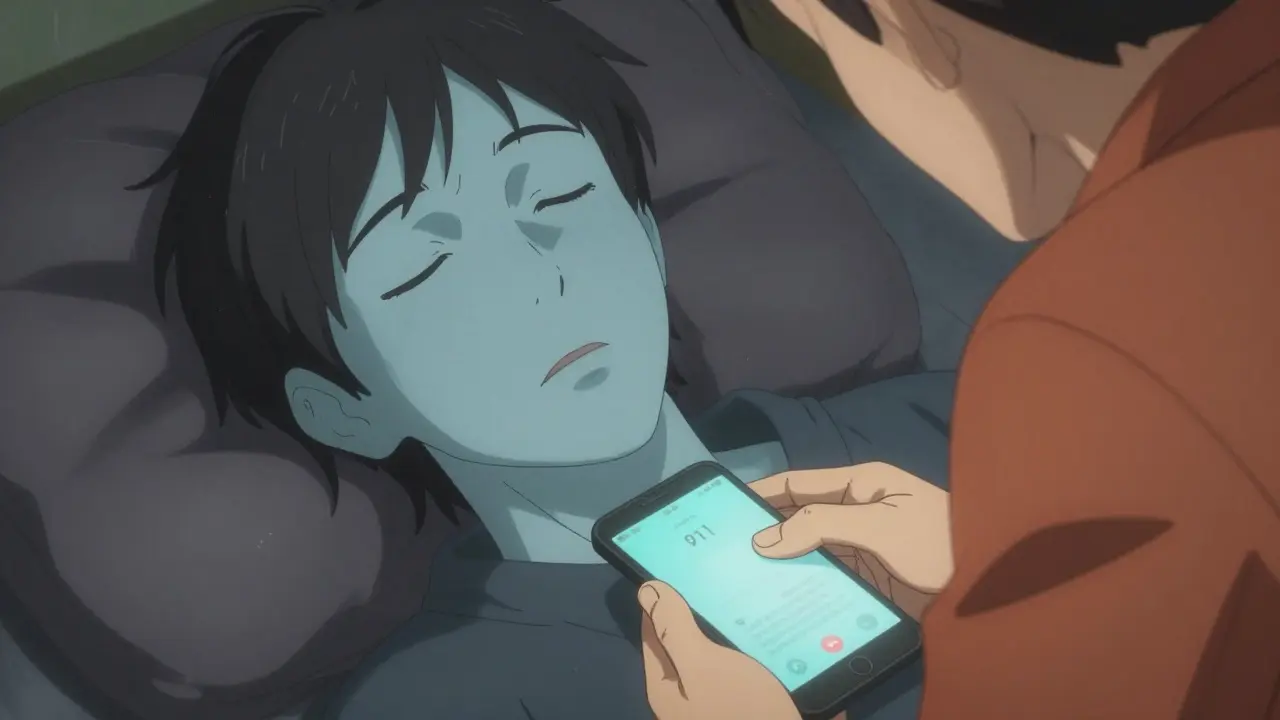
In 2022, over 81,800 people in the U.S. died from opioid overdoses. But with naloxone nasal spray, you can reverse an overdose in minutes-no medical training needed. This guide walks you through exactly what to do.
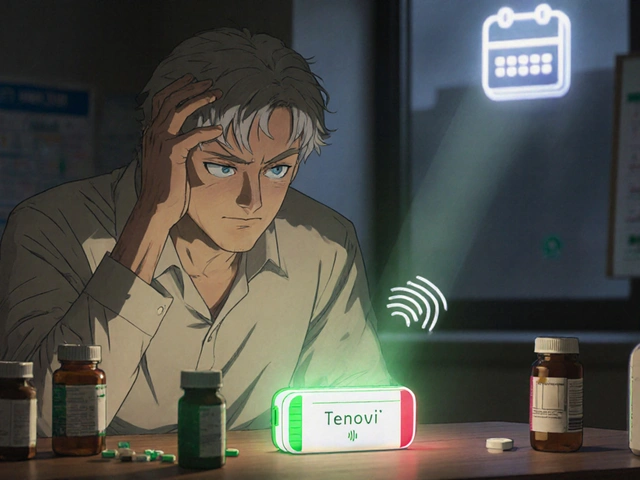
Naloxone nasal spray is a life-saving medication designed to quickly reverse opioid overdoses by blocking opioid receptors in the brain. Approved by the FDA in 2015 and made available over-the-counter in 2023, this single-use device delivers a precise 4 mg dose (3.8 mg of active ingredient) in a 0.1 mL volume. It starts working within 2-5 minutes and has a shelf life of 24 months when stored at room temperature.
Recognizing an opioid overdose
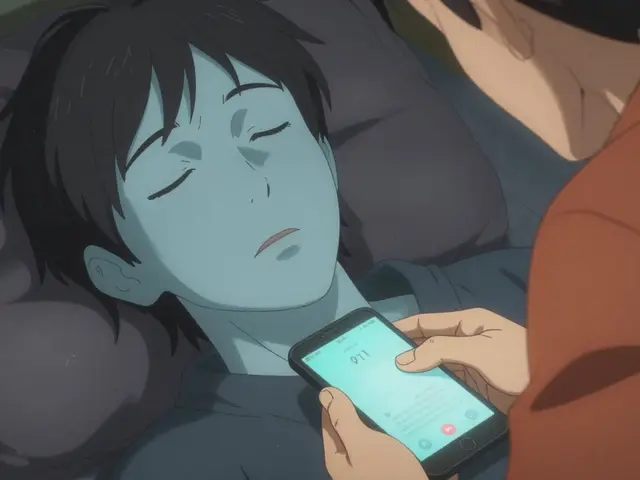
Before administering naloxone, you must confirm it’s an opioid overdose. Look for these signs: slow or no breathing (fewer than 12 breaths per minute or no chest movement for 15 seconds), unresponsiveness to voice or sternum rub (knuckles on chest bone), pinpoint pupils, and blue or pale skin. The CDC states that slow or absent breathing is the most critical symptom-without oxygen, brain damage can occur within minutes.
Remember: naloxone only works for opioids. It won’t help with overdoses from alcohol, benzodiazepines, or other substances. But if you’re unsure, administer it anyway-there’s no harm in using naloxone when opioids aren’t present.
Call emergency services first
Before doing anything else, call 911. The Substance Abuse and Mental Health Services Administration (SAMHSA) emphasizes that emergency medical help is always needed, even if naloxone works. Paramedics can provide further care once the person starts breathing again. Give the operator the location and that someone has overdosed on opioids.
Step-by-step administration
Follow these steps exactly:
- Position the person on their back with head tilted back to open the airway. The Mayo Clinic recommends this to ensure the spray reaches the nasal passages effectively.
- Remove the naloxone nasal spray from its packaging. Do not activate it until ready to use-improper handling can waste the dose.
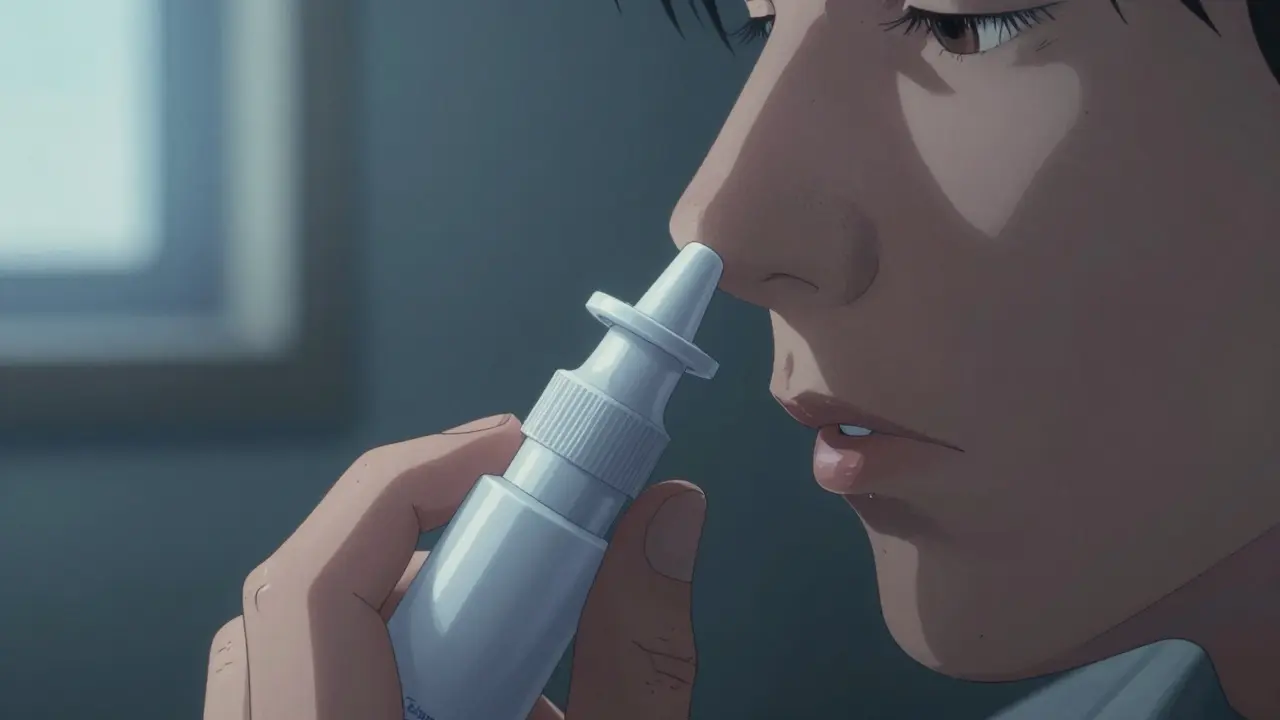
- Gently insert the nozzle into one nostril until your fingers touch the bottom of the nose (about half an inch to one inch deep).
- Press the plunger firmly until it clicks. This delivers the full dose. The Canadian Centre for Occupational Health and Safety found that 18% of first-time users don’t fully depress the plunger, reducing effectiveness.
- Wait 2-3 minutes. Check for normal breathing (12-20 breaths per minute) and responsiveness. If there’s no improvement, administer a second dose in the other nostril using a new spray.
After administering naloxone
Once the person starts breathing:
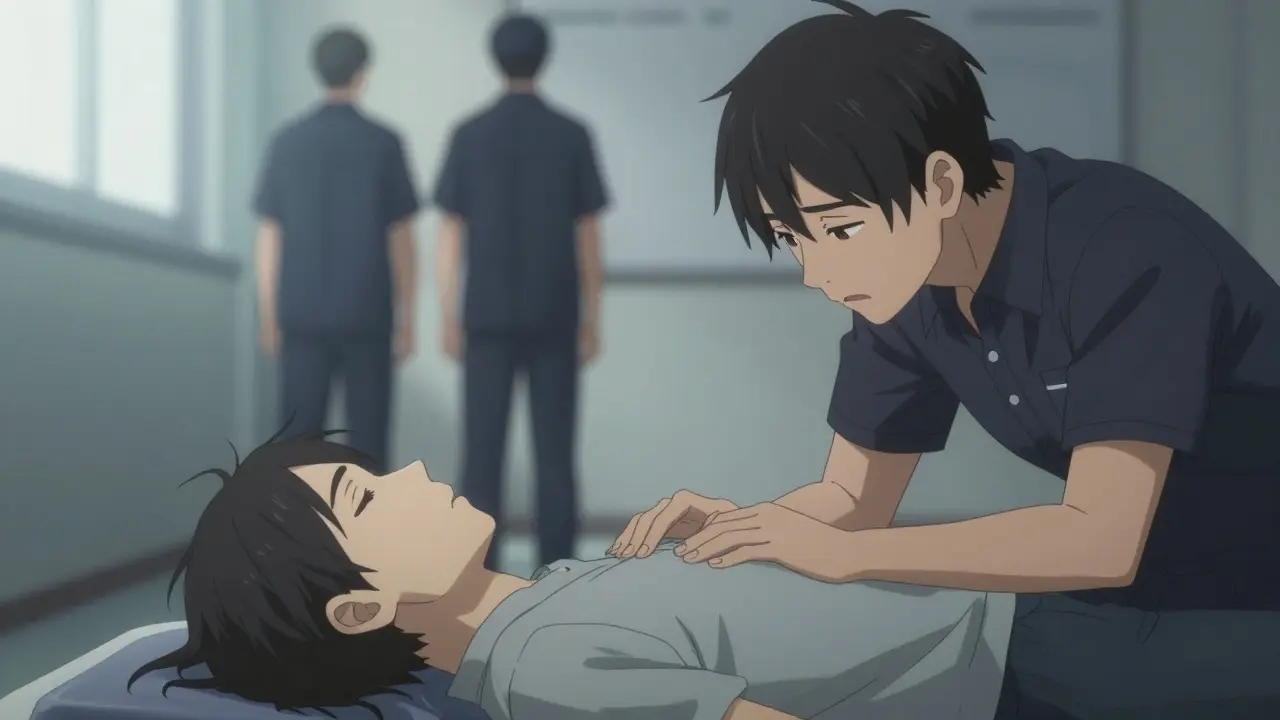
- Place them in the recovery position (on their side) to prevent choking. The American Heart Association recommends this for unconscious individuals.
- Stay with them until paramedics arrive. Monitor for returning overdose symptoms-opioids like fentanyl may outlast naloxone’s effects.
- Do not leave them alone. The CDC reports that 32% of fentanyl-involved overdoses require two or more naloxone doses for reversal.
Common mistakes and how to avoid them
Many reversals fail due to preventable errors:
- Not calling 911 first: Emergency services are always needed. Naloxone is temporary support, not a replacement for medical care.
- Incorrect nozzle insertion: Inserting too shallow or too deep reduces absorption. Practice with a training device to build confidence.
- Partial plunger press: Only 82% of first-time users fully depress the plunger. Listen for the click to confirm full delivery.
- Misidentifying overdose symptoms: The Massachusetts Department of Public Health reports 31% of failed reversals stem from this. Learn the signs: slow breathing, unresponsiveness, blue skin.
Free training is available nationwide through over 12,000 community organizations. The CDC says 92% of people master proper technique after 15 minutes of practice.
Frequently asked questions
Can naloxone be used for non-opioid overdoses?
No. Naloxone only works on opioids like heroin, fentanyl, or prescription painkillers. It has no effect on overdoses from alcohol, benzodiazepines, or other substances. If you’re unsure, administer naloxone anyway-there’s no harm in using it when opioids aren’t present, but it won’t help for other drugs.
How many doses of naloxone might be needed?
It depends on the opioid. For heroin, one dose often suffices. But for fentanyl-which is 50 times stronger than heroin-multiple doses are common. The CDC reports 32% of fentanyl overdoses require two or more doses. Always have extra naloxone on hand.
Does naloxone work on fentanyl?
Yes. Naloxone reverses fentanyl overdoses, but higher or repeated doses may be needed due to fentanyl’s extreme potency. The National Institute on Drug Abuse found 41% of fentanyl overdoses require multiple naloxone doses. Always call 911 immediately after administration.
Is naloxone safe to use if I’m not sure it’s an opioid overdose?
Absolutely. Naloxone has no effect on people without opioids in their system. The FDA explicitly states it’s safe to administer even when opioids aren’t confirmed. Waiting to see if it’s an opioid overdose could be fatal-act fast.
How long does naloxone last in the body?
Naloxone’s effects last 30-90 minutes. Many opioids, especially fentanyl and carfentanil, remain in the system longer. This is why continuous monitoring for at least 4 hours is critical-symptoms can return after naloxone wears off.



Mark Harris February 6, 2026
This is crucial info! I've been trained in naloxone use and it's a lifesaver. But remember-call 911 first every single time. No exceptions. Naloxone is just a temporary fix until help arrives. Practice with a training spray so you're not fumbling during an emergency. Seriously, this could save someone's life.
Sarah B February 7, 2026
Always call 911 first.
Catherine Wybourne February 7, 2026
The real hero here is the person who calls 911 first. Without that step, everything else is just a band-aid. If you're unsure about the overdose, just use naloxone anyway-better safe than sorry. Stigma likely prevents wider adoption, but we need to push past that.
Joey Gianvincenzi February 7, 2026
I must emphasize that the administration of naloxone must be preceded by an immediate call to emergency services. This is non-negotiable. Any deviation from this protocol is reckless and potentially fatal. The guide adequately addresses this, but it bears repeating: never skip the 911 call.
Amit Jain February 8, 2026
Sarah, you're absolutely right about calling 911. But let's be real-most people won't. They're too scared or think they can handle it themselves. I've seen it happen. And naloxone isn't a magic bullet either. Fentanyl is so strong sometimes it takes multiple doses and still doesn't work. So this guide is good but oversimplified. Real talk: the opioid crisis needs systemic solutions, not just individual actions.
Heather Burrows February 9, 2026
Stigma is a factor, but let's not romanticize naloxone. It's a temporary fix for a systemic problem. People need to address the root causes of addiction, not just patch up overdoses. Also, 'better safe than sorry' is a terrible philosophy when it comes to medication. Naloxone has risks too-though minimal-but we shouldn't encourage casual use. This guide is too simplistic.
Ritu Singh February 10, 2026
While systemic change is necessary, we can't ignore the immediate need to save lives. Naloxone is a critical tool that bridges the gap until long-term solutions exist. In India, we've seen community programs where training people to use naloxone has saved countless lives. It's not just about the medication-it's about building a network of people who know what to do. This is why education is so key. Also, the cultural aspect of stigma around addiction really affects how people respond. Maybe we need more stories like Ritu's to show it's possible to make a difference.
Savannah Edwards February 11, 2026
Ritu, your example from India is inspiring. In the US, community outreach has been crucial for naloxone access. I've worked with local groups that distribute free training kits. It's not just about the spray-it's about empowering people to act. And the stigma around addiction is real, but these programs help break it down. Every person trained is a potential lifesaver. We need more of this. For example, in my town, a nonprofit trained over 200 people last year. They've already reversed three overdoses. It's amazing how simple the process is once you know it. The training takes about 15 minutes, and the CDC says 92% of people master it. But more importantly, it's about community. When people know they can help, they do. It's not just about saving one life-it's about creating a culture where everyone is prepared. We need to normalize carrying naloxone and training others. This guide is a great resource, but we need to take it further. Education is the key to beating the opioid crisis, one life at a time. Also, naloxone is safe to use even if it's not an opioid overdose. The FDA says it's harmless in those cases. So if you're unsure, always administer it. It's better to be safe. And the fact that it's OTC now means anyone can get it. We need to spread the word so everyone knows how to use it.
AMIT JINDAL February 12, 2026
Savannah, your analysis is... quaint. The real issue is that naloxone is only a Band-Aid on a gaping wound. We need to address the pharmaceutical industry's role in the opioid crisis. Big Pharma pushed these drugs, and now we're just patching the symptoms. Also, 'community programs' in India? That's a different context altogether. We need structural change, not just individual training. Honestly, this guide is missing the bigger picture.
Niel Amstrong Stein February 13, 2026
AMIT, you're right about the systemic issues, but let's not forget that while we're working on big changes, we need to save lives now. Naloxone is part of the solution. It's not just a Band-Aid-it's a life-saving tool that buys time for medical intervention. And yeah, the pharmaceutical industry is part of the problem, but that doesn't mean we should ignore the immediate need for naloxone. Balance is key. Also, 'quaint' is a bit harsh, but I get where you're coming from. Chill out, man.
Paula Sa February 13, 2026
I think both sides have valid points. Systemic change is necessary, but we can't wait for it to save lives today. Naloxone is a critical tool that works. It's not a perfect solution, but it's the best we have right now. And the more people who know how to use it, the better. Let's focus on getting naloxone out there and training people while we work on bigger changes. Collaboration is key-both in saving lives now and fixing the system later.
Tola Adedipe February 14, 2026
Paula, you're spot on. We need to do both-save lives now and push for systemic change. But let's not sugarcoat it: naloxone is a game-changer. It's not just a tool; it's a lifeline. And the fact that it's OTC now means more people can access it. We need to make sure everyone knows how to use it. This guide is a great start, but we need more education. No excuses. Let's get it done.
Ariel Edmisten February 16, 2026
This is exactly right. Naloxone saves lives. Simple. Call 911. Use naloxone. Stay until help arrives. Training is key. Let's spread this knowledge. Everyone can do this.
Mary Carroll Allen February 17, 2026
Ariel, you're so right. But I have to add: practice with a training device. I did, and it made all the difference. Also, the 'no questions asked' part is crucial-people panic and forget. Just do it. And yeah, the CDC stats say 92% master it after 15 mins. So go train!
Also, typo: 'no questions asked' should be 'no questions asked' but I'm tired and my fingers are slipin. Sorry!