Antifungal Cream: What Works, What to Avoid, and How to Use It Right
When your skin itches, flakes, or turns red in a circular pattern, it’s often not just dryness—it’s a antifungal cream, a topical treatment designed to kill or stop the growth of fungi on the skin. Also known as topical antifungals, these creams are the first line of defense against common infections like athlete’s foot, jock itch, and yeast rashes. Unlike antibiotics that target bacteria, antifungal creams work on fungi—microbes that thrive in warm, moist areas like between your toes, under your breasts, or in the groin. They come in different strengths and active ingredients, and not all of them work the same way.
Common types include clotrimazole, miconazole, terbinafine, and ketoconazole. Each has its own use case. For example, terbinafine is often more effective for athlete’s foot, while clotrimazole is a go-to for vaginal yeast infections. Some creams are available over the counter, others need a prescription. What matters most isn’t the brand—it’s matching the right active ingredient to the type of fungus you’re dealing with. Using the wrong one can waste time and make things worse. And don’t assume that if one cream didn’t work, they all won’t. Fungi can be stubborn, and resistance isn’t rare.
People often stop using antifungal cream too soon. Even if the redness fades in a few days, the fungus might still be hiding under the skin. Most treatments need at least two weeks, sometimes longer. Skipping doses or quitting early is the #1 reason these infections come back. Also, avoid using steroid creams—like hydrocortisone—on fungal rashes unless your doctor says so. Steroids can hide symptoms while letting the fungus spread deeper, turning a simple rash into a hard-to-treat mess.
Antifungal creams aren’t just for adults. Kids get diaper rash yeast infections, athletes get foot fungus, and older adults with diabetes are at higher risk because of poor circulation and higher skin moisture. These infections don’t care about age or hygiene—they care about warmth and dampness. That’s why keeping skin dry, changing socks daily, and not sharing towels aren’t just good advice—they’re part of the treatment plan.
Some people try home remedies like tea tree oil or vinegar soaks. While a few studies show mild benefit, they’re not reliable. If your rash hasn’t improved in a week, it’s not a matter of patience—it’s a matter of getting the right treatment. The same goes for using leftover cream from a previous infection. Fungi change, and what worked last time might not work now.
Below, you’ll find real-world advice from people who’ve been there—how to tell if it’s fungal or something else, what to do when the cream doesn’t work, and which over-the-counter options actually deliver. No fluff. Just what helps, what doesn’t, and how to avoid the most common mistakes.
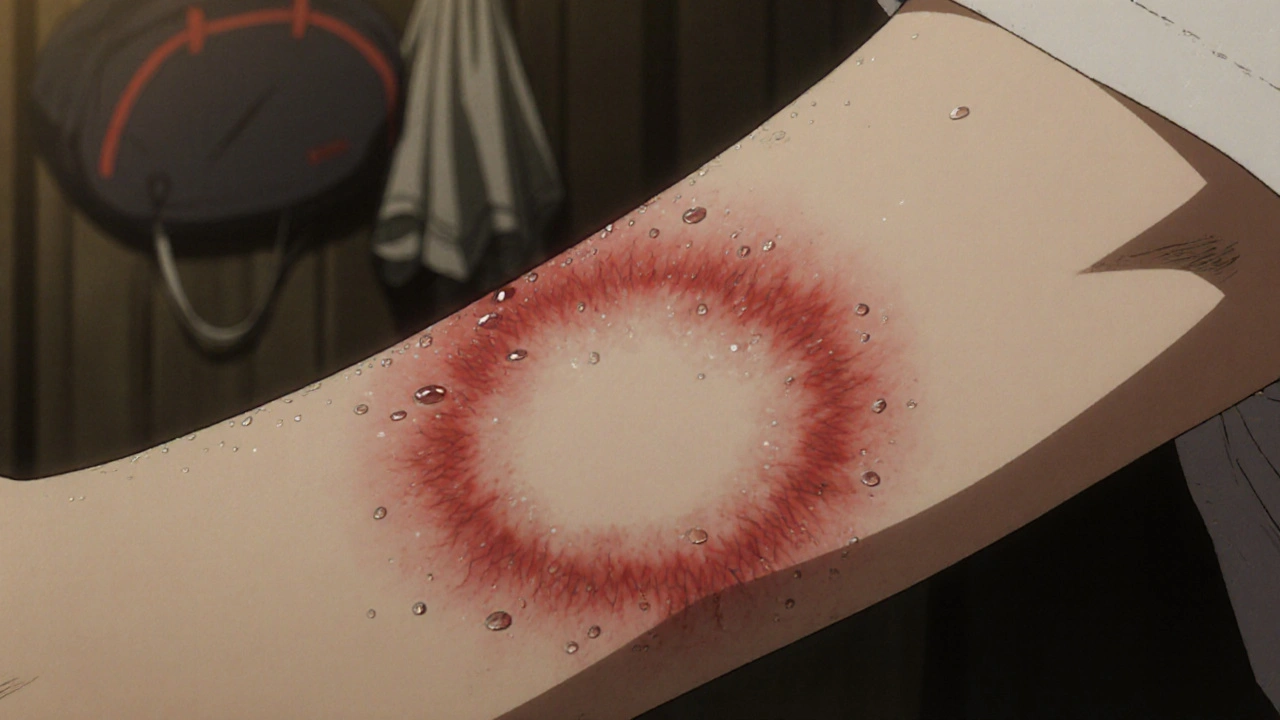
Ringworm and Tinea: How to Recognize and Treat Fungal Skin Infections with Antifungal Creams
Ringworm, or tinea, is a common fungal skin infection that causes itchy, ring-shaped rashes. Learn how to identify different types, use antifungal creams effectively, and prevent recurrence with proven methods.