DOACs for Elderly: What You Need to Know About Safety, Side Effects, and Alternatives
When doctors prescribe DOACs, Direct Oral Anticoagulants are a class of blood thinners used to prevent strokes and clots in older adults with atrial fibrillation or deep vein thrombosis. Also known as novel oral anticoagulants, they’ve become the go-to choice for many seniors because they don’t need regular blood tests like warfarin. But for older patients, especially those over 75, these drugs come with real risks that aren’t always talked about.
One big concern is bleeding risk, the chance of dangerous internal bleeding, which rises sharply with age, kidney problems, or interactions with other meds. Seniors often take multiple drugs — aspirin, NSAIDs, antidepressants — and even small interactions can turn a minor bruise into a life-threatening bleed. Kidney function drops naturally with age, and since most DOACs are cleared by the kidneys, a small decline can cause the drug to build up to unsafe levels. That’s why doctors check creatinine levels before starting and every year after. It’s not just about taking the pill — it’s about knowing your body’s ability to process it.
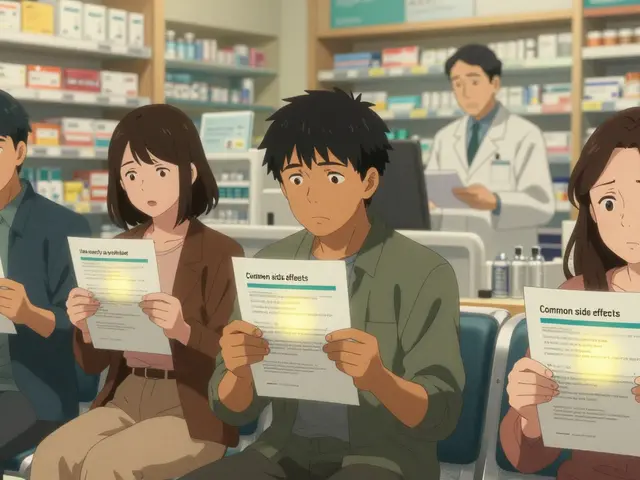
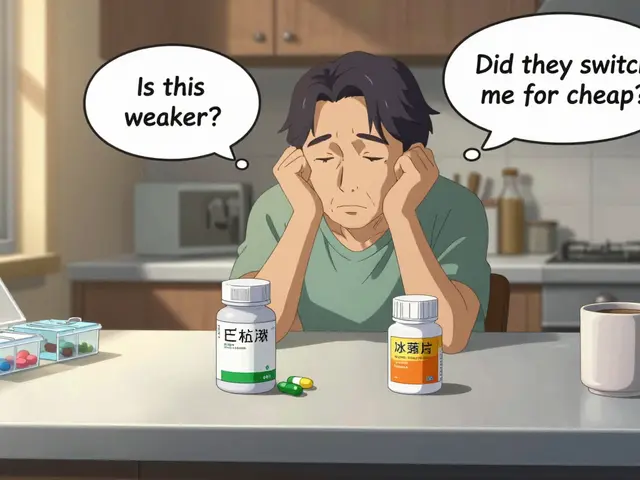
Another hidden issue is adherence, how consistently seniors take their medication. Many older adults forget doses, mix up pills, or skip them because they feel fine. But skipping even one dose of a DOAC can raise stroke risk fast. That’s why tools like smart pill dispensers and daily reminders matter more than ever. And when side effects like dizziness, fatigue, or stomach upset show up, seniors often don’t report them — thinking it’s just part of aging. But these could be early signs of something serious.
Not every senior needs a DOAC. For some, warfarin still makes sense — especially if they have mechanical heart valves, severe kidney disease, or a history of GI bleeding. And for those with mild atrial fibrillation and low stroke risk, skipping anticoagulants altogether might be safer. The decision isn’t just about the drug — it’s about the person’s overall health, fall risk, living situation, and support system.
Below, you’ll find real-world guides on tracking medication changes, spotting dangerous interactions, managing side effects, and comparing alternatives. These aren’t theory pieces — they’re written by people who’ve seen what happens when these drugs are used without full awareness of the risks. Whether you’re a senior, a caregiver, or a family member helping someone manage their meds, this collection gives you the facts you need to ask the right questions — and avoid the pitfalls that too many older adults face.

Anticoagulants for Seniors: When Stroke Prevention Outweighs Fall Risk
Anticoagulants for seniors with atrial fibrillation prevent strokes far more effectively than they increase bleeding risk from falls. Learn why stopping blood thinners after a fall is often dangerous-and what to do instead.