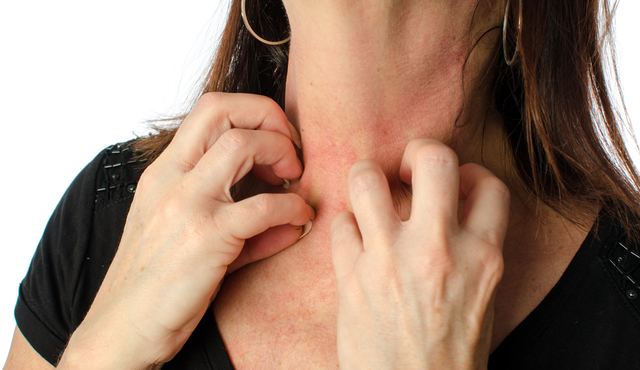
Tinea: Understanding Fungal Skin Infections and How to Treat Them
When your skin itches, flakes, or forms a red, circular rash, it might be tinea, a group of fungal skin infections caused by dermatophytes that thrive on keratin in skin, hair, and nails. Also known as ringworm, it’s not caused by worms—it’s a fungus that spreads easily through contact with infected people, towels, or gym floors. Tinea isn’t rare. Nearly 20% of people will get it at some point, and it shows up in different forms depending on where it lands: feet (athlete’s foot), groin (jock itch), scalp (tinea capitis), or body (tinea corporis).
What makes tinea tricky is how easily it hides. You might think it’s just dry skin or an allergic reaction until it spreads or won’t go away with regular creams. It thrives in warm, damp places—so sweaty socks, tight underwear, or sharing a shower after a workout can all be risk factors. Kids are especially prone to scalp tinea, while adults more often get it between the toes or in the groin. The good news? Most cases respond quickly to over-the-counter antifungals like clotrimazole or terbinafine. But if it doesn’t clear up in two weeks, or if it’s on your scalp or nails, you’ll need a prescription. That’s because nail and scalp infections need oral meds—they don’t absorb through the skin the way creams do.
Tinea is also connected to other health issues. People with diabetes or weakened immune systems are more likely to get stubborn infections. And if you’ve ever used a steroid cream to calm a rash, only to make it worse, that’s a classic sign of tinea being mistaken for eczema. Steroids can make fungal infections spread like wildfire. That’s why knowing the difference matters. Look for raised edges, scaling, and clear centers—that’s the classic ringworm pattern. Itching usually gets worse when you sweat or heat up.
Prevention is simple but often ignored. Dry your feet thoroughly after swimming or showering. Don’t share shoes or towels. Wear flip-flops in locker rooms. Wash workout clothes after every use. These aren’t just suggestions—they’re what actually stops tinea from coming back. And if you’ve had it before, you’re more likely to get it again. That’s why knowing the early signs and acting fast is your best defense.
Below, you’ll find real, practical advice from people who’ve dealt with tinea—whether it’s choosing the right antifungal, avoiding misdiagnosis, or dealing with stubborn cases that won’t quit. No fluff. Just what works.
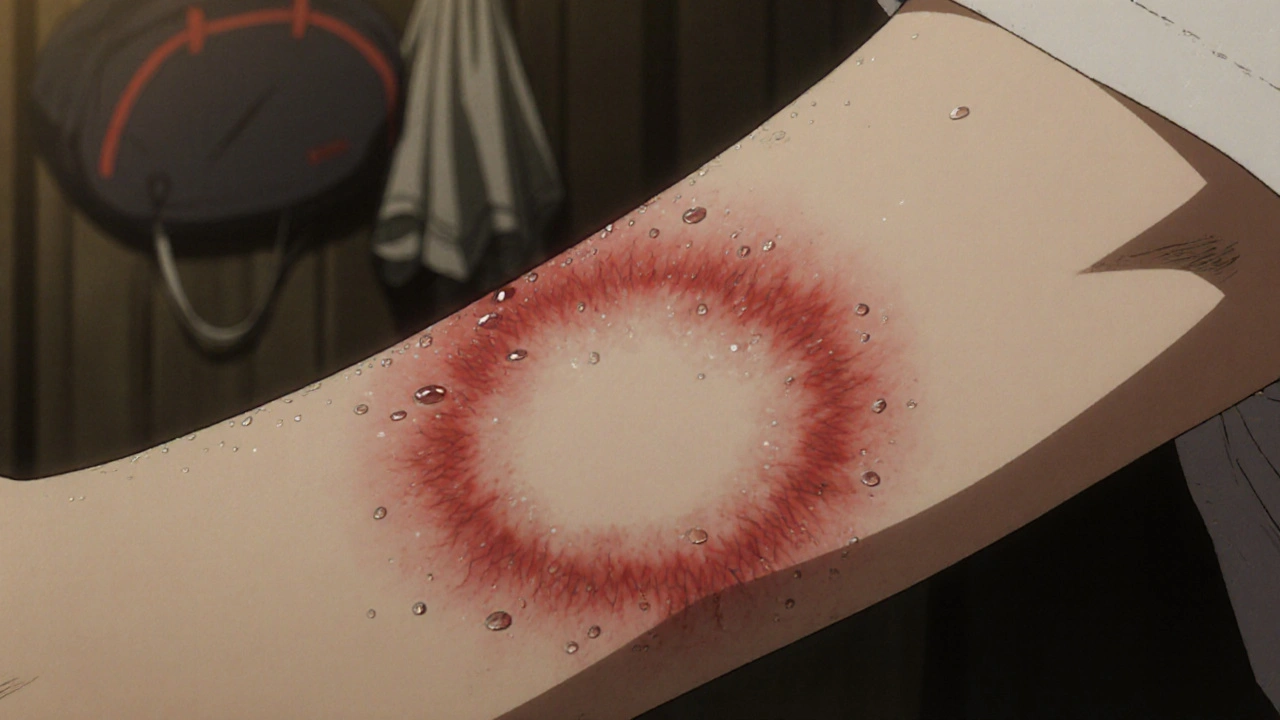
Ringworm and Tinea: How to Recognize and Treat Fungal Skin Infections with Antifungal Creams
Ringworm, or tinea, is a common fungal skin infection that causes itchy, ring-shaped rashes. Learn how to identify different types, use antifungal creams effectively, and prevent recurrence with proven methods.