
High blood pressure is often called the "silent killer" because it rarely shows symptoms until damage has already been done to your heart or kidneys. For millions of people, lifestyle changes alone aren't enough to bring those numbers down. That’s where blood pressure medications come in. They are not just about lowering a number on a monitor; they are about preventing strokes, heart attacks, and kidney failure. But with so many different types available-ACE inhibitors, beta-blockers, diuretics, and more-it can feel overwhelming to figure out which one is right for you.
You don’t need to be a doctor to understand how these drugs work. Knowing the basics helps you have better conversations with your healthcare provider and stick to your treatment plan. Let’s break down the main classes of antihypertensive drugs, how they affect your body, and what side effects you might actually experience.
How Blood Pressure Medications Work
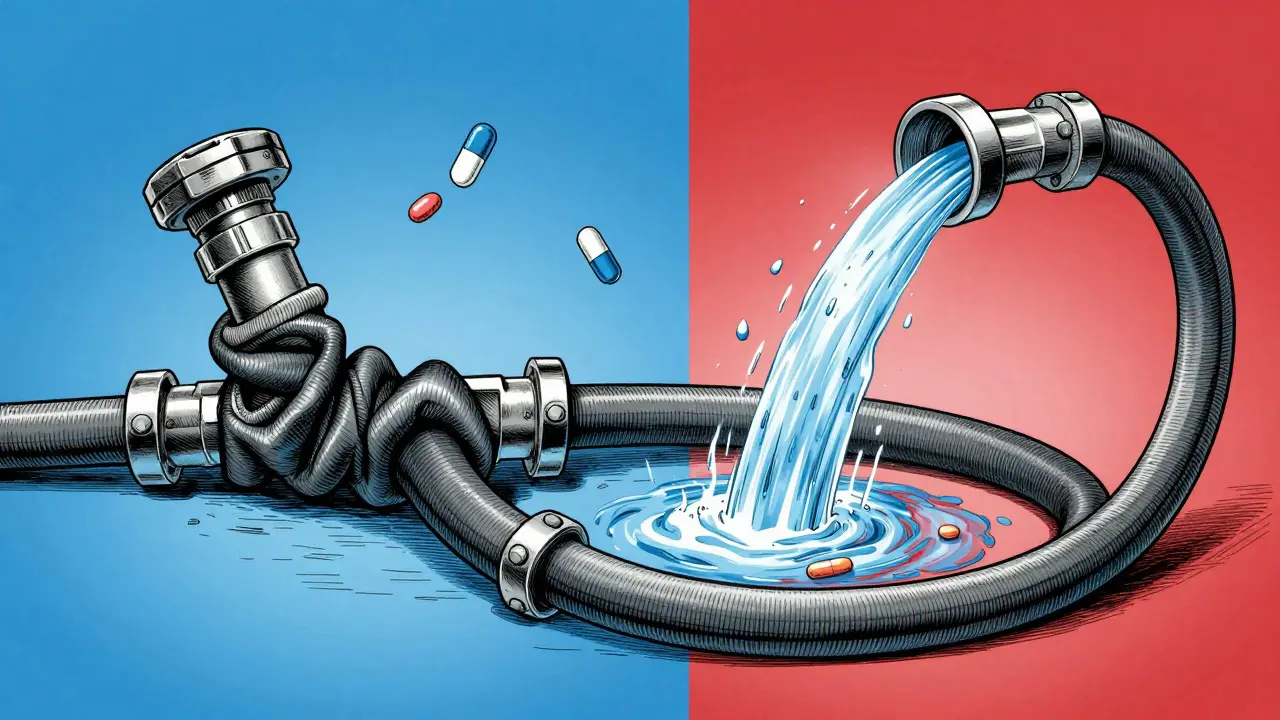
To understand why there are so many different pills, you first need to understand what raises blood pressure. Think of your blood vessels as garden hoses. If the hose is narrow, clogged, or if the pump (your heart) is beating too hard or too fast, the pressure inside goes up. Different medications tackle this problem from different angles.
Some drugs relax the walls of your arteries so they widen (vasodilation). Others reduce the amount of fluid in your system by making you pee more. Some slow down your heart rate so it doesn’t pump as forcefully. Because every person’s body reacts differently, doctors often start with one class and switch or combine them if the target isn’t met. The goal is usually to keep systolic pressure below 130 mmHg, though this target can vary based on your age and other health conditions.
ACE Inhibitors: The Cough Catchers
If your medication name ends in "-pril," you are likely taking an ACE inhibitor. These are among the most prescribed blood pressure drugs globally. They work by stopping an enzyme called angiotensin-converting enzyme from doing its job. This prevents the formation of angiotensin II, which normally tells your blood vessels to tighten up. Without that signal, your vessels stay relaxed and open, allowing blood to flow more easily.
ACE inhibitors are particularly good for people who also have diabetes or chronic kidney disease because they help protect the kidneys from further damage. However, they come with a well-known downside: a dry, persistent cough. About 15% to 20% of patients develop this cough, which can be annoying enough to make them stop taking the drug. If this happens to you, don’t just quit-talk to your doctor. They will likely switch you to an ARB (see below), which works similarly but without the cough risk.
ARBs: The ACE Alternative
Angiotensin II Receptor Blockers (ARBs) are the close cousins of ACE inhibitors. You can spot them because their names end in "-sartan," such as losartan, valsartan, and olmesartan. Instead of blocking the creation of angiotensin II, ARBs block the receptors that angiotensin II tries to attach to. It’s like putting a cap on a keyhole so the key (angiotensin II) can’t turn the lock (vessel tightening).
Because they bypass the enzyme step, ARBs rarely cause that dry cough. They are often prescribed when ACE inhibitors fail due to side effects. Studies show they are just as effective at lowering blood pressure and protecting the heart and kidneys. If you are sensitive to ACE inhibitors, ask your doctor if an ARB is a suitable alternative for you.
Beta Blockers: Slowing the Heart
Beta-blockers used to be the go-to first-line treatment for high blood pressure, but guidelines have shifted. Today, they are typically reserved for patients who also have specific heart conditions, such as a history of heart attack, heart failure, or irregular heartbeats (arrhythmias). Their names usually end in "-olol."
These drugs block the effects of adrenaline on your heart. Adrenaline makes your heart beat faster and harder. By blocking it, beta-blockers lower your heart rate and the force of each beat, which reduces the workload on your heart and lowers blood pressure. While effective for heart protection, they aren’t always the best choice for simple hypertension because they don’t prevent stroke as well as other classes do. Side effects can include fatigue, cold hands and feet, and sometimes sexual dysfunction. If you have asthma, use caution, as some beta-blockers can trigger breathing issues.
Calcium Channel Blockers: Relaxing the Vessels
Calcium channel blockers (CCBs) are another major category. They prevent calcium from entering the muscle cells of your heart and arteries. Calcium is needed for muscles to contract, so less calcium means more relaxation. This widens your arteries and improves blood flow.
There are two types: dihydropyridines (like amlodipine and nifedipine) and non-dihydropyridines (like diltiazem and verapamil). Amlodipine is extremely common and generally very well tolerated. The most frequent complaint with CCBs is swelling in the ankles or feet (edema). This happens because the small blood vessels near your skin expand, allowing fluid to leak into the surrounding tissue. It’s harmless but can be uncomfortable. Another thing to watch out for: grapefruit juice. It can interfere with how your body breaks down certain CCBs, leading to higher drug levels in your blood. Stick to orange juice if you’re on amlodipine.
Diuretics: The Water Pills
Diuretics, often called water pills, help your kidneys remove sodium and water from your body. Less fluid in your bloodstream means lower pressure on your artery walls. Thiazide diuretics, such as hydrochlorothiazide (HCTZ) and chlorthalidone, are frequently used as first-line treatments.
Chlorthalidone is gaining favor among cardiologists because it lasts longer in the body (24-hour coverage) compared to HCTZ. Diuretics are cheap and effective, but they can mess with your electrolyte balance. You might lose too much potassium or sodium, which can lead to muscle cramps, weakness, or dizziness. Your doctor will likely order blood tests periodically to check these levels. Also, expect to urinate more frequently, especially when you first start taking them.

Combination Therapy: Two Are Better Than One
It is very common for patients to need more than one medication to reach their blood pressure goal. In fact, nearly half of hypertensive patients in the US take two or more drugs. Doctors often prescribe fixed-dose combinations, which pack two different medications into a single pill. Examples include Benicar HCT (olmesartan + hydrochlorothiazide) or Exforge (amlodipine + valsartan).
Why combine them? Different drugs work through different mechanisms. Using two together often lowers blood pressure more effectively than doubling the dose of just one. Plus, taking one pill instead of two makes it easier to remember your dose, which improves adherence. If you find yourself struggling with side effects from one drug, a combination of lower doses of two different drugs might be gentler on your body.
| Drug Class | Common Suffix | Primary Mechanism | Key Side Effects | Best For |
|---|---|---|---|---|
| ACE Inhibitors | -pril | Blocks angiotensin II production | Dry cough, dizziness | Diabetes, Kidney Disease |
| ARBs | -sartan | Blocks angiotensin II receptors | Dizziness, fatigue | ACE Intolerant Patients |
| Beta Blockers | -olol | Slows heart rate | Fatigue, cold extremities | Post-Heart Attack, Heart Failure |
| Calcium Channel Blockers | -dipine / -zem | Relaxes artery muscles | Ankle swelling, headache | Elderly, Isolated Systolic HTN |
| Thiazide Diuretics | -thiazide / -one | Removes salt/water | Frequent urination, cramps | General Hypertension |
Side Effects and What to Watch For
No medication is perfect, and everyone reacts differently. Here is what real users report most often:
- Dizziness: Common with almost all BP meds, especially when standing up quickly. Move slowly to give your body time to adjust.
- Dry Cough: Specific to ACE inhibitors. If it bothers you, ask for an ARB.
- Ankle Swelling: Common with amlodipine. Elevating your legs or switching to a different CCB might help.
- Fatigue: Often linked to beta-blockers. If you feel exhausted, your doctor might adjust the dose or switch you to a vasodilatory beta-blocker like carvedilol.
- Electrolyte Imbalance: Diuretics can lower potassium. Eat potassium-rich foods like bananas or spinach, but check with your doctor first.
Don’t ignore side effects, but don’t panic either. Many are temporary as your body adjusts. Keep a log of any symptoms and share it with your doctor at your next visit.
Tips for Taking Blood Pressure Medication
Consistency is key. Take your medication at the same time every day. Whether morning or night depends on your routine and your doctor’s advice. Some studies suggest taking BP meds at night might offer slightly better cardiovascular protection, but the most important thing is that you actually take them.
Monitor your blood pressure at home. Home monitors are inexpensive and give you a clearer picture of your daily trends than occasional office visits. Bring your log to your appointments. Avoid skipping doses even if you feel fine. High blood pressure has no symptoms, so feeling good doesn’t mean your pressure is normal.
Watch for interactions. Grapefruit juice affects CCBs. NSAIDs like ibuprofen can raise blood pressure and reduce the effectiveness of diuretics and ACE inhibitors. Always tell your pharmacist about all supplements and over-the-counter drugs you take.
What is the difference between an ACE inhibitor and an ARB?
Both lower blood pressure by targeting the renin-angiotensin system, but they work differently. ACE inhibitors block the enzyme that creates angiotensin II, while ARBs block the receptor that angiotensin II attaches to. ARBs are less likely to cause a dry cough, making them a popular alternative for patients who can’t tolerate ACE inhibitors.
Can I stop taking my blood pressure medication once my numbers are normal?
Generally, no. Normal readings are a sign that the medication is working, not that you are cured. Stopping abruptly can cause a dangerous spike in blood pressure. Only stop or change dosage under direct supervision from your doctor.
Which blood pressure medication is best for kidney disease?
ACE inhibitors and ARBs are typically preferred for patients with chronic kidney disease, especially if protein is present in the urine. They help reduce pressure within the kidney's filtering units, slowing the progression of kidney damage.
Do beta-blockers cause weight gain?
Some patients report mild weight gain on beta-blockers, possibly due to reduced metabolic rate or fatigue leading to less activity. If weight gain is a concern, discuss alternatives with your doctor, such as CCBs or diuretics.
Is it safe to drink alcohol while on blood pressure medication?
Moderate alcohol consumption is usually okay, but heavy drinking can raise blood pressure and counteract the medication's effects. Alcohol can also increase dizziness when combined with certain BP drugs. Check with your doctor for personalized limits.