Acetyl-L-Carnitine: What You Need to Know
If you've heard about acetyl-L-carnitine (often called ALCAR), you might wonder what makes it so popular. This natural compound plays a part in helping our bodies produce energy, especially in brain cells and muscles. People take it as a supplement aiming to boost brain function, fight fatigue, or support healthy aging. But how does it really work, and is it right for you? Let’s break it down.
What Is Acetyl-L-Carnitine and How Does It Work?
At its core, acetyl-L-carnitine is an amino acid derivative. Its main job is to transport fatty acids into the mitochondria – think of these tiny power plants inside your cells. By moving fat to these energy hubs, your body can convert it into fuel. What’s cool about ALCAR is that it crosses the blood-brain barrier, meaning it can directly fuel your brain cells and potentially improve how well they work. That’s why it’s often linked to clearer thinking and better memory.
People commonly use acetyl-L-carnitine for several reasons: to battle mental fatigue, lift mood, and aid in nerve pain. It’s also studied for helping with age-related cognitive decline and certain neurological conditions. While more research is still needed, many users report feeling sharper and more focused after regular use.
How to Use Acetyl-L-Carnitine Safely
If you’re thinking about trying acetyl-L-carnitine, it’s good to start with a clear idea of dosage and safety. Most supplements come in doses ranging from 500 mg to 2,000 mg per day. It’s best to begin with the lower end to see how your body reacts. Some folks notice mild side effects like nausea or restlessness, but these usually go away once your body adjusts.
One important tip? Pair ALCAR with healthy habits like balanced eating and exercise for better results. And if you’re taking medications or have health conditions, chat with your doctor before starting. That way, you avoid any unwanted interactions or risks.
In short, acetyl-L-carnitine packs a potential punch for energy and brain support. It’s not magic, but with smart use, many find it a helpful tool to add to their wellness routine. Curious to see if it’s a fit for you? Keep reading, stay informed, and listen to your body along the way.
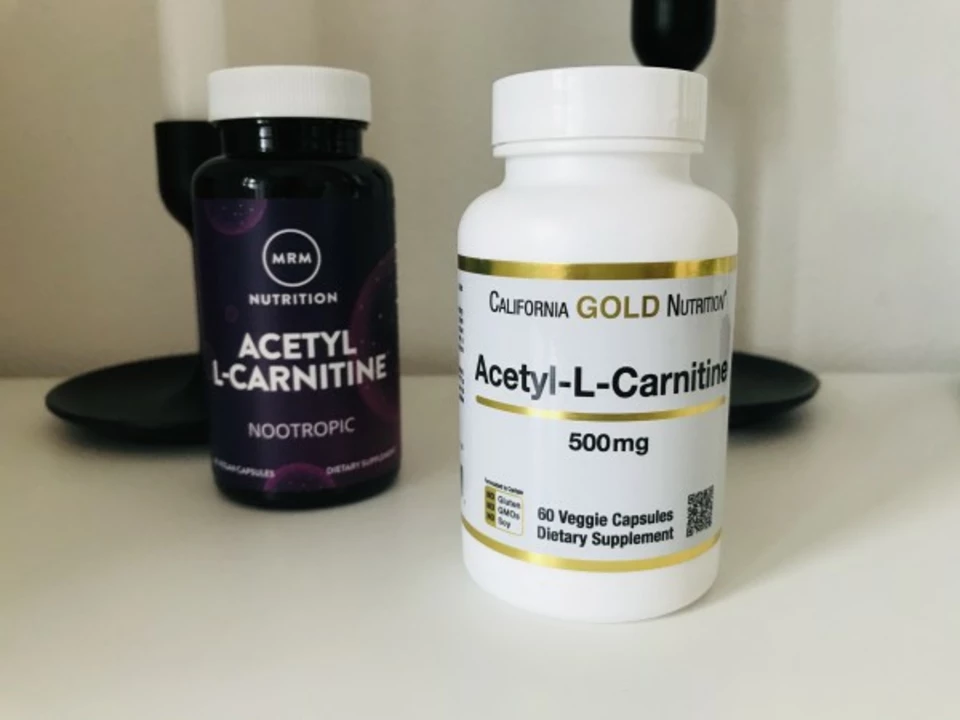
The Role of Acetyl-L-Carnitine in Male Fertility and Reproductive Health
As a blogger, I've recently dived into the topic of male fertility and discovered the significant role of Acetyl-L-Carnitine (ALC) in reproductive health. ALC is an important amino acid that aids in sperm production and overall sperm health. Research has shown that increased ALC levels can improve sperm motility, which is crucial for fertilization. Additionally, it protects sperm cells from oxidative stress, thus enhancing their overall function. In summary, incorporating Acetyl-L-Carnitine into one's diet can have a positive impact on male fertility and reproductive health.