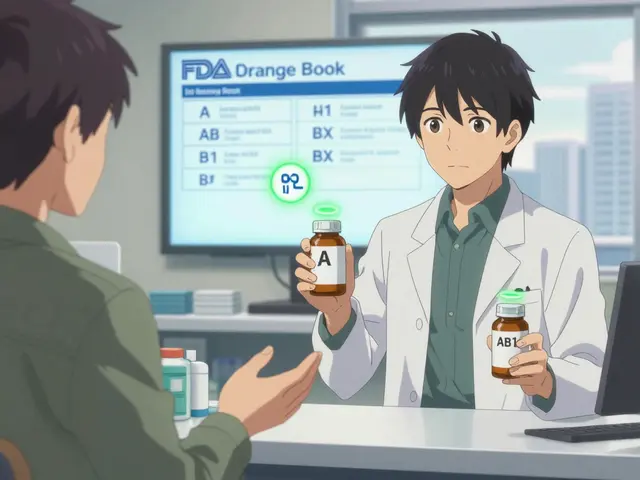
Brand vs Generic: What Really Matters When Choosing Medications
When you pick up a prescription, you might see two options: the brand name drug, a medication developed and marketed by the original pharmaceutical company under a patent. Also known as originator drug, it often costs more because of research, marketing, and patent protection. Or you’ll see the generic medication, a version made after the patent expires, using the same active ingredient at the same dose and strength. Also known as non-brand drug, it’s required by the FDA to work the same way in your body. The big question isn’t whether they’re the same — they are — it’s whether you should care which one you get.
Here’s the truth: for most people, generics work just as well. The FDA doesn’t allow a generic to hit the market unless it matches the brand in active ingredient, dosage, how fast it’s absorbed, and how it behaves in your body. That means your brand vs generic choice isn’t about effectiveness — it’s about cost, access, and sometimes personal experience. Some people report feeling different on a generic, but that’s rarely because the drug doesn’t work. More often, it’s because of inactive ingredients — fillers, dyes, or coatings — that might cause mild reactions in sensitive people. If you’ve had a bad reaction before, talk to your pharmacist. They can check if the generic you’re getting uses the same filler as the brand.
And here’s where things get practical: authorized generics, the exact same drug as the brand, just sold under a different label by the brand company itself are often cheaper than the original but identical in every way. Then there’s first-to-file generics, the first company to challenge a patent and get approval, often offering the lowest price for a few months before others enter. These aren’t just buzzwords — they’re real ways to save hundreds a year. In fact, studies show that switching from brand to generic can cut drug costs by 80% or more without affecting outcomes. That’s why digital tools are now being used to track adherence to generics — because saving money only helps if you actually take the medicine.
But not all generics are created equal. Some patients with chronic conditions — like epilepsy, thyroid disease, or heart rhythm disorders — need extra consistency. That’s why doctors sometimes stick with brand names in those cases, not because generics don’t work, but because tiny variations in absorption can matter more when your condition is finely balanced. If you’re in that group, your doctor will tell you. For the rest of us? Generics are the smart, safe, and standard choice.
What you’ll find below isn’t just a list of articles — it’s a practical guide to navigating this exact choice. From how manufacturer savings programs for brand drugs really work, to why authorized generics can drop prices faster than you think, to how digital tools help people stick with generics long-term — every post here cuts through the noise. You’ll see real comparisons between drugs like lisinopril, propranolol, and azithromycin in both brand and generic forms. You’ll learn when switching is safe, when it’s not, and how to ask the right questions at the pharmacy. This isn’t theory. It’s what people are actually using to save money and stay healthy.

How to Track Medication Effectiveness After a Generic Switch
Learn how to track if your generic medication is working after a switch. Key signs to watch for, when to test labs, what to tell your doctor, and which drugs carry the highest risk.