Fungal Skin Infection: Causes, Treatments, and What Really Works
When your skin itches, flakes, or turns red in a circular pattern, it’s not always an allergy or eczema—it could be a fungal skin infection, a common condition caused by microscopic fungi that thrive on warm, moist skin. Also known as tinea, it includes types like athlete’s foot, ringworm, and yeast infections, and affects millions in the U.S. every year. Unlike bacterial infections, these don’t respond to antibiotics. They spread easily in locker rooms, gyms, and even through shared towels or shoes.
Most people think fungal skin infections are just a nuisance, but they can get worse if ignored. Athlete’s foot, a fungal infection between the toes often leads to cracks that let bacteria in, causing secondary infections. Ringworm, despite its name, isn’t caused by worms—it’s a fungal rash that looks like a red, scaly circle, and can show up on the scalp, groin, or nails. Yeast infections, often caused by Candida overgrowth, show up as red, itchy patches in skin folds, especially under the breasts, in the groin, or in babies’ diaper areas. These aren’t just cosmetic—they hurt, burn, and can linger for months if treated wrong.
What makes these infections tricky is how often they’re misdiagnosed. A rash that looks like eczema might be ringworm. A persistent itch between the toes? Could be athlete’s foot, not dry skin. Over-the-counter hydrocortisone creams can make fungal infections worse by suppressing the immune response without killing the fungus. The right treatment starts with identifying the type: topical antifungals like clotrimazole or terbinafine for mild cases, oral meds like fluconazole for stubborn ones. Prevention matters too—keeping skin dry, changing socks daily, avoiding barefoot walking in public showers, and not sharing personal items.
You’ll find real-world advice here on what works, what doesn’t, and how to avoid the traps most people fall into. Whether you’re dealing with a stubborn rash, wondering if your foot fungus is spreading, or just tired of guessing what’s causing the itch, the posts below give you clear, no-fluff answers based on actual patient experiences and clinical guidance.
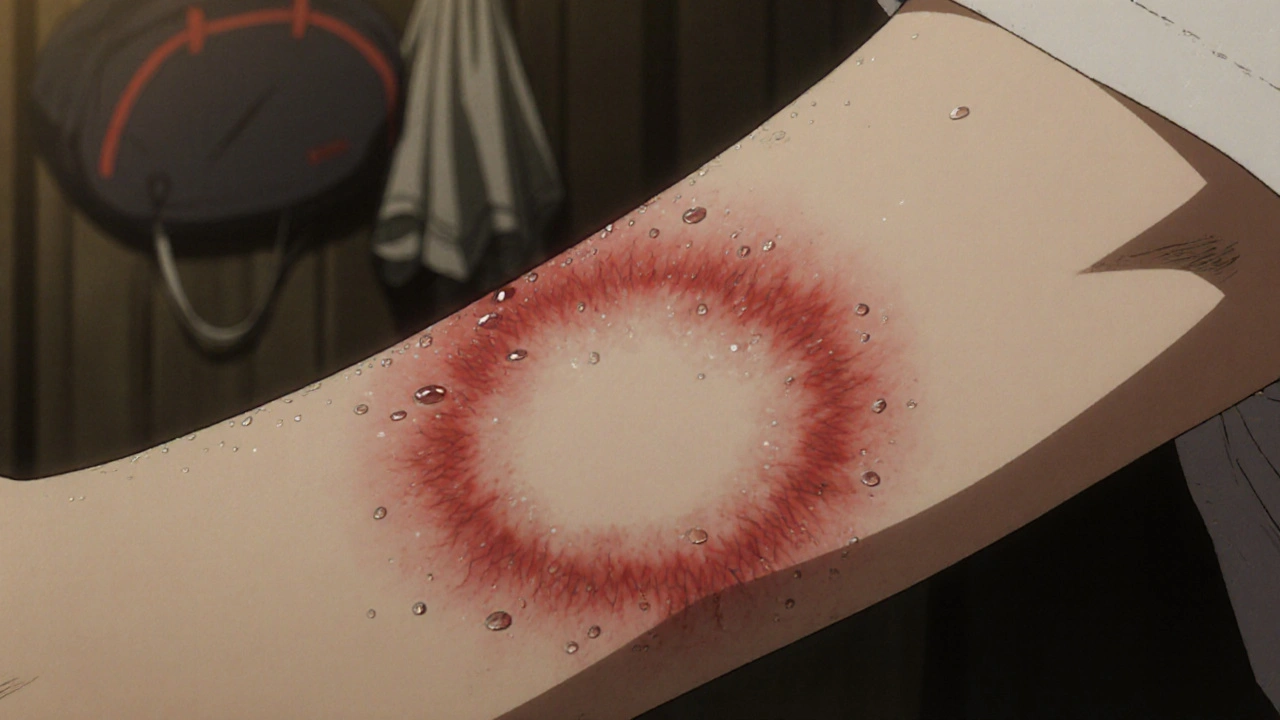
Ringworm and Tinea: How to Recognize and Treat Fungal Skin Infections with Antifungal Creams
Ringworm, or tinea, is a common fungal skin infection that causes itchy, ring-shaped rashes. Learn how to identify different types, use antifungal creams effectively, and prevent recurrence with proven methods.