Panic Attacks: What They Are, How They Happen, and What Actually Helps
When your heart races out of nowhere, your chest tightens, and you feel like you’re dying—even though nothing’s wrong—you’re likely having a panic attack, a sudden surge of intense fear or discomfort that peaks within minutes and often includes physical symptoms like sweating, trembling, or dizziness. Also known as acute anxiety episodes, these aren’t just "nerves"—they’re your body’s alarm system firing when there’s no real danger. Many people mistake them for heart attacks, and that fear alone can make the episode worse.
Anxiety, a persistent feeling of worry or unease that can build over time often sets the stage for panic attacks. While anxiety lingers, panic attacks hit fast and hard. They’re not random. Triggers like stress, caffeine, sleep loss, or even certain medications can turn up the volume on your nervous system. And if you’ve had one before, the fear of having another can become its own trigger—a cycle that’s hard to break without the right tools.
Some people turn to beta blockers, medications originally designed for high blood pressure that can reduce the physical symptoms of panic, like rapid heartbeat and shaking. They don’t stop the panic thought, but they can calm the body’s reaction, making it easier to regain control. Others find relief through breathing techniques—slowing down your breath tells your brain there’s no emergency. Cognitive behavioral therapy, or CBT, is another proven path. It doesn’t just mask symptoms; it rewires how you respond to fear.
You won’t find miracle cures here. But you will find real strategies backed by what works in clinics and in people’s daily lives. Some of the posts below break down how medications like propranolol help manage the physical side of panic. Others show how to spot the early signs before a full attack hits. There’s also advice on what not to do—like avoiding caffeine or trying to fight the feeling, which usually makes it worse. You’ll see how panic attacks connect to other health issues, from heart rhythm concerns to sleep and medication side effects. This isn’t about theory. It’s about what you can do today to feel safer, calmer, and more in control.
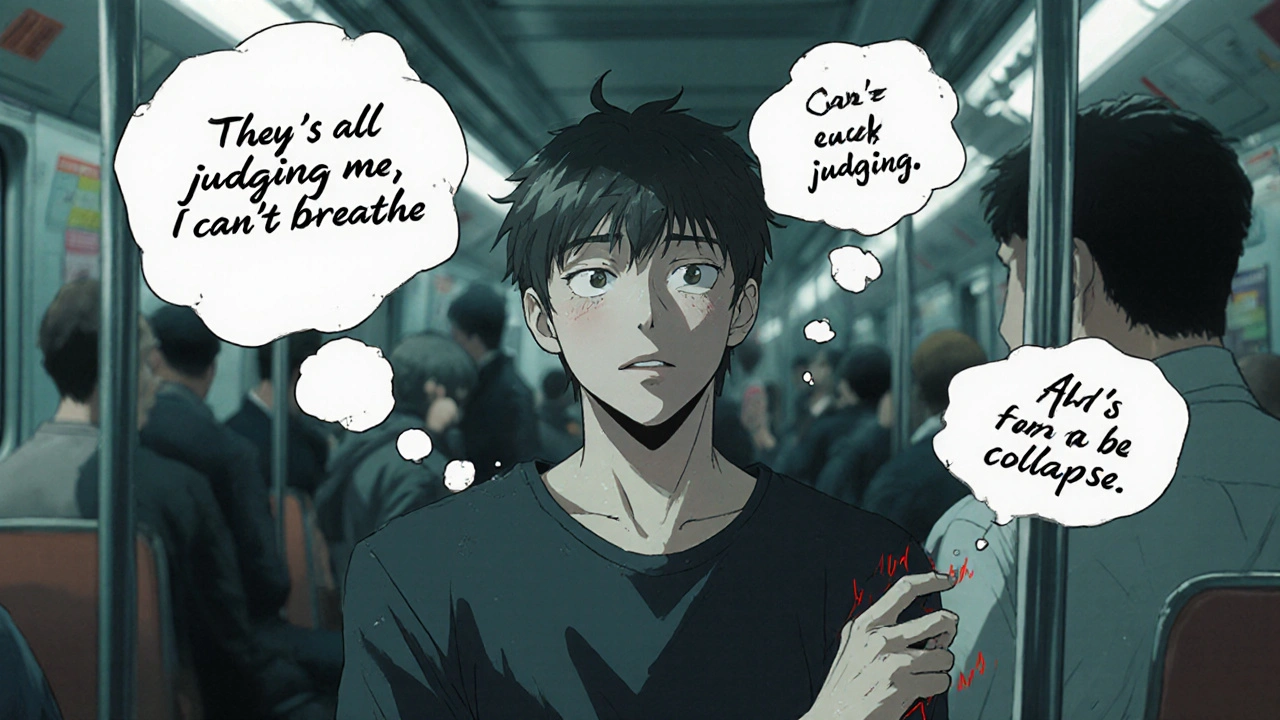
Anxiety Disorders: Types, Symptoms, and Evidence-Based Treatments
Anxiety disorders affect nearly 20% of U.S. adults and include types like GAD, panic disorder, and social anxiety. Evidence-based treatments like CBT and SSRIs are proven to reduce symptoms. Learn the signs, options, and real-world strategies for recovery.