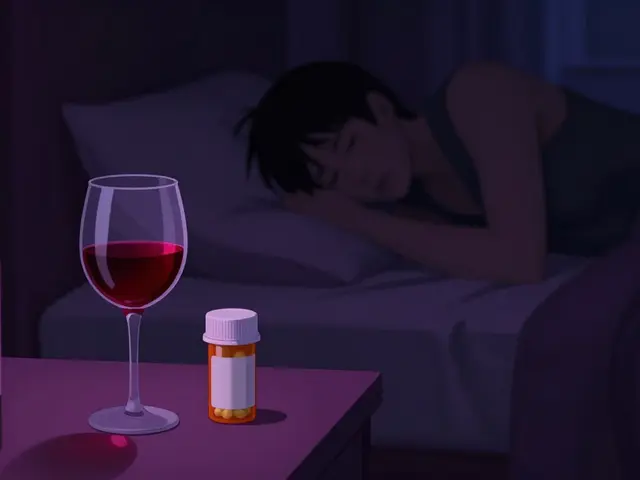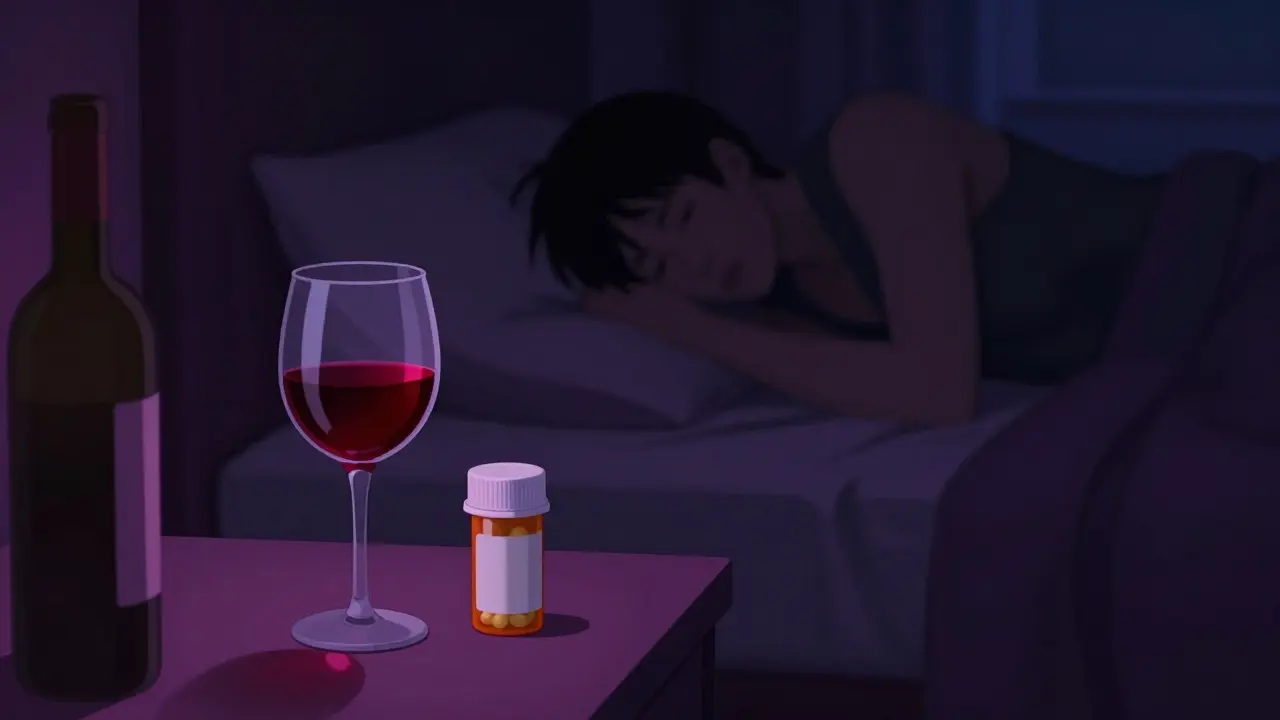
You might think a glass of wine helps you wind down, and a sleeping pill ensures you stay under. But when you mix the two, you aren't just adding their effects-you're multiplying them. This combination creates a synergistic reaction in your brain that can lead to everything from confusing "blackout" episodes to fatal respiratory failure. The danger isn't just for people drinking heavily; clinical data shows that even a single standard drink can trigger severe adverse reactions when combined with certain prescriptions.
Quick Safety Takeaways
- The Golden Rule: No amount of alcohol is considered safe when using prescription sleep aids.
- High-Risk Drugs: "Z-drugs" like Ambien carry the most acute risk for complex sleep behaviors (like sleep-driving).
- Seniors at Risk: Adults over 65 face a 300% higher risk of falls when mixing OTC sleep aids with alcohol.
- The Window: Wait at least 6 hours after drinking for Z-drugs and 12 hours for benzodiazepines.
How Alcohol and Sedatives Hijack Your Brain
To understand why this is so dangerous, you have to look at how your brain handles inhibition. GABA is a neurotransmitter that acts as the brain's primary inhibitory signal, essentially telling your neurons to slow down. Both alcohol and most sleep medications target these GABA receptors.
When you take them separately, they each dampen your central nervous system. But when combined, they create a synergistic effect. Instead of 1+1=2, it's more like 1+1=5. This happens because alcohol potentiates the medication through shared metabolic pathways in the Cytochrome P450 system, specifically the CYP3A4 enzymes. Essentially, alcohol blocks the enzyme that's supposed to break down the medication, leaving the drug in your system much longer and at much higher concentrations than your doctor intended.
The Three Main Danger Zones: Drug Classes and Risks
Not all sleep aids interact with alcohol in the same way. Depending on what you're taking, the consequences range from severe disorientation to sudden death.
1. Nonbenzodiazepine "Z-drugs"
These are medications like
Zolpidem (known by the brand name Ambien), Eszopiclone (Lunesta), and Zaleplon (Sonata). These are arguably the most dangerous to mix. Research from the University of California San Francisco shows that a blood alcohol concentration (BAC) as low as 0.02%-roughly one drink-can extend the half-life of zolpidem from 2.5 hours to over 6 hours. This leads to a massive buildup of the drug in your system.
2. Benzodiazepines
These include
Lorazepam (Ativan), Clonazepam (Klonopin), and Temazepam (Restoril). These typically have a longer duration in the body. While they might not trigger "sleep-driving" as frequently as Z-drugs, they cause profound cognitive impairment. A study by the University of Michigan found that mixing temazepam with alcohol caused nearly double the impairment in driving ability compared to alcohol alone.
3. OTC Antihistamine Sleep Aids
Many people think over-the-counter (OTC) options are "safe." They aren't. Ingredients like
Diphenhydramine (found in ZzzQuil) and Doxylamine (found in Unisom) are potent sedatives. For older adults, the combination is a recipe for disaster. The American Geriatrics Society notes that this mix increases the risk of delirium in seniors by 400%.
| Medication Class | Common Examples | Primary Interaction Risk | Danger Level |
|---|---|---|---|
| Z-Drugs | Zolpidem, Eszopiclone | Complex sleep behaviors, respiratory failure | Extreme |
| Benzodiazepines | Lorazepam, Temazepam | Severe motor impairment, prolonged sedation | High |
| OTC Antihistamines | Diphenhydramine | Delirium, high fall risk (especially seniors) | Moderate to High |
| Melatonin | Natrol, Nature Made | Increased next-day drowsiness | Low |

The Terrifying Reality of Complex Sleep Behaviors
One of the most distinct dangers of mixing alcohol with alcohol and sleep medications is the rise of "complex sleep behaviors." This is when you are technically asleep, but your body performs complex tasks. We're talking about sleep-eating, sleep-texting, and the most dangerous of all: sleep-driving.
According to the American Academy of Sleep Medicine, the incidence of these behaviors jumps from 0.15% with the medication alone to 2.4% when combined with alcohol. Imagine waking up in your car three miles from home with no memory of how you got there. This isn't just an urban legend; it's a documented side effect of GABA-ergic overload. Because the alcohol suppresses the "wake" triggers in the brain while the drug maintains the "sleep" state, you enter a twilight zone of semi-consciousness where you are functionally impaired but physically active.
Respiratory Depression: The Silent Killer
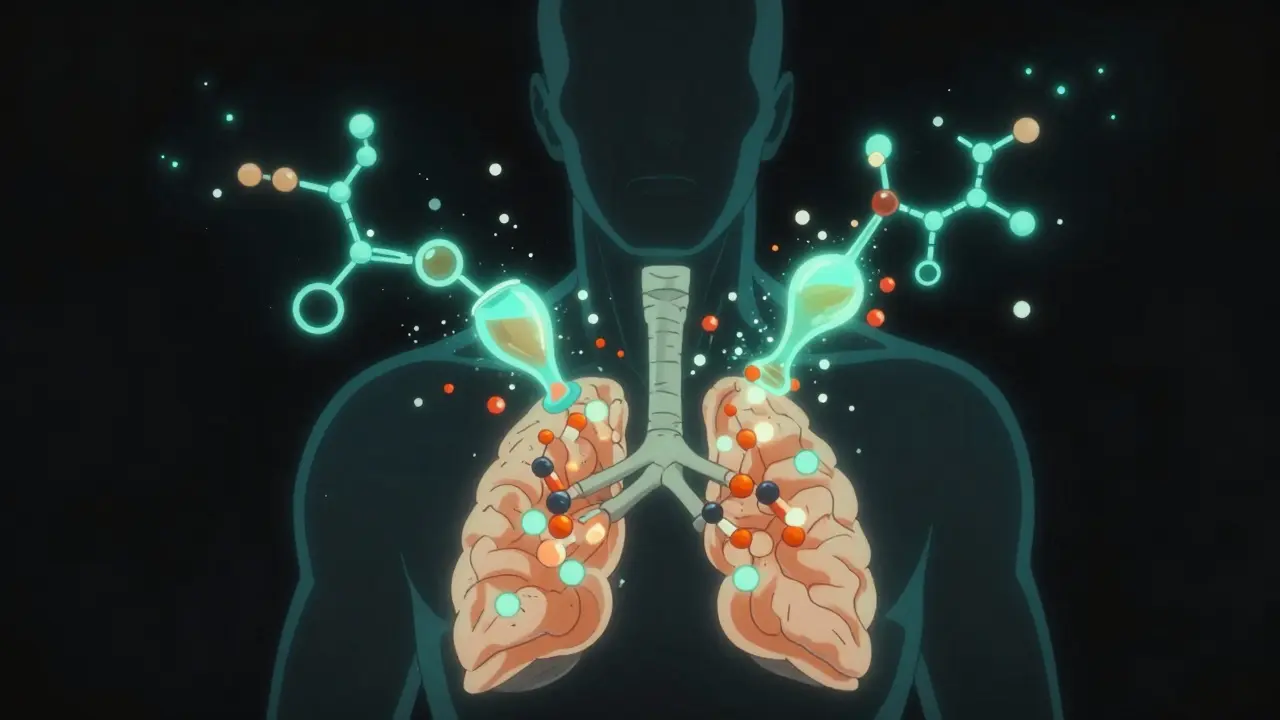
While sleep-driving is scary, respiratory depression is the actual killer. Both alcohol and sedatives tell your brain to forget to breathe. When you take them together, the signal to breathe can become too weak to keep you alive.
In a 2021 study published in the Journal of Clinical Sleep Medicine, researchers monitored patients taking eszopiclone (Lunesta) with a 0.08% BAC. The results were sobering: respiratory rates dropped from 16 breaths per minute to just 9.3. Oxygen saturation levels fell to 84.7%, a level that can lead to organ damage or death in vulnerable individuals. This is why 47% of adverse event reports analyzed by the FDA for Z-drugs involved respiratory depression severe enough to require a breathing tube (intubation).
Who Is Most at Risk?
While anyone can have a bad reaction, two groups are particularly vulnerable:
- Adults aged 35-54: This group represents over 50% of emergency room visits for alcohol-sedative interactions. This is often due to a "lifestyle" mix where high-stress professionals use alcohol to relax and prescription pills to force sleep.
- Seniors (65+): As we age, the liver doesn't process toxins as quickly. The American Geriatrics Society reports that age-related decline in metabolism increases the half-life of both alcohol and sedatives by up to 60%. This means the drug stays in the system much longer, making the interaction window far wider and more dangerous.
Safer Alternatives and Next Steps
If you find it impossible to sleep without help but still enjoy an occasional drink, you need to discuss non-GABAergic options with your doctor. Newer medications, such as Dayvigo (lemborexant), work on orexin receptors (the "wakefulness" system) rather than the "sedation" system. Clinical trials show these have a significantly lower interaction rate with alcohol compared to traditional Z-drugs.
Additionally, the American Medical Association now prioritizes non-pharmacological interventions for those who use alcohol. Cognitive Behavioral Therapy for Insomnia (CBT-I) is widely considered the gold standard because it fixes the root cause of sleep issues without introducing chemical risks.
Can I take my sleep pill if I only had one glass of wine?
No. Even one standard drink can significantly amplify the effects of Z-drugs like Ambien, potentially extending the drug's half-life and increasing the risk of complex sleep behaviors or respiratory depression.
Is melatonin safe to mix with alcohol?
Melatonin generally shows minimal dangerous interactions compared to prescription sedatives. However, it can still increase next-day drowsiness by about 35%, which may impair your ability to drive or work the following morning.
What should I do if I accidentally mixed the two and feel strange?
If you experience extreme dizziness, difficulty breathing, or severe confusion, seek emergency medical attention immediately. Do not attempt to drive yourself to the hospital, as your motor skills and judgment are likely severely impaired.
Why are OTC sleep aids dangerous for the elderly?
Older adults have a slower hepatic metabolism, meaning drugs like diphenhydramine stay in the system longer. When combined with alcohol, this dramatically increases the risk of delirium and falls, leading to a high rate of hip fractures.
How long should I wait after drinking before taking a sleep aid?
Medical guidelines generally suggest a minimum 6-hour alcohol-free window for Z-drugs and at least 12 hours for benzodiazepines to allow the liver to process the alcohol before adding another sedative.