Fluoroquinolone Tendon Risk Assessor
Instructions: Select the options that apply to you to see your estimated risk profile.
Risk Assessment
Based on selected factorsRecommendations
- Select factors to view recommendations.
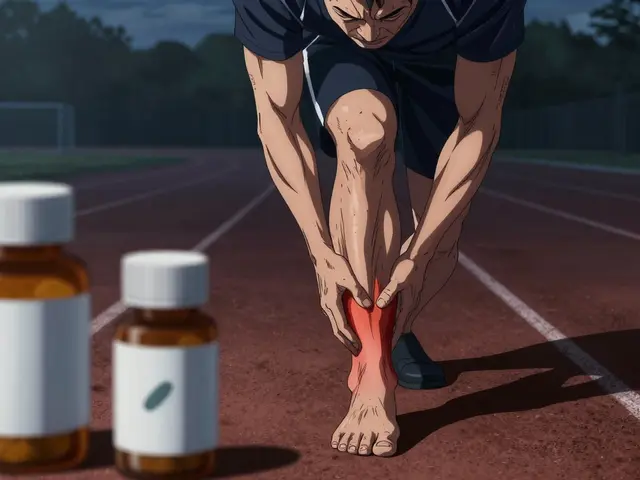
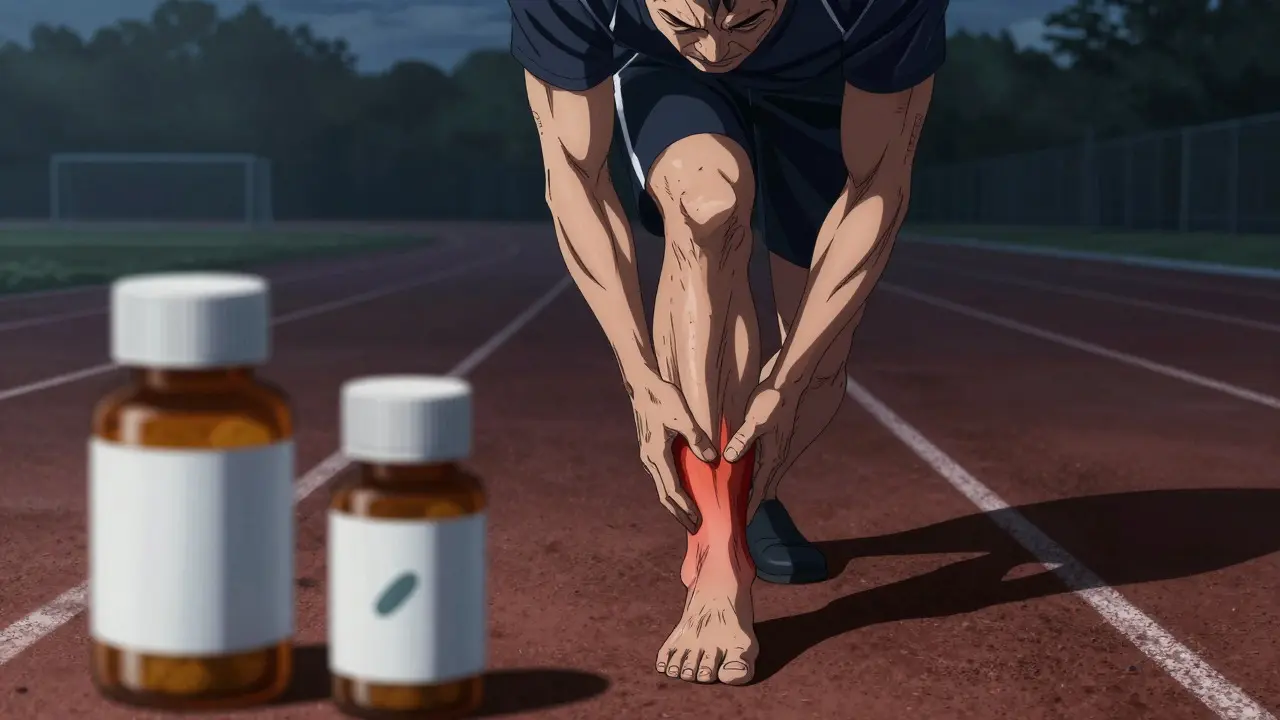
You pick up your prescription for a stubborn infection. The doctor hands you a bottle of fluoroquinolones, a powerful class of antibiotics that includes names like ciprofloxacin and levofloxacin. You also have a nagging knee pain from last week’s run, so you pop an NSAID (non-steroidal anti-inflammatory drug) like ibuprofen or naproxen to keep the swelling down. It seems like a harmless combo. But what if these two common medications are working against you? Specifically, what if they are quietly increasing your risk of a catastrophic tendon rupture?
This is not just medical theory; it is a real concern that has kept orthopedic surgeons and pharmacists up at night. While the link between fluoroquinolones and tendon damage is well-documented, the role of NSAIDs in this equation is often misunderstood. Let’s cut through the noise and look at what the science actually says about taking these drugs together.
The Fluoroquinolone Tendon Connection
To understand the risk, we first need to look at the antibiotic itself. Fluoroquinolones have been around since the 1980s. They are broad-spectrum weapons used for everything from urinary tract infections to pneumonia. However, their side effect profile is unique. Unlike many other antibiotics that cause stomach upset or rashes, fluoroquinolones can attack connective tissue.
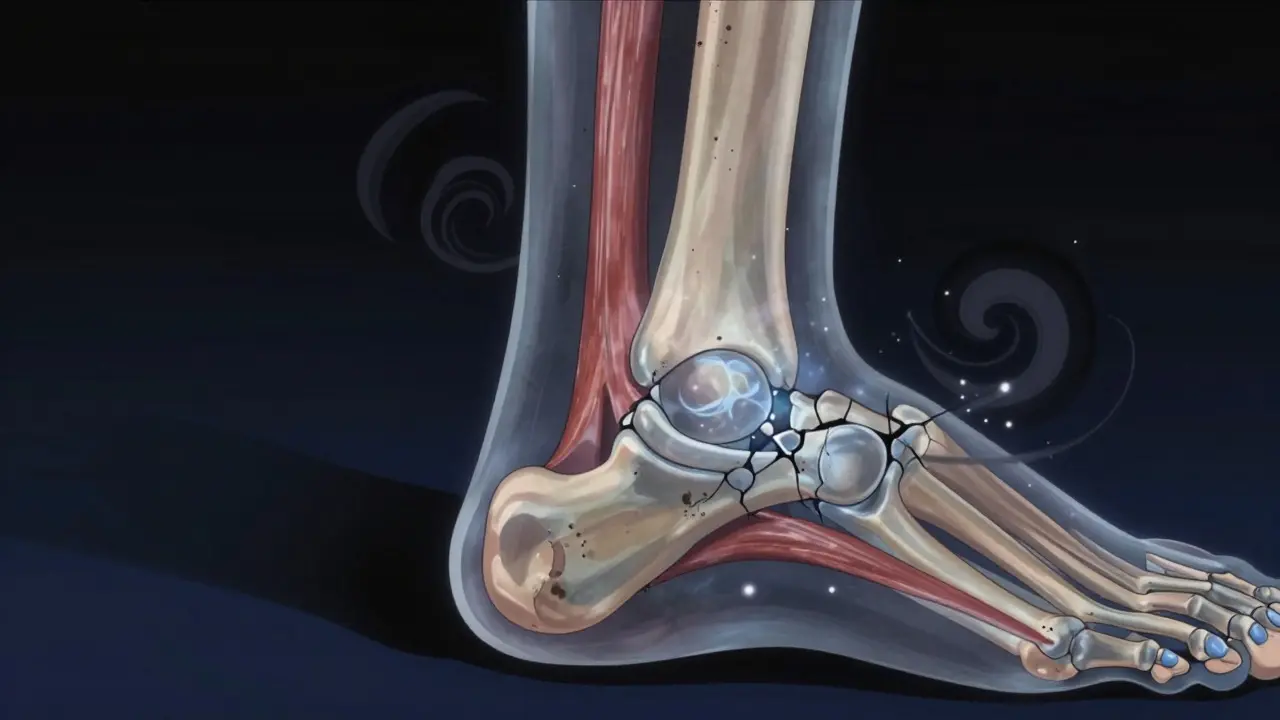
In July 2008, the FDA mandated a black-box warning-the strongest safety alert available-for all fluoroquinolones. This warning highlighted the increased risk of tendinitis and tendon rupture. The risk isn’t theoretical. Studies suggest that fluoroquinolone use increases the risk of tendon rupture by three to four times compared to non-users. The Achilles tendon is the most frequent victim, accounting for nearly 90% of cases. In some instances, both tendons rupture simultaneously.
Why does this happen? The mechanism is fascinating but destructive. Fluoroquinolones interfere with the DNA replication of bacteria, but they also affect human cells. They trigger oxidative stress in tenocytes (the cells that build and maintain tendons). This leads to apoptosis, or cell death. Furthermore, these drugs upregulate matrix metalloproteinases (MMPs), enzymes that break down collagen. Collagen is the structural protein that gives tendons their strength. When MMPs go into overdrive, the tendon becomes weak, brittle, and prone to snapping under normal pressure.
Do NSAIDs Make It Worse?
Here is where the conversation gets tricky. Many patients assume that because NSAIDs reduce inflammation, they might help mask early signs of tendon injury, leading to further damage. Others worry that NSAIDs themselves weaken tendons. So, does combining them with fluoroquinolones create a perfect storm?
The evidence here is nuanced. While corticosteroids (like prednisone) are definitively known to drastically increase the risk of tendon rupture when taken with fluoroquinolones, the data on NSAIDs is less clear-cut. Most major regulatory bodies, including the FDA and the European Medicines Agency, specifically warn against concomitant use of corticosteroids. You will rarely see a specific black-box warning stating that NSAIDs independently double the rupture risk in the same way steroids do.
However, clinical caution remains high. NSAIDs inhibit prostaglandins, which play a role in tissue repair. Some researchers argue that while NSAIDs don’t directly cause the cellular toxicity seen with fluoroquinolones, they may impair the tendon’s ability to heal micro-tears caused by the antibiotic. Additionally, by masking pain, NSAIDs can prevent you from resting an injured tendon. If your Achilles starts to ache-a sign of early tendinopathy-and you take ibuprofen to push through a workout, you might rupture it before you realize anything is wrong.
| Drug Class | Effect on Tendon Risk | Clinical Recommendation |
|---|---|---|
| Corticosteroids | Significantly Increases Risk | Avoid combination if possible; highest risk category. |
| NSAIDs | Potentially Moderate Risk / Masks Symptoms | Use with caution; monitor for pain closely. |
| Acetaminophen | No Known Increased Risk | Safer alternative for pain relief during treatment. |
Who Is Most at Risk?
Not everyone who takes these drugs will suffer a tendon rupture. The risk is stratified. Certain groups face a much higher probability of adverse events. Understanding where you fall on this spectrum is crucial for decision-making.
- Age: Patients over 60 years old face a 3.8-fold greater risk of Achilles tendinitis or rupture. Aging tendons have reduced blood supply and elasticity, making them more susceptible to the toxic effects of fluoroquinolones.
- Renal Impairment: If your kidneys aren’t filtering efficiently, fluoroquinolones can accumulate in your system, increasing exposure and toxicity.
- Transplant Recipients: Solid organ transplant patients are on immunosuppressants, which often include corticosteroids, compounding the risk.
- Athletes: High-impact activities put mechanical stress on tendons. Adding chemical weakness via antibiotics creates a dangerous mismatch between load and capacity.
A 2022 study published in BMJ Open added another layer to this discussion. It suggested that not all fluoroquinolones are equal. Third-generation agents showed no significant association with Achilles tendon rupture, whereas first- and second-generation drugs carried a significantly elevated risk. This implies that if a fluoroquinolone is absolutely necessary, the choice of specific agent matters immensely.

Recognizing the Warning Signs
The window for intervention is narrow. The median time between starting a fluoroquinolone and the onset of tendon symptoms is just six days. In fact, 85% of cases occur within the first month of treatment. But here is the scary part: symptoms can appear even after you stop taking the medication. The UK Medicines and Healthcare products Regulatory Agency notes that damage can manifest months later.
You need to know what to look for. Early tendinopathy doesn’t always feel like a dramatic injury. It often presents as:
- A dull ache or stiffness in the back of the ankle or heel.
- Pain that worsens with activity or after periods of rest.
- Swelling or redness along the tendon line.
- A sensation of “creaking” or popping in the joint.
If you experience any of these, the standard advice is immediate discontinuation of the antibiotic. Do not wait to see if it gets better. Contact your healthcare provider right away. Immobilize the affected limb to prevent further strain. Continuing to walk or run on a compromised tendon is the fastest way to turn tendinitis into a full-blown rupture.
Practical Steps for Safer Treatment
If you are prescribed a fluoroquinolone, you are not powerless. You can take steps to mitigate your risk. First, have an open conversation with your prescriber. Ask if there is an alternative antibiotic that doesn’t carry this black-box warning. For uncomplicated infections, drugs like trimethoprim-sulfamethoxazole or nitrofurantoin might be safer options.
If a fluoroquinolone is the only effective option, manage your pain carefully. Instead of reaching for an NSAID, consider acetaminophen (paracetamol) for pain relief, as it does not interfere with prostaglandin-mediated tissue repair. Stay hydrated to support kidney function and drug clearance. Avoid intense physical activity during the course of treatment and for several weeks afterward. Give your tendons a break from heavy loading.
Finally, educate yourself. Only 32% of patients recall receiving specific counseling about tendon risks, according to a 2021 survey. Don’t rely solely on the pharmacist’s quick handout. Read the label. Know the signs. Your awareness is your best defense against a life-altering injury.
Can I take ibuprofen while on Cipro?
While there is no strict contraindication preventing the use of ibuprofen with ciprofloxacin, caution is advised. Ibuprofen is an NSAID, which may mask early signs of tendon pain and potentially impair healing. Acetaminophen is generally considered a safer alternative for pain management during fluoroquinolone therapy unless otherwise directed by your doctor.
How long does the risk of tendon rupture last after stopping the antibiotic?
The risk persists beyond the duration of the drug treatment. Symptoms can begin within 48 hours of starting the medication but may also emerge several months after discontinuation. Most cases occur within the first month, but vigilance is recommended for up to six months post-treatment.
Which fluoroquinolone has the lowest risk of tendon damage?
Recent studies suggest that third-generation fluoroquinolones may have a lower risk profile compared to earlier generations. Levofloxacin has shown higher risks in some studies, while others indicate variable risks depending on the specific agent. Always discuss the specific drug's safety profile with your healthcare provider.
What should I do if I feel pain in my Achilles tendon while taking an antibiotic?
Stop taking the antibiotic immediately and contact your doctor. Rest the affected limb and avoid weight-bearing activities. Do not apply heat or massage the area aggressively. Early intervention can prevent a minor tendinopathy from progressing to a complete rupture.
Are older adults more likely to suffer tendon ruptures from fluoroquinolones?
Yes, patients over the age of 60 are at significantly higher risk-up to 3.8 times greater for Achilles issues. Age-related changes in tendon structure and reduced blood flow make older tendons more vulnerable to the toxic effects of these antibiotics.