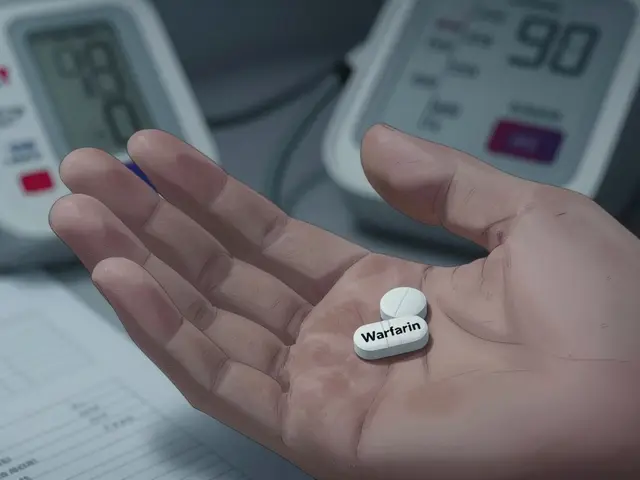
You’re standing in a pharmacy in Paris, holding a prescription from your doctor back home. The pharmacist looks at you blankly when you say “Advil.” You need pain relief, but the brand name means nothing here. This is a common nightmare for travelers. Medication names change across borders. Dosages look different. And getting it wrong can be dangerous.
Translating medication isn’t just about swapping words. It’s about matching active ingredients, understanding local regulations, and ensuring you get the right strength. A simple mistake, like confusing a sleep aid with a heart medication because they sound similar, can lead to severe health issues. In this guide, we’ll walk you through exactly how to translate medication names and doses safely so you can manage your health abroad without panic.
Why Brand Names Fail Abroad
The biggest hurdle in traveling with medication is the brand name. Pharmaceutical companies sell drugs under different names in different countries. Advil is a popular over-the-counter pain reliever in the United States containing ibuprofen. But if you ask for Advil in France, the pharmacist might not know what you mean. They will likely direct you to Ibuprofène, which contains the exact same active ingredient.
This discrepancy exists because brand names are marketing tools, while generic names describe the chemical substance. For example, in Poland, you might find ibuprofen sold as Abfen. If you rely solely on the brand name you know, you could end up buying the wrong product or wasting time searching for something that doesn’t exist locally.
Even more dangerous are look-alike names. Consider Ambien, a common sleep aid in the U.S., versus Ambyen, a medication for irregular heartbeat used in Great Britain. One letter difference, two completely different effects. Confusing these could have life-threatening consequences. Always verify the active ingredient, not just the label.
The Universal Language: International Nonproprietary Names (INN)
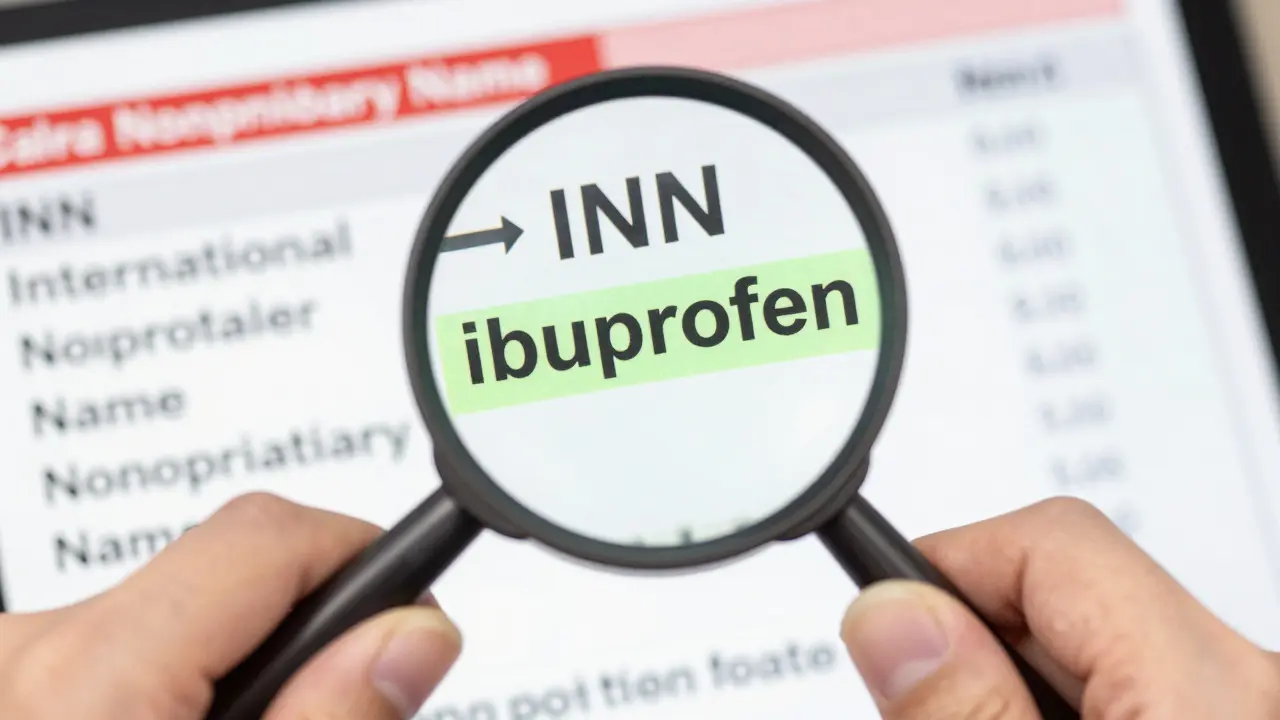
To solve the brand name chaos, the World Health Organization created the International Nonproprietary Name (INN) system. These are standardized generic names used globally. When you see ibuprofen on a bottle, that’s the INN. Whether it’s called Advil, Motrin, Ibuprofène, or Nurofen, the INN remains ibuprofen.
Your primary strategy for translating medication is to identify the INN. Here is how you do it:
- Check your prescription bottle: Look for the small print below the brand name. It usually says “contains [Generic Name]” or lists the active ingredient.
- Use online databases: Websites like Drugs.com or the WHO INN list allow you to search by brand name to find the generic equivalent.
- Ask your doctor: Before you travel, ask your doctor to write the INN on your prescription. Many doctors will provide a letter stating, “Patient requires [INN] at [Dosage].”
Once you have the INN, you can show it to any pharmacist worldwide. They will recognize the chemical name even if they don’t know the brand.
Decoding Dosages and Strengths
Finding the right drug is only half the battle. You also need the correct dose. Dosage formats vary significantly between countries. In the U.S., you might see “500 mg.” In Europe, you might see “0.5 g.” While mathematically identical, the visual difference can cause confusion, especially under stress.
Here are common pitfalls to watch for:
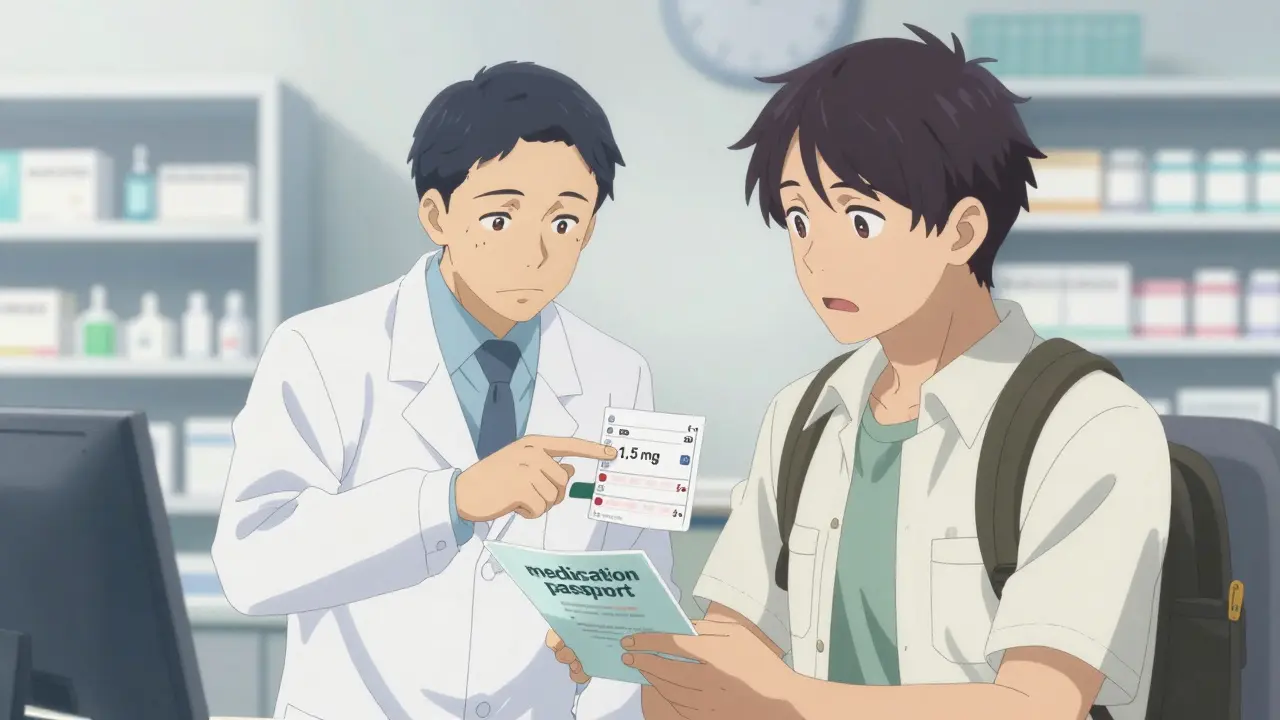
- Decimal points vs. commas: In many European and South American countries, a comma is used as a decimal separator. “1,5 mg” means 1.5 milligrams. If you read it as 15 mg, you could take ten times the intended dose.
- Tablet strengths: Some countries package medications in different standard strengths. A country might only sell 200 mg tablets of a drug you usually take as 400 mg. You may need to adjust how many pills you take, but never do this without consulting a local pharmacist.
- Liquid concentrations: Syrups and suspensions often have different concentrations per milliliter. Always check the “mg/mL” ratio on the label.
When showing your prescription, highlight the dosage clearly. Write it out in both numbers and words if possible, e.g., “500 milligrams (half gram).”
| Active Ingredient (INN) | USA Brand Examples | UK/Europe Brand Examples | Latin America Brand Examples |
|---|---|---|---|
| Ibuprofen | Advil, Motrin | Nurofen, Ibuprofène | Buscapina, Advil |
| Acetaminophen | Tylenol | Paracetamol, Panadol | Acephen, Tylenol |
| Omeprazole | Prilosec | Losec, Omez | Controlac, Prilosec |
| Cetirizine | Zyrtec | Zyrtec, Letizen | Zyrtec, Cetirizina |
| Metformin | Glucophage | Glucophage, Siofor | Glucophage, Metfogamma |
Essential Documents for Traveling with Meds
Before you leave, prepare a “medication passport.” This document should include:
- A copy of your original prescription: Include the doctor’s contact information.
- A list of all medications: Include brand name, INN, dosage, frequency, and purpose.
- A translation of the prescription: Use a professional service or a certified translator. Avoid Google Translate for critical medical instructions. Errors in AI translation can misinterpret dosage forms (e.g., “tablet” vs. “capsule”) or timing (“before meals” vs. “after meals”).
- A doctor’s letter: Have your physician sign a letter confirming you require these specific medications for a diagnosed condition. This is crucial for controlled substances.
Keep digital copies in your cloud storage and physical copies in your carry-on luggage. Never pack essential medications in checked bags.
Navigating Local Pharmacy Regulations
Not all medications available in your home country are legal or available elsewhere. Some drugs are classified differently. For instance, certain antihistamines or decongestants that are over-the-counter in the U.S. require a prescription in Germany or Japan.
Conversely, some medications banned in one country are freely available in another. Do not assume availability. Check the destination country’s health ministry website before you go. For example, codeine-containing cough syrups are strictly regulated in many Asian countries.
If you run out of medication, visit a local pharmacy. Show your INN list and dosage instructions. The pharmacist can recommend a local equivalent. If no equivalent exists, they may be able to compound the medication or suggest an alternative treatment plan.
Tools and Resources for Safe Translation
While professional translation services like RxTran or Stepes offer high accuracy for pharmacies, travelers need accessible tools. Here are reliable resources:
- Drugs.com International: Allows you to search for a drug by name and see its equivalents in other countries.
- WHO INN List: The official source for generic names.
- Travel Health Clinics: Visit a clinic specializing in travel medicine before departure. They can provide pre-travel prescriptions and advice on local alternatives.
- Pharmacy Apps: Some apps allow you to scan a pill and identify it, though always verify with a human pharmacist.
Avoid relying on friends or hotel staff to translate prescriptions. Medical terminology is complex. A mistranslated instruction like “take once daily” instead of “take every six hours” can lead to serious complications.
What to Do If You Can’t Find Your Medication
If you arrive and cannot find your exact medication, stay calm. Contact your doctor via email or telehealth. Describe the situation and the local options available. Your doctor can advise if a substitute is safe. In emergencies, seek care at a hospital or urgent care center. Explain your condition and show your medication passport.
Remember, the goal is continuity of care. Sometimes, switching to a locally available generic with the same INN is perfectly safe and effective. Trust the process, but always verify with a healthcare professional.
Can I use Google Translate for my prescription?
No, you should not rely on Google Translate for prescriptions. AI tools often miss context, confuse similar-sounding drug names, and fail to interpret medical abbreviations correctly. A single error in dosage or frequency can be dangerous. Use a certified medical translator or a professional service for critical documents.
Do I need a prescription for over-the-counter meds abroad?
It depends on the country. Many medications considered over-the-counter in the U.S., such as strong painkillers or certain allergy meds, require a prescription in Europe, Asia, or Australia. Always check local regulations before traveling. Carry a doctor’s note for any medication you bring, even if it’s OTC at home.
How do I handle liquid medications with different concentrations?
Always compare the mg/mL ratio. If your usual syrup is 100 mg/5 mL and the local version is 200 mg/5 mL, you would need half the volume. Consult a local pharmacist to calculate the correct dose based on the new concentration. Never guess with liquids.
What if my medication is banned in the country I’m visiting?
If your medication is banned, do not attempt to bring it in. Contact your doctor before travel to discuss alternatives that are legal in your destination. Some countries ban substances like pseudoephedrine or codeine entirely. Plan ahead to avoid legal issues or health gaps.
Is it safe to buy generic equivalents abroad?
Yes, if they contain the same International Nonproprietary Name (INN) and dosage. Generics are required to meet strict quality standards in most developed countries. However, verify the manufacturer’s reputation and ensure the packaging is sealed. Ask the pharmacist to confirm the equivalence.