
When you pick up a prescription, you might not realize the pharmacist could be swapping your brand-name drug for a cheaper generic-without asking. In many states, this happens automatically. But you have a right to say no. And if you’re on a medication where even small changes can cause big problems, that right isn’t just helpful-it’s essential.
What Is Generic Substitution?
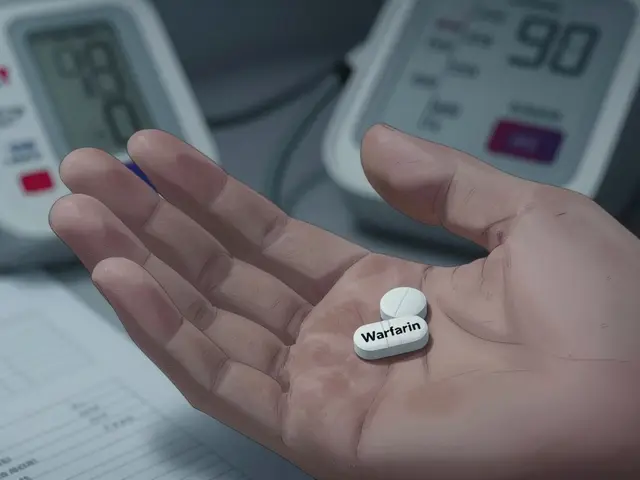
Generic drugs are chemically identical to their brand-name counterparts. They contain the same active ingredient, work the same way, and are approved by the FDA as safe and effective. The difference? Price. Generics typically cost 80% to 85% less. That’s why pharmacies, insurers, and pharmacy benefit managers (PBMs) push them hard. But here’s the catch: not all drugs are created equal. For medications with a narrow therapeutic index-like levothyroxine for thyroid conditions, warfarin for blood thinning, or certain seizure drugs-even tiny differences in how the body absorbs the drug can lead to serious side effects or treatment failure. That’s why some patients need to stick with the brand.Your Legal Right to Refuse
You don’t need a doctor’s note to refuse a generic. In 43 states, simply saying, “I decline substitution,” is enough. Pharmacists are required to honor that request. No argument, no pressure, no extra paperwork. But the rules vary by state. In 19 states-including California, Texas, and New York-pharmacists are legally required to substitute generics unless the doctor says otherwise. In 7 states plus Washington, D.C.-like Massachusetts, Vermont, and Hawaii-you must give explicit consent before a swap happens. That means the pharmacist has to ask you, and you have to say yes. If you live near a state border or use mail-order pharmacies, this gets messy. A prescription filled in one state might be substituted; the same one filled in the next state might not be. That’s why knowing your state’s law matters.When Brand-Name Drugs Are Medically Necessary
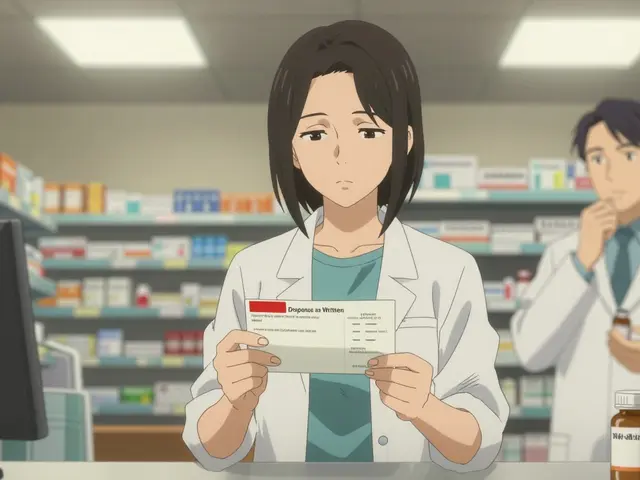
If you’ve had bad reactions to generics-or your doctor believes you need the brand-you can get a “dispense as written” note on your prescription. Forty-eight states recognize this as a legal exception to substitution rules. You don’t need to be sick to qualify. If you’ve been stable on a brand-name drug for months or years, switching can disrupt your health. For example, patients on Synthroid (levothyroxine) often report feeling worse after switching to generics. Their TSH levels fluctuate. Fatigue returns. Weight gain happens. These aren’t just anecdotes. Studies show these changes are measurable. The FDA says generics are therapeutically equivalent, but real-world experience tells a different story for some. The same goes for biosimilars-drugs that mimic biologics like insulin or rheumatoid arthritis treatments. They’re not true generics. They’re complex, and switching without warning can cause blood sugar spikes or flare-ups. One patient on Diabetes Daily reported erratic glucose levels after being switched from Lantus to Basaglar without notice. It took two weeks to figure out why.
How to Say No-Without a Fight
You don’t need to argue. You don’t need to explain. Just say it clearly:- “I decline generic substitution.”
- “I need the brand-name version.”
- “My doctor wrote ‘dispense as written.’”
What to Bring to the Pharmacy
To make your request stick:- Bring your prescription with “dispense as written” marked by your doctor.
- Keep a copy of your state’s generic substitution law (most state pharmacy boards post them online).
- Have your insurance card ready. Sometimes, your plan covers the brand at the same cost as the generic-especially if you’ve hit your deductible.
- Use GoodRx or SingleCare to check cash prices. Sometimes, paying out-of-pocket for the brand is cheaper than your insurance copay.
Why Pharmacists Push Generics
It’s not personal. Pharmacists aren’t trying to harm you. They’re following rules set by PBMs and insurers. These companies get rebates from drugmakers when generics are used. They also have “gag clauses”-rules that once stopped pharmacists from telling you the brand was cheaper. Those were banned in 2018 by federal law. Now, pharmacists can tell you if paying cash for the brand is cheaper than using insurance. That’s a game-changer. If your copay for the brand is $40 but the cash price is $25, the pharmacist is now legally required to tell you. Ask: “Can I pay cash for the brand and save money?” You might be surprised.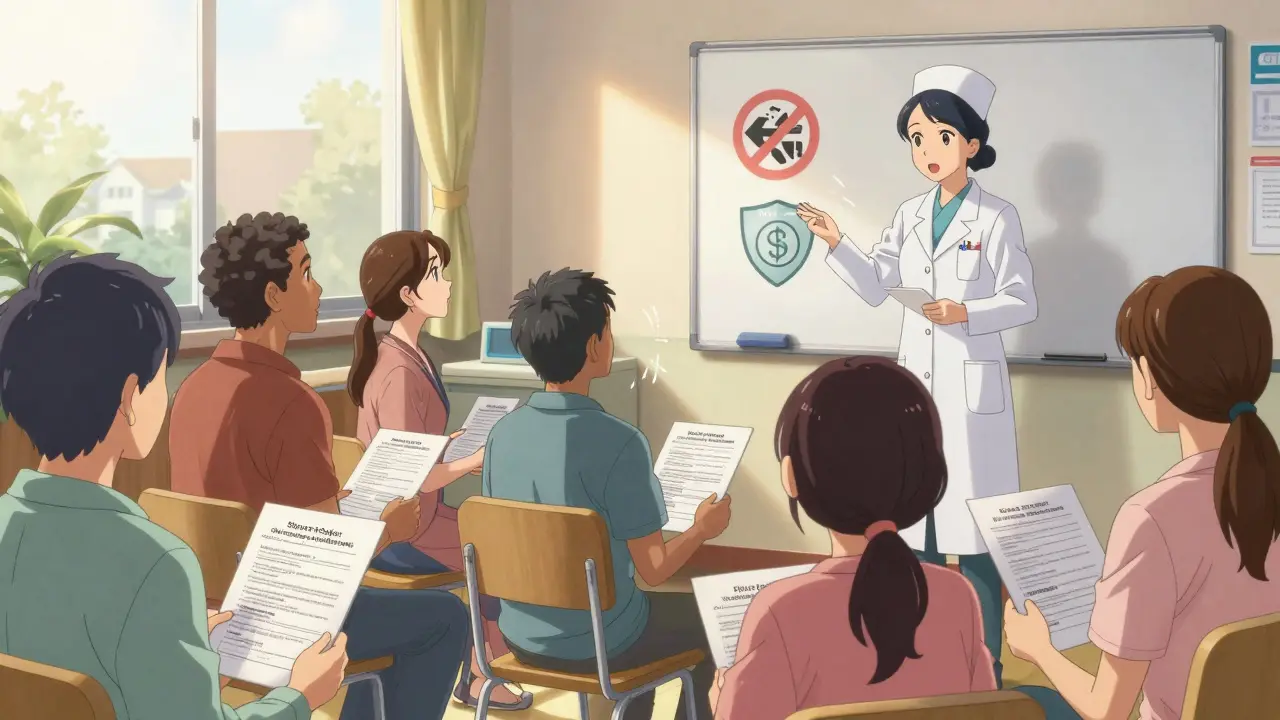
What to Do If You’ve Already Been Switched
If you’ve been switched to a generic without your knowledge and you’re feeling off-fatigue, dizziness, mood swings, irregular heartbeats, or worsening symptoms-don’t wait. Contact your doctor immediately. Bring your prescription bottle. Say: “I think the generic is affecting me.” Your doctor can:- Write a new prescription with “dispense as written.”
- Call the pharmacy to reverse the substitution.
- File a medication error report with the FDA.
Resources to Help You
You’re not alone. Here’s where to turn:- Your state’s Board of Pharmacy: Find contact info at NABP.org (no links in final output, so omit this line).
- The FDA’s MedWatch program: Report adverse reactions from substitutions.
- AARP’s Medication Guide: Explains state laws in plain language.
- National Organization for Rare Disorders: For patients on specialty drugs.
Bottom Line: Know Your Rights, Speak Up
Generic substitution saves money. That’s good-for the system. But your health isn’t a cost center. If you’re on a drug where stability matters, you have the right to stay on what works. You don’t need permission. You don’t need to justify it. Just say no. The system is designed to push generics. But you’re the one taking the pill. You’re the one living with the effects. You get the final say.Can a pharmacist refuse to give me my brand-name drug if I ask for it?
No. In all 50 states and Washington, D.C., you have the right to refuse a generic substitution. Even in states where pharmacists can substitute automatically, they must honor your request to stick with the brand. If they refuse, ask for the manager and cite your state’s pharmacy law. If they still won’t comply, file a complaint with your state Board of Pharmacy.
Do I need a doctor’s note to get a brand-name drug instead of a generic?
Not always. In 43 states, simply saying “I decline substitution” is enough. But if you have a medical reason-like past side effects or instability on generics-ask your doctor to write “dispense as written” on the prescription. That’s legally binding in 48 states and makes your request harder to ignore.
Are generic drugs always safe to substitute?
For most drugs, yes. The FDA requires generics to be bioequivalent. But for drugs with a narrow therapeutic index-like thyroid meds, blood thinners, and seizure drugs-small differences in absorption can cause serious problems. The World Medical Association advises against switching patients on chronic medications without the prescribing doctor’s approval. If you’ve been stable on a brand, ask before switching.
Can I save money by paying cash for the brand-name drug?
Yes, sometimes. Thanks to the 2018 Know the Lowest Price Act, pharmacists can now tell you if paying cash for the brand is cheaper than your insurance copay. Use apps like GoodRx or SingleCare to compare prices. In some cases, the brand costs less than your copay-especially if you’re on a high-deductible plan.
What if I’m on a biosimilar and feel worse after a switch?
Biosimilars aren’t generics. They’re complex biological products, and switching without notice can cause serious issues-for example, erratic blood sugar in insulin users or flare-ups in autoimmune patients. If you feel worse after a switch, contact your doctor immediately. Request your original medication. File a report with the FDA’s MedWatch system. You have the right to be informed before any substitution, especially for biologics.





bhushan telavane December 18, 2025
Been there. Got switched to generic levothyroxine in Delhi and felt like a zombie for three weeks. My doctor had to fight the pharmacy. Turned out the Indian-made generic had different fillers. Never again. Just say no.
Mahammad Muradov December 19, 2025
People don’t understand bioequivalence. The FDA requires 80-125% absorption range. That’s a 45% swing. For warfarin, that’s a stroke waiting to happen. You think it’s about money? No. It’s about lazy medicine and pharmacies treating patients like inventory.
Connie Zehner December 21, 2025
OMG YES!! I switched to generic seizure med and had a seizure at work 😭 My boss called my doctor and he was FURIOUS. Pharmacist said ‘it’s the same thing’ - SAME THING?! I nearly died. Now I print out the state law and hand it to them. They always back down. ❤️
holly Sinclair December 21, 2025
It’s fascinating how the system incentivizes substitution not because it’s safer or more effective, but because of rebate structures hidden in the supply chain. The real issue isn’t generics - it’s the commodification of health. When a pill becomes a line item on a spreadsheet, we lose sight of the human being who has to live with the consequences of that algorithm. The body doesn’t care about cost-efficiency. It cares about consistency. And that’s why this fight matters - not just for patients, but for what we value in healthcare.
Monte Pareek December 23, 2025
If you’re on a narrow therapeutic index drug and you get switched without consent that’s not just bad practice - it’s negligence. I’ve worked in pharmacy for 18 years. I’ve seen people crash after switching. Don’t let them bully you. Say ‘I decline substitution’ - no explanations. If they argue, say ‘I’m filing a complaint with the state board’ - they’ll fold. I’ve had managers thank me for standing up. And yes, paying cash for the brand is often cheaper than your copay. Always ask. GoodRx is your friend. You’re not being difficult. You’re being smart.
Tim Goodfellow December 23, 2025
Pharmacists are stuck between a rock and a hard place - PBMs pulling strings, insurers screaming for cuts, and patients who think they’re being scammed. But the real villain? The opaque rebate system. I’ve seen a brand-name insulin cost $12 cash but $85 with insurance. Pharmacists can now tell you that - so ask. And if they don’t volunteer it? Call them out. You’re not the problem. The system is.
Elaine Douglass December 25, 2025
I used to get so stressed going to the pharmacy until I learned to just say ‘I need the brand’ and walk away. No yelling. No arguing. Just calm. Now I bring my card and the GoodRx printout. Sometimes they give me the brand for less than my copay. It’s wild. I wish more people knew this. You’re not being high maintenance - you’re being responsible.
Alex Curran December 27, 2025
My mum’s on warfarin. Switched to generic. INR went from 2.4 to 4.8 in two weeks. Almost bled out. Doctor had to reverse it. Now we use the same pharmacy, same brand, same script every time. And we always check the bottle. If it says ‘generic’ we say no. Simple. No drama. Just smart.
Allison Pannabekcer December 28, 2025
Some people think this is just about money but it’s really about trust. If you’ve been stable on Synthroid for ten years and then they swap it out without asking - it’s not just a pill change. It’s a betrayal. Like someone swapped your toothbrush without telling you and you didn’t notice until your gums started bleeding. You don’t need to justify your body’s needs. You just need to know your rights. And you do. So use them.
Sarah McQuillan December 29, 2025
Why are we even having this conversation? In America we have the best drugs in the world. Why are we letting some pharmacist decide what we take? If you want generics go to India or Mexico. Here we pay for quality. If you can’t afford the brand? Then don’t take the medicine. That’s the real solution. Stop complaining about the system - fix your own finances.