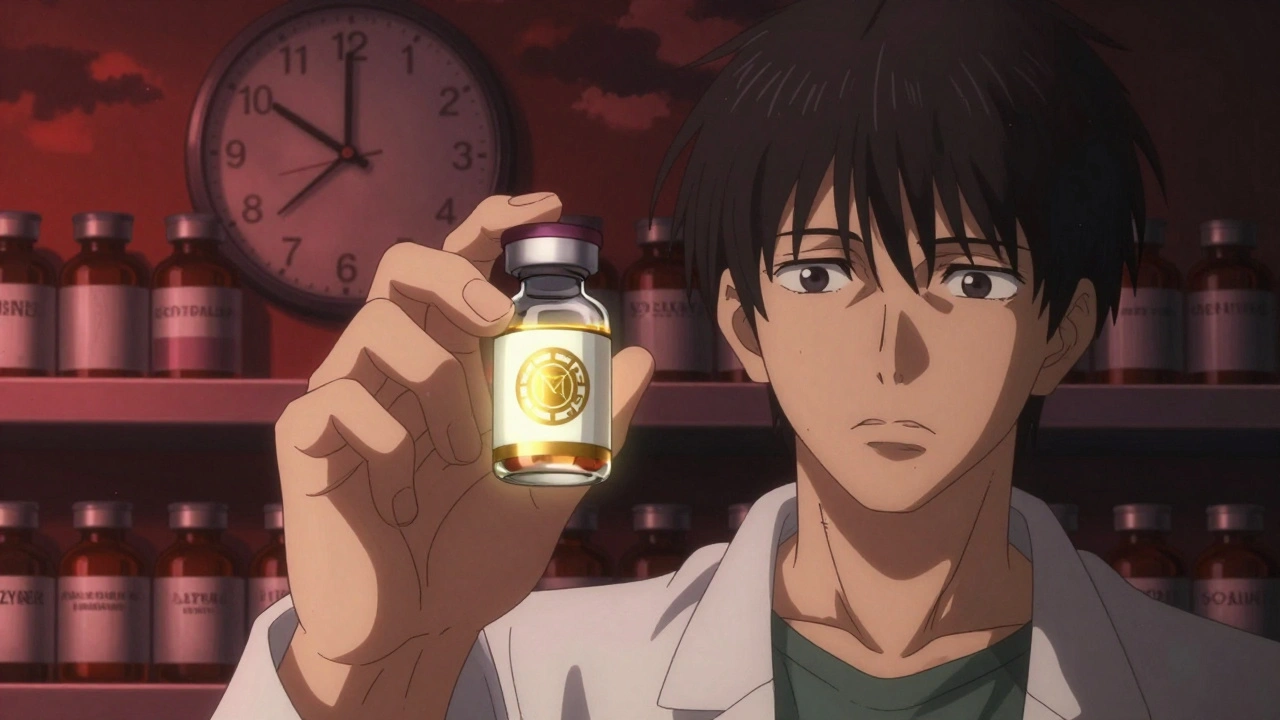
When a new drug hits the market, you might assume its high price is just because of patent protection. But here’s the twist: many drugs are protected from generics not by patents at all, but by something called regulatory exclusivity. This isn’t a legal loophole-it’s a government-mandated delay, built into the law, that stops generic companies from even applying to sell cheaper versions for years. And it’s happening right now on dozens of top-selling medications.
What Exactly Is Regulatory Exclusivity?
Regulatory exclusivity is a clock that starts ticking the moment the FDA approves a new drug. During that time, the agency can’t accept or approve any application for a generic or biosimilar version-even if the patent on the drug has already expired. It’s automatic. No lawsuit. No paperwork from the drugmaker. Just a rule written into law that says: ‘No one else can sell this drug for X years.’
This system was created in the 1980s to balance two goals: get affordable generics to market quickly, but also give companies a real chance to make back their research costs. Before this, companies spent 10-12 years developing a drug, only to find their patent had almost run out by the time it got approved. Regulatory exclusivity fixed that by tying protection to approval, not filing.
Unlike patents-which protect specific chemical structures or methods-and can be challenged in court, exclusivity is enforced by the FDA. If a generic company tries to file an application too early, the FDA just rejects it. No debate. No appeals. It’s a hard stop.
The Five Main Types of Exclusivity in the U.S.
Not all exclusivity is the same. The FDA grants different periods depending on what kind of drug it is. Here’s how it breaks down:
- New Chemical Entity (NCE) Exclusivity: 5 years - This applies to drugs with a brand-new active ingredient. For the first 4 years, the FDA won’t even accept a generic application. At year 5, generics can be approved-but only if they prove they’re identical in safety and effectiveness.
- Orphan Drug Exclusivity: 7 years - If a drug treats a rare disease affecting fewer than 200,000 people in the U.S., the sponsor gets 7 years of protection. This is a big deal: nearly half of all new drugs approved in 2023 qualified as orphan drugs.
- Biologics Exclusivity: 12 years - For complex drugs made from living cells (like Humira or Enbrel), the law gives 12 years of exclusivity. That’s the longest of any category. The FDA can’t approve a biosimilar until after this period ends, even if the patents expired years earlier.
- 3-Year Exclusivity - If a drugmaker adds a new use, dosage, or delivery method to an already-approved drug, and they had to run new clinical trials to prove it, they get 3 years. This doesn’t block generics of the original version, but it protects the new indication.
- Pediatric Exclusivity: 6-month extension - If a company tests a drug in children and submits the results, they get an extra 6 months on any existing exclusivity or patent. This isn’t a standalone protection-it’s an add-on.
These periods can stack. A biologic might have 12 years of exclusivity plus a 6-month pediatric extension. That’s 12.5 years where no biosimilar can enter-even if the patent died at year 8.
How It Works in Practice: The Humira Case
AbbVie’s Humira (adalimumab) is the best example of how exclusivity works in real life. The drug’s core patent expired in 2016. But because it was classified as a biologic, it got 12 years of regulatory exclusivity. That meant no biosimilar could be approved in the U.S. until 2023.
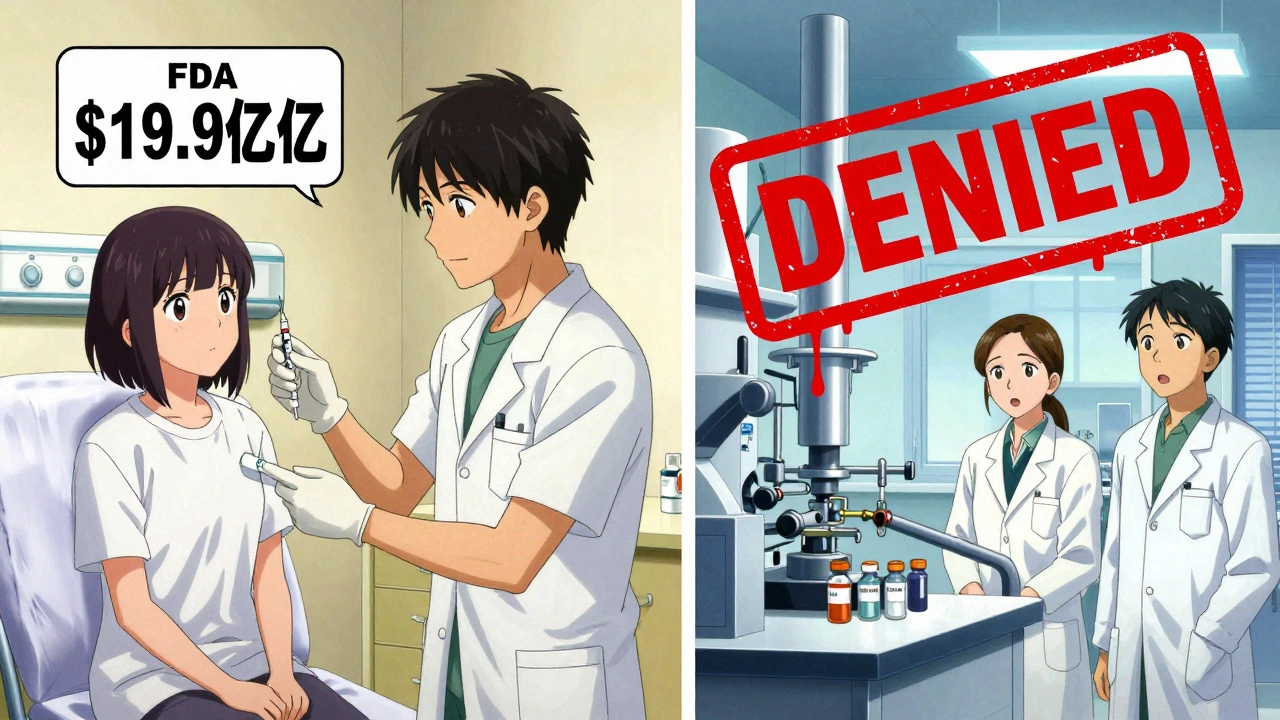
During those seven extra years, Humira became the best-selling drug in the world. In 2022 alone, it brought in $19.9 billion in U.S. sales. Generics were ready. Patients were ready. But the law said no.
By the time biosimilars finally arrived, Humira had already locked in its market share. Even today, many doctors still prescribe the brand version out of habit-even though the biosimilars are just as safe and cost 70% less.
Global Differences: U.S. vs. EU vs. Japan
The U.S. isn’t the only player. But its rules are the strictest.
In the European Union, the system is called ‘8+2+1’: 8 years of data exclusivity (no generics can use the originator’s clinical trial data), then 2 years of market exclusivity (no generics can be sold), and an optional 1-year extension for new indications. That’s 10-11 years total-less than the U.S.’s 12.
Japan gives 10 years of data exclusivity for new chemical drugs. That’s shorter than the U.S., but still long enough to delay competition.
And here’s the kicker: some countries don’t have exclusivity at all. Canada and Australia don’t grant data exclusivity for biologics. That’s why biosimilars entered those markets years before the U.S.
That’s why global pharma companies spend millions lobbying to keep U.S. rules tight. A drug approved in the U.S. with 12 years of exclusivity can be sold at premium prices for longer than anywhere else.
Why This Matters to Patients and Payers
Regulatory exclusivity directly impacts how much you pay for medicine. IQVIA found that drugs under exclusivity sell for 3.2 times the price of generics. That’s not inflation-it’s monopoly pricing.
For patients on chronic drugs like Humira, insulin, or rheumatoid arthritis treatments, that difference can be thousands of dollars a year. Insurance companies and Medicare pay the bulk, but the cost trickles down: higher premiums, higher taxes, higher out-of-pocket costs.
Public Citizen and other consumer groups argue that 12 years is too long for biologics. The development cost for these drugs is high, but they’re not inventing a new molecule-they’re copying a living cell. The FDA’s own data shows that the average innovator drug gets 12.3 years of combined patent and exclusivity protection. For biologics, it’s 14.7 years. That’s more than a decade without competition.
Meanwhile, generic manufacturers say the system is broken. One industry insider on Reddit said: ‘We spend $50 million developing a biosimilar, only to sit on it for 4 years waiting for exclusivity to expire. That’s a huge financial risk.’
What’s Changing? The Push for Reform
There’s growing pressure to shorten exclusivity periods.
In 2023, Congress introduced the ‘Affordable Prescriptions for Patients Act,’ which aimed to cut biologics exclusivity from 12 to 10 years. It didn’t pass-big pharma spent over $100 million lobbying against it.
The European Union is moving faster. Their 2023 pharmaceutical strategy proposes reducing data exclusivity from 8 to 6 years to speed up biosimilar entry.
The FDA itself says it’s reviewing exclusivity rules. Their 2024-2026 Drug Competition Action Plan explicitly says they want to ‘modernize exclusivity frameworks to better balance innovation with timely generic competition.’
Experts at Tufts Center for the Study of Drug Development predict that by 2030, the average total protection period for new drugs will drop from 12.3 years to 10.8 years. But biologics? They’re likely to keep their 12-year shield.
How Companies Use Exclusivity Strategically
Big pharma doesn’t just rely on exclusivity-they game it.
Some companies file for orphan drug status on common conditions just to get the 7-year clock. Others make tiny tweaks to existing drugs (like changing the pill shape or adding a flavor) to trigger 3-year exclusivity. This is called ‘evergreening’-and it’s legal.
Companies also use exclusivity to lock in long-term contracts with insurers and hospitals. Once a drug has 10+ years of guaranteed protection, they can raise prices with little fear of competition.
And because exclusivity is tied to FDA approval, not patents, companies can’t be sued out of it. Unlike patents, which can be invalidated in court, exclusivity is a government guarantee. That’s why regulatory affairs teams are now as critical as patent lawyers in pharma companies.
What You Need to Know
If you’re a patient, a caregiver, or someone paying for healthcare, here’s what matters:
- Just because a drug’s patent expired doesn’t mean a generic is coming. Check if it’s under regulatory exclusivity.
- Biologics are the biggest offenders. If you’re on Humira, Enbrel, or a similar drug, you’re likely paying more because of exclusivity, not patents.
- Orphan drugs are becoming more common. That’s good for rare disease patients-but bad for affordability if the drug is also used for common conditions.
- Regulatory exclusivity is not going away. But it’s under pressure. Watch for changes in 2025-2026.
The system was designed to encourage innovation. But today, it often looks more like a delay tactic. And while the law protects companies, it doesn’t always protect patients.
Is regulatory exclusivity the same as a patent?
No. Patents protect specific inventions-like a chemical structure or manufacturing method-and must be filed and enforced by the company. Regulatory exclusivity is granted automatically by the FDA upon drug approval and blocks generic applications for a fixed time, regardless of patents. You can have exclusivity without a patent, and vice versa.
Can a generic drug be approved before exclusivity ends?
Not for the same drug. During the exclusivity period, the FDA cannot accept or approve any application for a generic or biosimilar version of the protected drug. Even if the generic is ready, the FDA will reject it until the exclusivity clock runs out.
Why do biologics get 12 years of exclusivity but small-molecule drugs only get 5?
Biologics are made from living cells and are much harder to replicate than small-molecule drugs. The FDA and Congress decided that the complexity and cost of developing biosimilars warranted longer protection. Critics argue this is outdated-many biosimilars are now approved in Europe and Canada with shorter exclusivity periods.
Does regulatory exclusivity apply outside the U.S.?
Yes, but differently. The EU uses an ‘8+2+1’ system (up to 11 years), Japan gives 10 years for new chemical drugs, and some countries like Canada have no data exclusivity for biologics. The U.S. has the longest and most restrictive system.
How can I find out if a drug is still under exclusivity?
The FDA’s Purple Book lists all biologics and their exclusivity status. For small-molecule drugs, you can check the Orange Book for patents, but exclusivity isn’t always listed clearly. Third-party tools like DrugPatentWatch or LexisNexis offer detailed exclusivity tracking for professionals.





Pavan Kankala December 5, 2025
They say it's to encourage innovation, but let's be real-this is just Big Pharma's way of locking in monopoly profits while the rest of us bleed out paying $700 for a pill that costs $2 to make. The FDA isn't protecting patients; it's protecting shareholders. And don't even get me started on orphan drug abuse-companies are slapping 'rare disease' labels on diabetes meds now. It's not regulation, it's legalized robbery.
Martyn Stuart December 5, 2025
It's worth noting that regulatory exclusivity isn't inherently evil-it was designed to fix a real problem: companies investing millions only to lose patent protection before approval. But the system has been warped. The 12-year biologics exclusivity? Overkill. The 3-year extension for trivial formulation tweaks? Abuse. We need targeted reform-not abolition. The EU's 8+2+1 model shows balance is possible.
Jessica Baydowicz December 6, 2025
OMG I just realized I’ve been paying $1,200 a month for my biologic and I had NO IDEA it was just sitting there because of some FDA clock, not a patent?!?! This is wild. I thought the high price was just ‘market forces’-but now I see it’s literally a government-backed monopoly. I’m so mad I could scream. Also-why isn’t this on the news?!?!
Shofner Lehto December 7, 2025
The Humira case is textbook. Seven years after patent expiry, no competition. $20 billion in revenue. Zero innovation. Just pricing power. The FDA’s role here isn’t regulatory-it’s custodial. They’re guarding a cash cow, not ensuring public health. And the fact that doctors still prescribe the brand out of habit? That’s not clinical judgment-that’s inertia fueled by marketing and fear of change.
Karl Barrett December 8, 2025
Let’s unpack the epistemological framework here: regulatory exclusivity functions as a state-sanctioned rent-seeking mechanism disguised as innovation incentive. The implicit social contract-‘we grant you exclusivity so you’ll innovate’-has been violated. The marginal cost of biosimilar development is now orders of magnitude lower than in 2009, yet the exclusivity period remains static. This isn’t economic policy; it’s institutional capture. The FDA’s 2024-2026 Action Plan is a performative gesture unless it includes sunset clauses and anti-evergreening statutes.
Rachel Bonaparte December 9, 2025
Think about this: what if the entire pharmaceutical system is just a front for a shadow government? They need you dependent on these drugs-so they create exclusivity to keep prices high, then push you into debt, then sell you insurance that doesn’t cover it, then blame you for being unhealthy. The 12-year biologics rule? That’s not science-it’s control. And the ‘pediatric extension’? That’s how they lock in future generations. Wake up. This isn’t healthcare-it’s a long con.
Michael Feldstein December 11, 2025
One thing people don’t talk about: the financial risk for biosimilar makers. $50 million spent, then you sit for 4 years waiting for exclusivity to expire? That’s not a business model-it’s a gamble with patients’ lives on the line. If we shorten exclusivity, we need to also create funding mechanisms or risk-sharing pools for these companies. Otherwise, you’re just replacing one monopoly with another: no competition at all.
Alex Piddington December 11, 2025
Regulatory exclusivity is a necessary component of the drug approval ecosystem. Without it, companies would have no incentive to invest in high-risk, high-cost development. The 12-year period for biologics reflects the complexity of manufacturing, not corporate greed. While reform may be warranted, it must be evidence-based and not driven by emotional appeals to ‘affordability.’ The public health benefit of innovation cannot be underestimated.
Libby Rees December 12, 2025
Canada doesn't have biologics exclusivity. Biosimilars arrived there years ago. Prices dropped. Patients got cheaper meds. No collapse of innovation. No shortage of new drugs. The U.S. system isn't unique because it's better. It's unique because it's the most profitable for corporations. That's the real story.
Dematteo Lasonya December 13, 2025
I’m a nurse who’s seen patients skip doses because they can’t afford Humira. I’ve watched people cry because their insurance denied the brand. I don’t care about patents or exclusivity dates-I care that someone’s life is being held hostage by a pricing algorithm. This isn’t policy. It’s cruelty dressed up as law.
Rudy Van den Boogaert December 14, 2025
My cousin works at a biosimilar startup. They’ve got a product ready to go, but they’re stuck waiting for exclusivity to expire. Meanwhile, the brand drug’s price went up 15% last year. It’s insane. We need to fix this, but not by cutting innovation-by cutting the unnecessary delays. Maybe cap exclusivity at 10 years for biologics? That still gives them time to recoup costs, but not 12 years of monopoly.
Gillian Watson December 16, 2025
Just read the FDA’s Purple Book. Some drugs have 14 years of protection. That’s longer than most college degrees. And the worst part? The companies didn’t even invent anything new-they just tweaked the delivery system. This isn’t innovation. It’s legal gaming. We need transparency. And we need to stop pretending this is about science.