Alcohol Withdrawal: Symptoms, Risks, and What Helps
When someone who drinks heavily every day suddenly stops, their body goes into alcohol withdrawal, a physical and psychological reaction to the absence of alcohol after prolonged use. Also known as alcohol detox, it’s not just feeling shaky or anxious—it’s a medical event that can turn life-threatening without proper care.
Alcohol affects your brain’s GABA and glutamate systems. Over time, your brain adapts to keep functioning with alcohol in your system. When you quit, those systems go haywire. That’s why symptoms like tremors, sweating, nausea, and insomnia show up within hours. For some, it gets worse: hallucinations, seizures, or delirium tremens, a severe form of alcohol withdrawal marked by confusion, rapid heartbeat, and high blood pressure. This is a medical emergency. People with long-term heavy drinking, past withdrawal episodes, or liver disease are at highest risk.
Not everyone needs hospital care, but knowing the difference between mild and dangerous symptoms saves lives. Mild cases might just need rest, hydration, and B vitamins. Severe cases require benzodiazepines, medications that calm the overactive nervous system during withdrawal. These are the gold standard for preventing seizures and delirium. Other treatments like magnesium, thiamine, or beta-blockers help too—but only under supervision. Trying to tough it out alone is risky. Even if you’ve quit before, each withdrawal can be worse.
Alcohol dependence doesn’t always mean you’re homeless or unemployed. It could be someone who drinks two glasses of wine every night to sleep, or a person who needs a drink to stop their hands from shaking. Withdrawal isn’t about willpower—it’s about brain chemistry. That’s why support matters. Whether it’s a doctor, a rehab center, or a trusted friend, having someone to help you through the first 72 hours makes all the difference.
Below, you’ll find real-world guides on managing withdrawal symptoms, understanding what medications work, and how to avoid the most common mistakes people make when quitting. These aren’t theoretical tips—they’re based on what actually helps people get through this safely.
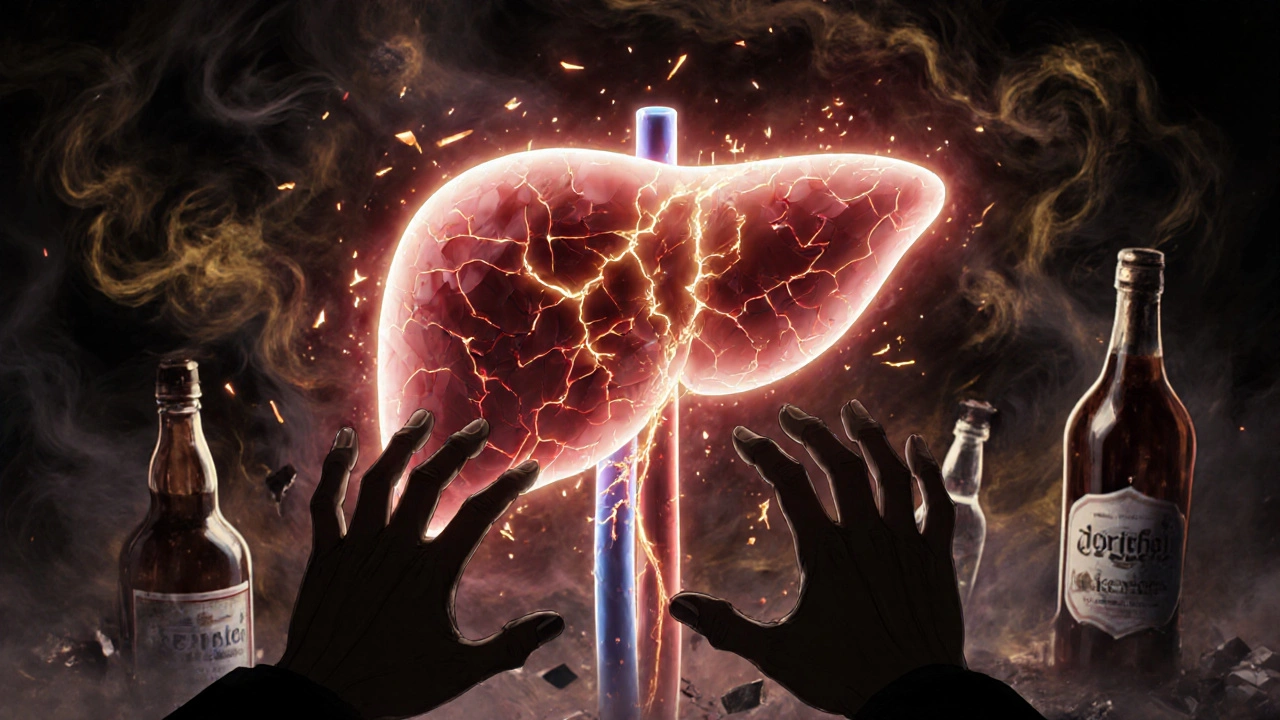
Alcohol Withdrawal and Liver Health: Safe Detox Strategies
Learn how to safely detox from alcohol while protecting your liver. Discover medical strategies, nutritional support, and what to avoid during withdrawal to support liver recovery and prevent serious complications.