Lymphatic Filariasis: Facts and What to Watch For
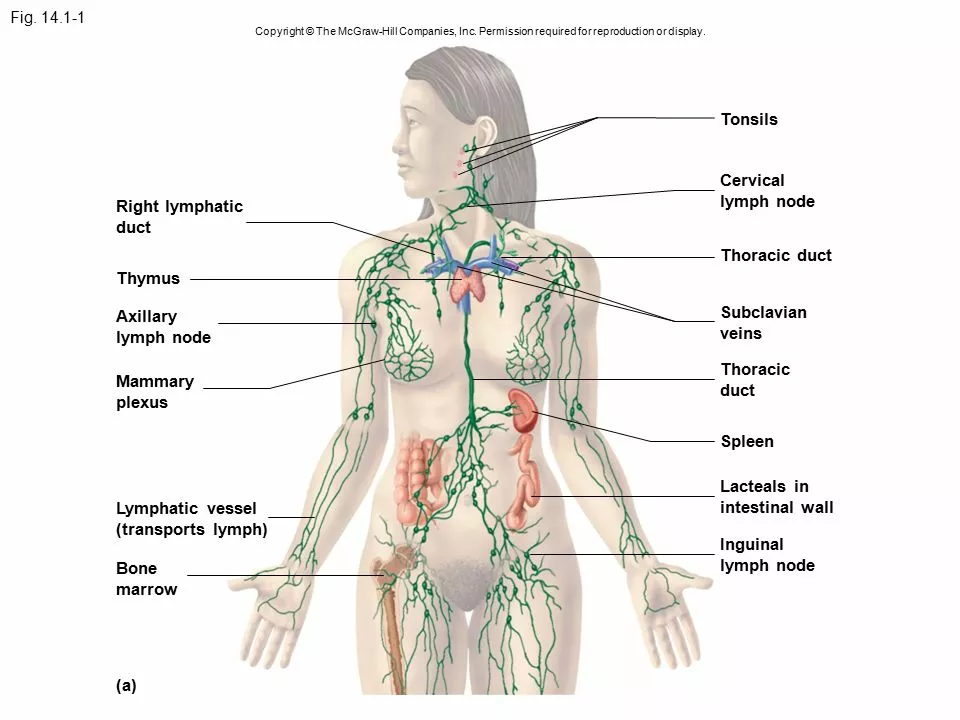
Lymphatic filariasis, often called elephantiasis, isn't something you hear about every day—but it's a big health issue in many tropical regions around the world. This disease is caused by tiny worms spread by mosquitoes. They get into your lymphatic system, which is part of your immune system, and cause blockages that lead to swelling, especially in the legs, arms, or genitals.
Early on, the infection doesn't always cause obvious symptoms, which makes it tricky. Some people might feel feverish or have swollen lymph nodes. But the real problem happens over time when the swelling gets severe and painful. This can lead to permanent disability and social stigma for those affected.
How Do You Get Lymphatic Filariasis?
The worms that cause lymphatic filariasis rely on mosquitoes to travel from person to person. When a mosquito bites someone who already has these worms, it picks up larvae and later passes them to the next person it bites. So, areas with lots of mosquitoes and poor mosquito control are hotspots for this disease.
Keeping mosquitoes away with nets, insect repellents, and reducing standing water around homes can help cut down on infections. In some places, health officials offer mass drug administration programs, giving medicines that kill the worms and stop the disease from spreading.
Why Should You Care?
Lymphatic filariasis affects millions and leads to serious life changes for those who get it. It's more than just swelling; the condition can cause pain, difficulty moving, and emotional distress. Knowing what it is and how it's transmitted can help you stay protected, especially if you travel to or live in at-risk areas. Keep an eye out for swelling that doesn't go away and talk to a doctor if you think you might be at risk.
Staying informed, using mosquito protection, and supporting local prevention efforts make a real difference in fighting this disease. While there's no quick fix for advanced cases, early detection and proper treatment can prevent long-term problems and improve quality of life.
The role of albendazole in the eradication of lymphatic filariasis
As a copywriter, I've recently been researching the role of albendazole in the eradication of lymphatic filariasis, and I'd like to share some key points with you. Lymphatic filariasis, also known as elephantiasis, is a parasitic infection that affects millions of people worldwide, causing severe disability and social stigma. One of the most effective ways to combat this disease is by using the drug albendazole. Albendazole is an anti-parasitic medication that works by stopping the worms from multiplying and spreading inside the body. When combined with other medications like diethylcarbamazine and ivermectin, it forms a powerful weapon against lymphatic filariasis. Mass drug administration (MDA) programs have been implemented in affected countries, providing these medications to entire populations at risk. Since the introduction of these programs and the use of albendazole, we've seen a significant decrease in the prevalence of lymphatic filariasis. In fact, several countries have already eliminated the disease as a public health problem. It's clear that albendazole plays a crucial role in the global fight against this debilitating disease, and with continued efforts, we may finally see the eradication of lymphatic filariasis in the near future.