Dutasteride: What It Is and Why It Matters
When dealing with Dutasteride, a prescription medication that blocks the conversion of testosterone to dihydrotestosterone (DHT). Also known as Avodart, it is commonly used to treat enlarged prostate and certain types of hair loss. In simple terms, Dutasteride helps lower DHT levels, which can shrink prostate tissue and slow hair thinning.
One of the core groups 5-alpha-reductase inhibitors, drugs that inhibit the enzyme responsible for producing DHT includes Dutasteride. This class also covers medications like finasteride. By reducing DHT, these inhibitors tackle conditions driven by the hormone, such as prostate enlargement and androgenic alopecia. The link is clear: Dutasteride is a type of 5-alpha-reductase inhibitor, and the inhibitor’s action reduces DHT production.
For men struggling with Benign Prostatic Hyperplasia (BPH), a non‑cancerous increase in prostate size that can cause urinary trouble, Dutasteride offers a medical option that can shrink the gland and improve flow. Doctors often recommend it when symptoms like frequent nighttime trips or weak stream affect quality of life. The treatment pathway shows this chain: BPH symptoms are linked to high DHT levels, so targeting DHT with Dutasteride can relieve those symptoms.
Beyond the prostate, many patients notice its effect on hair loss, specifically male‑pattern baldness caused by excess DHT on scalp follicles. By cutting DHT, Dutasteride can halt the miniaturization of hair follicles, leading to thicker hair over time. This makes it a powerful tool for those who have not responded well to topical treatments.
When you compare Dutasteride to its close cousin finasteride, another 5‑alpha‑reductase inhibitor approved for BPH and hair loss, the biggest difference lies in enzyme coverage. Dutasteride blocks both type I and type II isoenzymes, while finasteride mainly targets type II. This broader inhibition often means faster DHT reduction, but it also brings a slightly higher chance of side effects.
Monitoring is a must. Patients on Dutasteride usually have their PSA (Prostate‑Specific Antigen), a blood marker used to screen for prostate issues checked every few months. Lowered PSA can be a sign the drug is working, but it also masks potential early signs of prostate cancer, a malignant growth in the prostate gland. Doctors adjust screening protocols accordingly.
Side effects tend to center around sexual function: reduced libido, erectile difficulties, and occasional ejaculatory issues. Most men report mild symptoms that improve after a few weeks, yet a small group experiences persistent changes. Understanding this risk helps set realistic expectations before starting therapy.
Drug interactions matter too. Dutasteride is metabolized by the liver enzyme CYP3A4, so medications that inhibit or induce this pathway (like certain antifungals or anticonvulsants) can alter its levels. Sharing a full medication list with your provider prevents unwanted surprises.
Cost wise, generic Dutasteride has become more affordable, especially when ordered through reputable online pharmacies that verify prescriptions. Prices vary by country, but many patients find a 30‑day supply for under $20, making long‑term treatment feasible.
Practical tips for anyone considering Dutasteride: get a baseline PSA, discuss sexual side effect concerns, set a reminder for regular follow‑up labs, and keep an eye on any new medications. If you notice unexpected changes, contact your doctor promptly—early adjustments can keep therapy effective and safe.
Below you’ll find a curated list of articles that dive deeper into buying safe generics, comparing medications, and managing related health conditions. Whether you’re looking for price guides, safety checklists, or side‑effect breakdowns, the posts ahead cover the whole spectrum of what you need to know about Dutasteride and its role in men’s health.
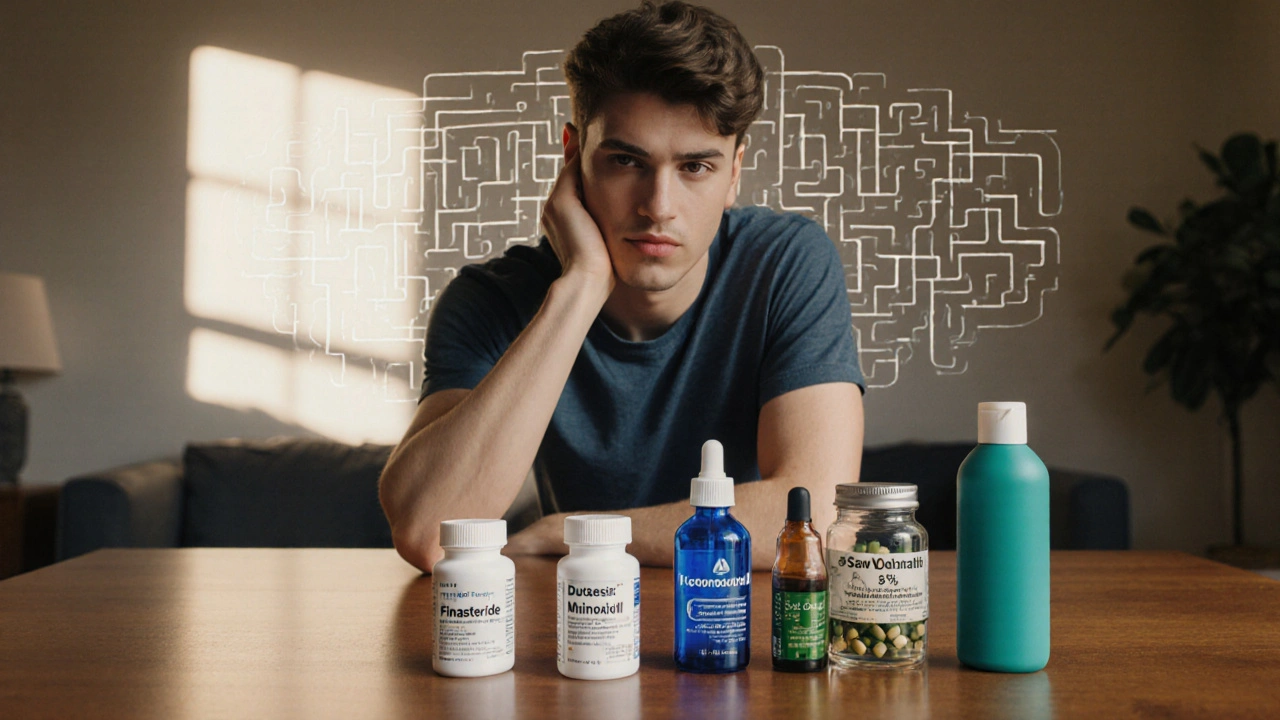
Finasteride vs Alternatives: Which Hair Loss Treatment Works Best?
A detailed comparison of Finasteride with Dutasteride, Minoxidil, saw palmetto, and other hair loss treatments, covering effectiveness, side effects, and how to choose the right option.