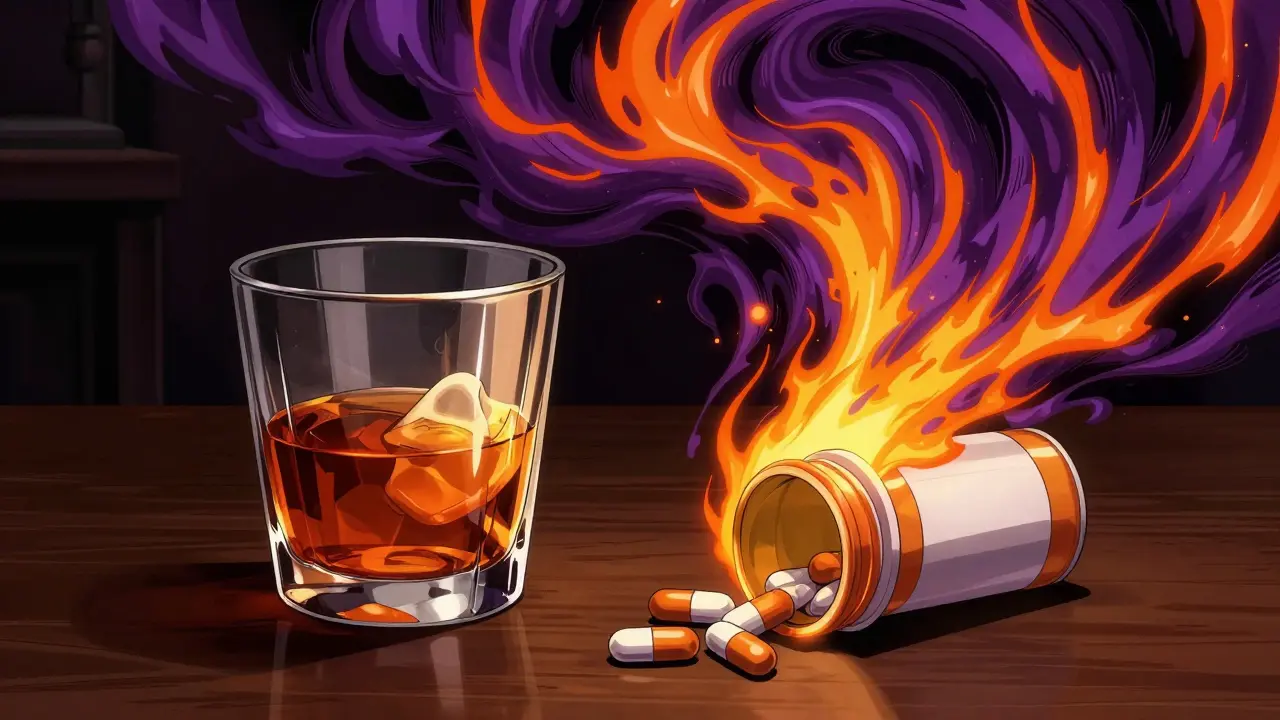
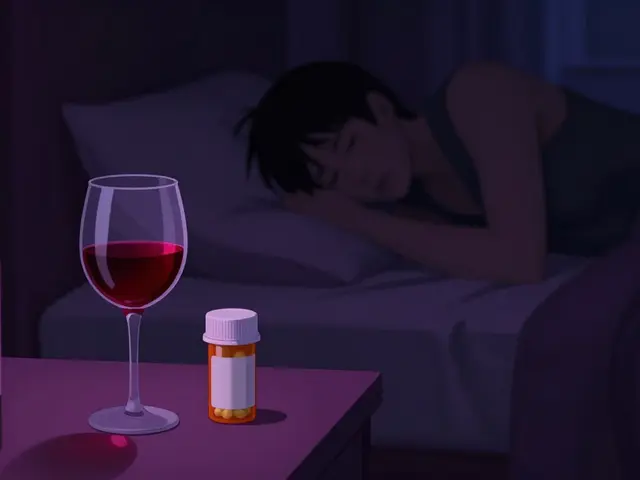
Mixing a few drinks with a prescription painkiller might seem like a manageable risk, but in reality, it creates a pharmacological "perfect storm." When you combine alcohol and opioids, the result isn't just a double dose of sedation-it is a synergistic reaction where the substances amplify each other's power to shut down your central nervous system. This combination is one of the most lethal polysubstance pairings known to medicine, often leading to fatal respiratory failure even at doses that might not be lethal on their own.
Why the Combination Is So Deadly
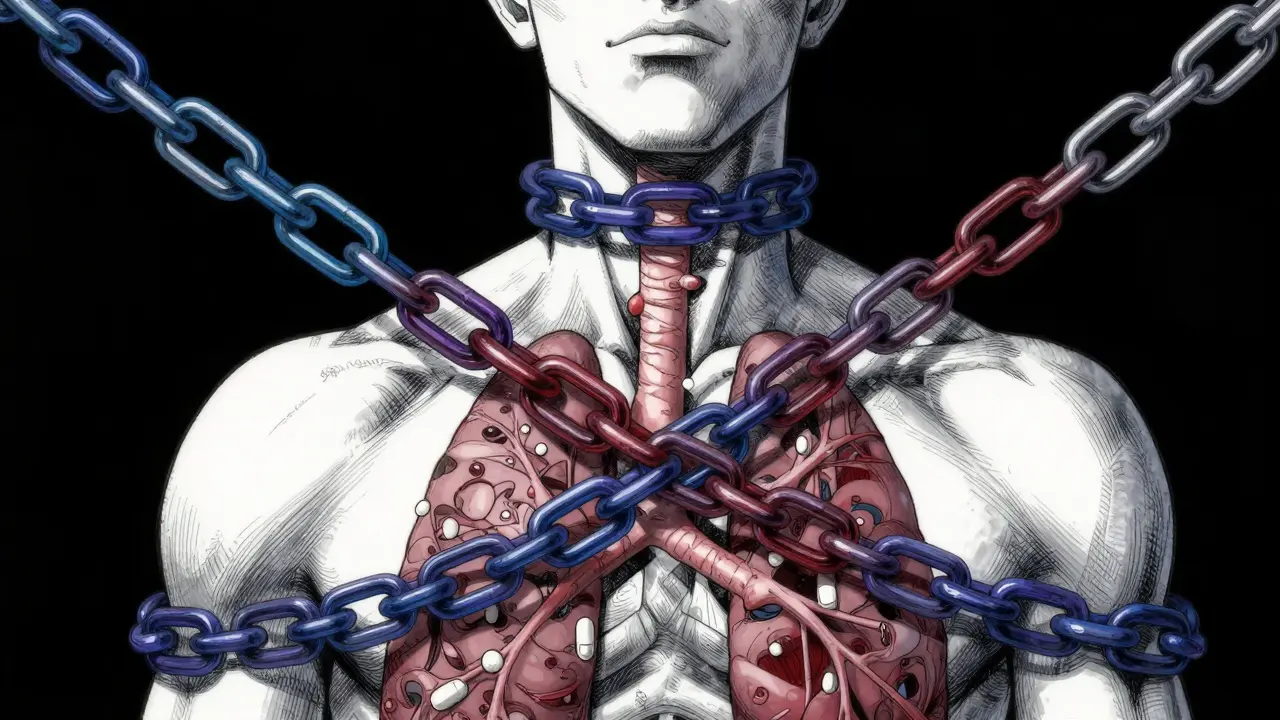
Both alcohol and opioids act as CNS depressants, meaning they slow down the brain's activity. However, they don't just add up (1+1=2); they multiply (1+1=5). This is called synergistic respiratory depression. Your brain has a natural trigger to make you breathe when carbon dioxide levels rise. Opioids dull this trigger, and alcohol further suppresses the brain's ability to signal the lungs to work.
To put this into perspective, research published in the Journal of Clinical Psychopharmacology showed that while 20mg of oxycodone alone reduced respiration by 28%, adding enough alcohol to reach a 0.1% blood alcohol concentration (the legal driving limit) dropped respiration by an additional 19%. For many, especially older adults, this leads to apneic episodes-long pauses in breathing that can result in brain damage or death.
The Danger Across Different Opioid Types
Not all opioids interact with alcohol in the same way, but the risk of death is present across the board. The FDA issued a black-box warning in 2016 specifically to alert patients and doctors about this danger. The risk varies depending on whether the substance is prescription, synthetic, or an illicit drug.
| Opioid Type | Alcohol Co-involvement Trend | Key Examples | Risk Level |
|---|---|---|---|
| Synthetic Opioids | Increasing (9% to 17% over a decade) | Fentanyl | Extreme |
| Illicit Opioids | Fluctuating (13-20%) | Heroin | High |
| Prescription Opioids | Stable (10-15%) | Oxycodone, Hydrocodone | High |
The Triple Threat: Adding Benzodiazepines
The danger spikes even further when a third substance enters the mix. Many people taking opioids for chronic pain are also prescribed benzodiazepines (like Xanax or Valium) for anxiety or sleep. When you add alcohol to this cocktail, you create a "triple threat." According to NIDA, nearly 14% of opioid overdose deaths also involved benzodiazepines. This combination essentially paralyzes the respiratory drive, making it incredibly difficult for the body to wake up or breathe even if the person is nudged or shaken.
Even those in recovery programs aren't exempt. Patients on methadone maintenance therapy who consume alcohol have been found to have a 4.6 times higher risk of overdose death compared to those who abstain from alcohol. This shows that the risk remains high even when opioids are administered in a controlled, therapeutic setting.
Recognizing the Signs of a Combined Overdose
Because alcohol also causes sedation, it can be easy for bystanders to mistake an opioid overdose for someone who is just "too drunk." However, the signs of a polysubstance overdose are distinct and require immediate action.
- Pinpoint Pupils: While alcohol might make pupils sluggish, opioids cause them to shrink to tiny dots.
- Gurgling Sounds: Often called the "death rattle," this happens when the airway is partially blocked.
- Blue or Gray Skin: Cyanosis occurs in the lips and fingertips because the blood isn't getting enough oxygen.
- Unresponsiveness: The person cannot be woken up by shouting or firm rubbing of the sternum (chest bone).
- Extremely Slow Breathing: Breathing may drop to just a few sips of air per minute or stop entirely.
Harm Reduction and Life-Saving Steps
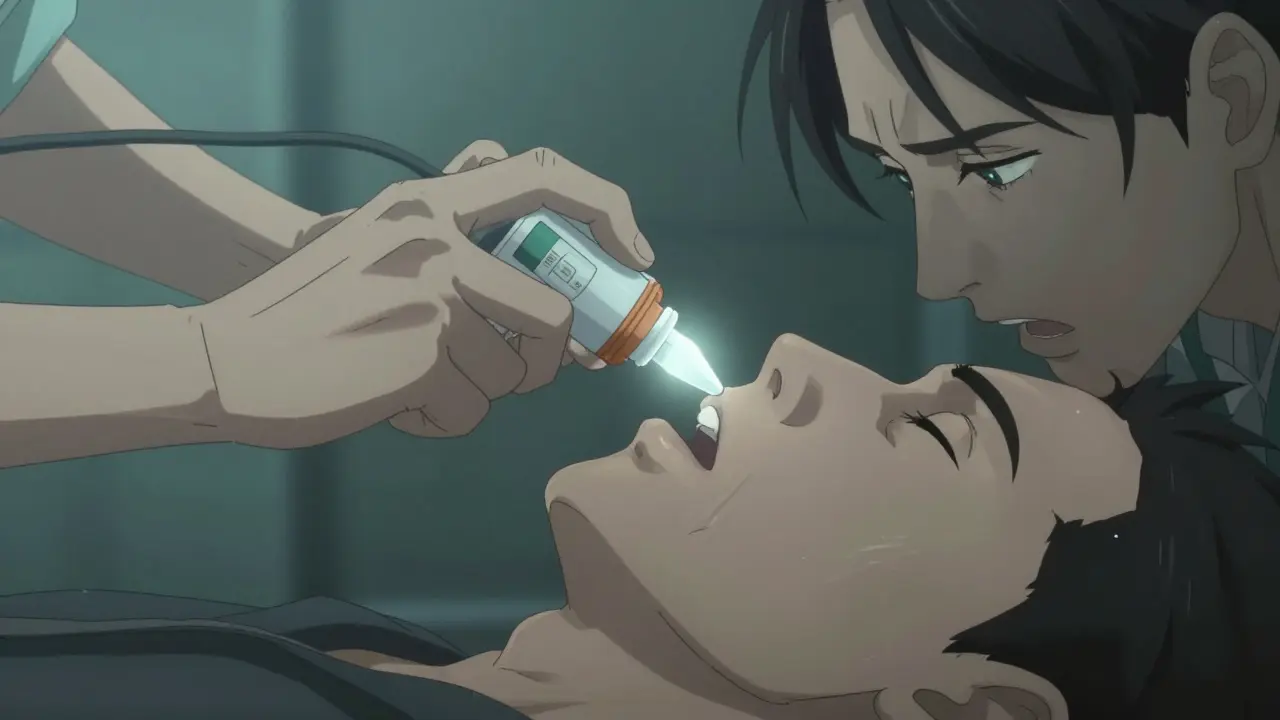
If you or a loved one are using these substances, the most important tool you can have is Naloxone (Narcan). Naloxone is an opioid antagonist that kicks the opioids off the brain's receptors, temporarily reversing the overdose. While it does not reverse the effects of alcohol, it can stop the opioid-induced respiratory arrest, giving the person time to recover from the alcohol sedation.
Field data from the Massachusetts Department of Public Health highlights the importance of this tool, noting that 23% of naloxone reversals in 2022 involved polysubstance use including alcohol. If you suspect an overdose, the process is simple: administer naloxone, call emergency services, and perform rescue breathing if trained. Do not try to "wake them up" with a cold shower or by inducing vomiting, as this can lead to aspiration (choking on vomit) and further block the airway.
Prevention and Medical Guidance
The best way to avoid this risk is through strict avoidance, but for those struggling with substance use, screening is a vital first step. The American Society of Addiction Medicine (ASAM) now requires physicians to screen for alcohol use disorder before prescribing opioids. This is critical because people with an existing alcohol use disorder have a 3.2 times higher risk of an opioid overdose.
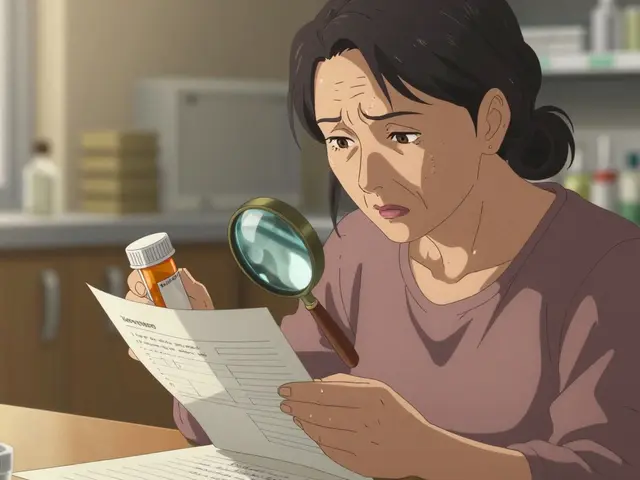
If you are prescribed a medication like Vicodin or OxyContin, read the patient education materials carefully. The FDA REMS (Risk Evaluation and Mitigation Strategy) ensures that all manufacturers provide clear warnings about alcohol interactions. If you find it impossible to avoid alcohol while on these medications, speak with your doctor about alternative pain management or integrated treatment programs that address both alcohol and opioid dependencies simultaneously.
Can I have one glass of wine with my pain medication?
Even a small amount of alcohol can be dangerous. Because the interaction is synergistic, there is no "safe" amount when taking potent opioids. The combination can cause unexpected sedation and a dangerous drop in breathing rate, even if you have taken the medication for a long time.
Does Naloxone work if the person has also drank alcohol?
Yes. Naloxone specifically reverses the effects of the opioids. While it won't "sober up" the person from the alcohol, removing the opioid's suppressive effect on the respiratory system is often enough to restart breathing and save a life.
Why is fentanyl more dangerous when mixed with alcohol?
Fentanyl is a synthetic opioid that is significantly more potent than morphine or heroin. Because it has such a high affinity for the brain's opioid receptors, combining it with another depressant like alcohol leads to a much faster and more profound shutdown of the central nervous system.
What is a "black-box warning"?
A black-box warning is the most serious type of warning issued by the FDA. It appears on the prescription drug packaging to alert health professionals and patients to risks that may lead to serious injury or death, such as the risk of respiratory failure when mixing opioids and alcohol.
Can alcohol make an opioid overdose happen at a lower dose?
Absolutely. Alcohol lowers the threshold for toxicity. A dose of an opioid that you might have tolerated previously could become lethal if your system is already depressed by alcohol.
Next Steps for Safety
Depending on your situation, here is how to handle the risk:
- For Patients: If you are taking prescribed opioids, avoid all alcohol consumption. If you have a history of alcohol use, inform your provider so they can monitor you more closely.
- For Caregivers: Keep a kit of naloxone in the home. Ensure you know how to use it and that other family members are aware of its location.
- For those in Recovery: If you are using methadone or buprenorphine, be aware that alcohol significantly increases your risk of a fatal overdose. Seek integrated support for both substances.






Sam Hayes April 6, 2026
it is a good idea to keep narcan in your car or purse even if you dont use opioids yourself because you never know when you might run into someone in trouble
Joseph Rutakangwa April 7, 2026
stay safe everyone
simran kaur April 8, 2026
Funny how the FDA suddenly cares about this now. I bet they're just pushing these warnings to cover their own backs because the pharmaceutical complexes are basically just state-sponsored cartels. They want us terrified of the mix so we rely even more on their curated "integrated treatment programs" which are just another way to keep you paying a subscription for your own sanity. It is all a curated narrative to keep the masses docile and dependent on the system. Why trust a black-box warning from the same people who told us these pills weren't addictive in the 90s. Absolutely laughable.
Brian Shiroma April 8, 2026
Oh wow, so drinking and taking pills is bad. Thanks for the groundbreaking revelation. I'm sure everyone was just waiting for a long article to tell them that shutting down your lungs is a bad move. Truly a masterpiece of stating the obvious.
Will Baker April 9, 2026
I mean, who actually follows these guidelines anyway? Most people just wing it until they stop breathing. It's almost like people enjoy the thrill of playing Russian roulette with their central nervous system. Maybe the "triple threat" is just a fancy way of saying you're trying too hard to nap forever.
Mark Zhang April 9, 2026
It really is scary how fast things can spiral. If anyone here is struggling with this, please know you aren't alone and reaching out for help is the strongest thing you can do.
Aysha Hind April 11, 2026
The sheer audacity of some people to treat their bodies like a cheap chemistry set is just mind-boggling. We're talking about a pharmacological apocalypse in your veins, and some of you are probably thinking "maybe just one glass of merlot." Get a grip. Your brain isn't a playground, it's a fragile biological machine that you're treating like a garbage disposal. It's a kaleidoscopic disaster waiting to happen and honestly, the lack of basic survival instinct in modern society is just a shimmering void of stupidity.
Joey Petelle April 12, 2026
Imagine being so intellectually stunted that you need a chart to understand that mixing toxins is a bad idea. It's almost poetic how the American public needs a manual for basic existence. I suppose in this wasteland of a culture, we must spell out "don't stop breathing" in bold letters for the plebeians to grasp. Truly, the pinnacle of our civilization is the FDA's black-box warning for the cognitively impaired.
Jenna Carpenter April 13, 2026
honestly people just dont lissen to their doctors and then act suprised when things go wrong. its just pure lazyness in the head
Rachelle Z April 15, 2026
Wow, such a scary topic!!! 😱 Maybe we should all just hug it out and hope for the best??? 💖✨ Truly a tragedy that we even have to discuss this... but hey, let's all just stay positive and ignore the looming void of respiratory failure!!!! 😂🌈
Dee McDonald April 16, 2026
WE NEED MORE NARCAN IN EVERY SINGLE HOME RIGHT NOW! This is not a drill! Why are we not screaming this from the rooftops? If you have a family member on these meds, go get a kit today! Don't wait for an emergency to realize you're unprepared! Get active, get informed, and save a life!
Hope Azzaratta-Rubyhawk April 16, 2026
It is absolutely imperative that individuals exercise the utmost discipline regarding their medication schedules. Failure to adhere to these safety protocols is not merely a mistake; it is an unacceptable disregard for the sanctity of one's own life. We must demand a higher standard of personal responsibility and accountability in the management of substance use to ensure the safety of the community!