Hatch-Waxman Act: How It Shapes Generic Drugs and Drug Prices in the US
When you pick up a generic version of your favorite medication, you’re seeing the result of the Hatch-Waxman Act, a 1984 U.S. law that created a legal path for generic drugs to enter the market without repeating expensive clinical trials. Also known as the Drug Price Competition and Patent Term Restoration Act, it’s the reason your $50 brand-name pill now costs $5 as a generic.
This law didn’t just make drugs cheaper—it rewrote the rules for how drug companies protect their inventions and how others can legally copy them. Before Hatch-Waxman, generic makers had to prove safety and effectiveness from scratch, which took years and millions of dollars. The Act let them prove their version works the same as the brand-name drug using a simpler process called an Abbreviated New Drug Application (ANDA), a streamlined FDA submission that relies on the original drug’s data. At the same time, it gave brand-name companies extra patent time to make up for delays in FDA approval. That balance—encouraging innovation while speeding up competition—is why you now have dozens of generic options for blood pressure meds, antidepressants, and antibiotics.
The Act also created the Orange Book, the official FDA list of approved drugs and their patent and exclusivity status. Pharmacists and doctors use it daily to know which generics can legally replace a brand-name drug. This transparency keeps prices low and gives you real choices. But it’s not perfect. Some companies abuse patent extensions or file lawsuits to delay generics—something the Act didn’t fully prevent. Still, since 1984, generics have saved U.S. patients over $3 trillion.
What you’ll find in the posts below are real-world examples of how this law plays out in your medicine cabinet. From comparisons of generic lisinopril to brand-name versions, to how drug patents affect access to treatments like Symbicort or Rybelsus, every article ties back to the same system. You’ll see how the Hatch-Waxman Act shapes everything from your monthly pill cost to whether a new drug even makes it to market. This isn’t just policy—it’s your prescription history, written into law.
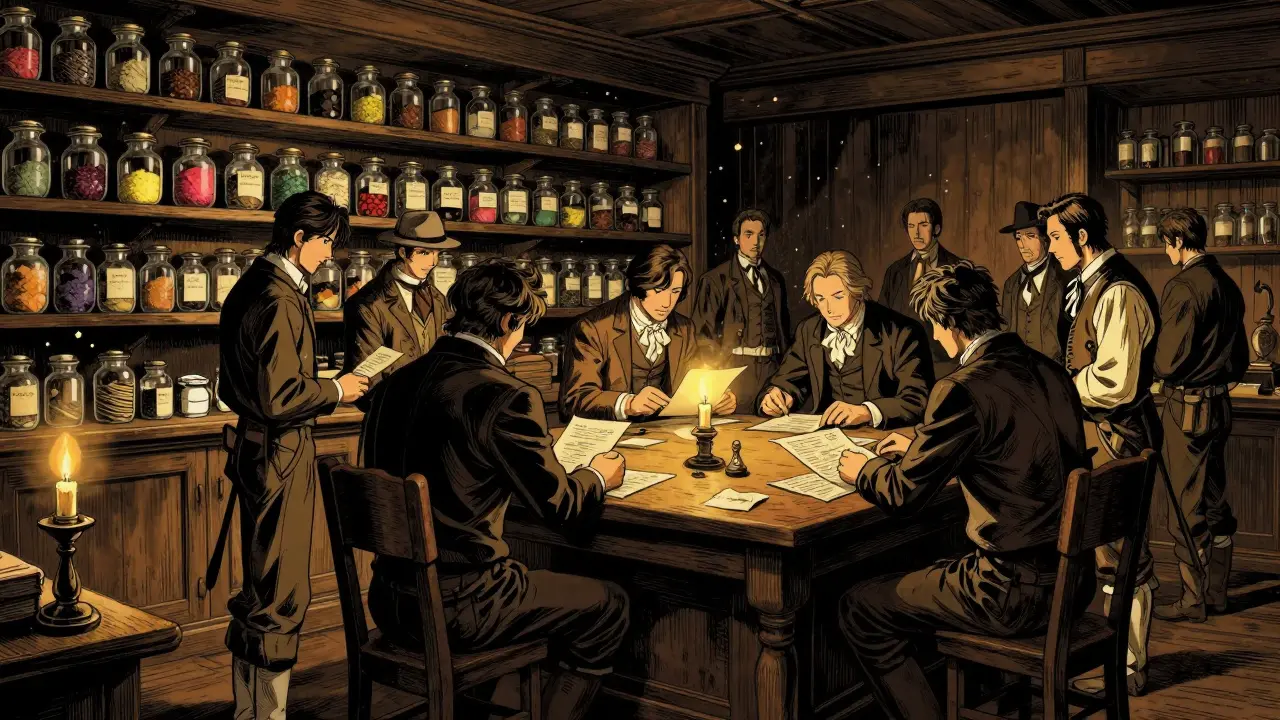
History of Generic Drugs in the United States: Timeline, Laws, and Impact
Explore the evolution of generic drugs in the US, from the early days of the U.S. Pharmacopeia to the game-changing Hatch-Waxman Act and modern challenges.
Patent Term Restoration (PTE): How Drug Patents Get Extra Life After FDA Delays
Patent Term Restoration (PTE) gives drug makers extra patent life to make up for FDA approval delays. Learn how it works, who qualifies, and why it’s controversial.
Federal Circuit Court: Authority on Pharmaceutical Patent Cases
The Federal Circuit Court holds exclusive authority over U.S. pharmaceutical patent cases, shaping drug pricing, generic entry, and patent strategy through landmark rulings on ANDA litigation, dosing patents, and jurisdiction. Its decisions directly impact billions in drug sales and patient access.
Cost Comparison: Authorized Generics vs First-to-File Generics
Authorized generics and first-to-file generics both lower drug costs, but authorized generics drive prices down faster by creating competition during the first-to-file's exclusivity period - saving consumers and the healthcare system millions.