Ringworm: Causes, Treatments, and What Really Works
When you see a red, itchy, circular rash on your skin, it’s often called ringworm, a contagious fungal infection that affects the skin, scalp, or nails. Also known as tinea, it’s not caused by worms at all—it’s a fungus that thrives in warm, moist areas. It can show up on your arm, leg, scalp, or even between your toes, where it’s often called athlete’s foot, a common form of ringworm that targets the feet. Kids get it from sharing towels or pets, adults catch it from gyms or locker rooms, and it spreads fast if you don’t treat it early.
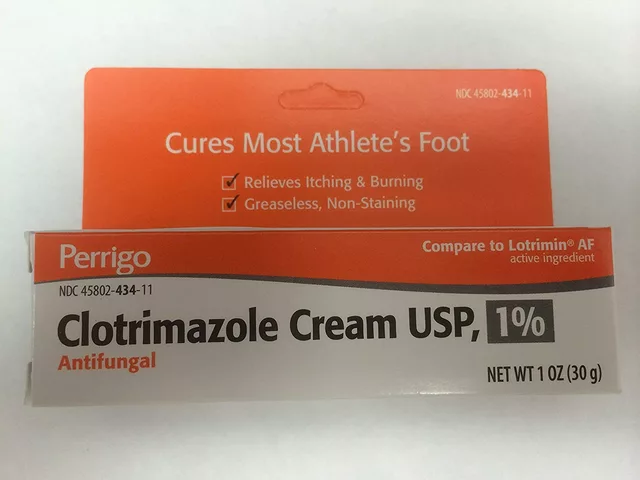
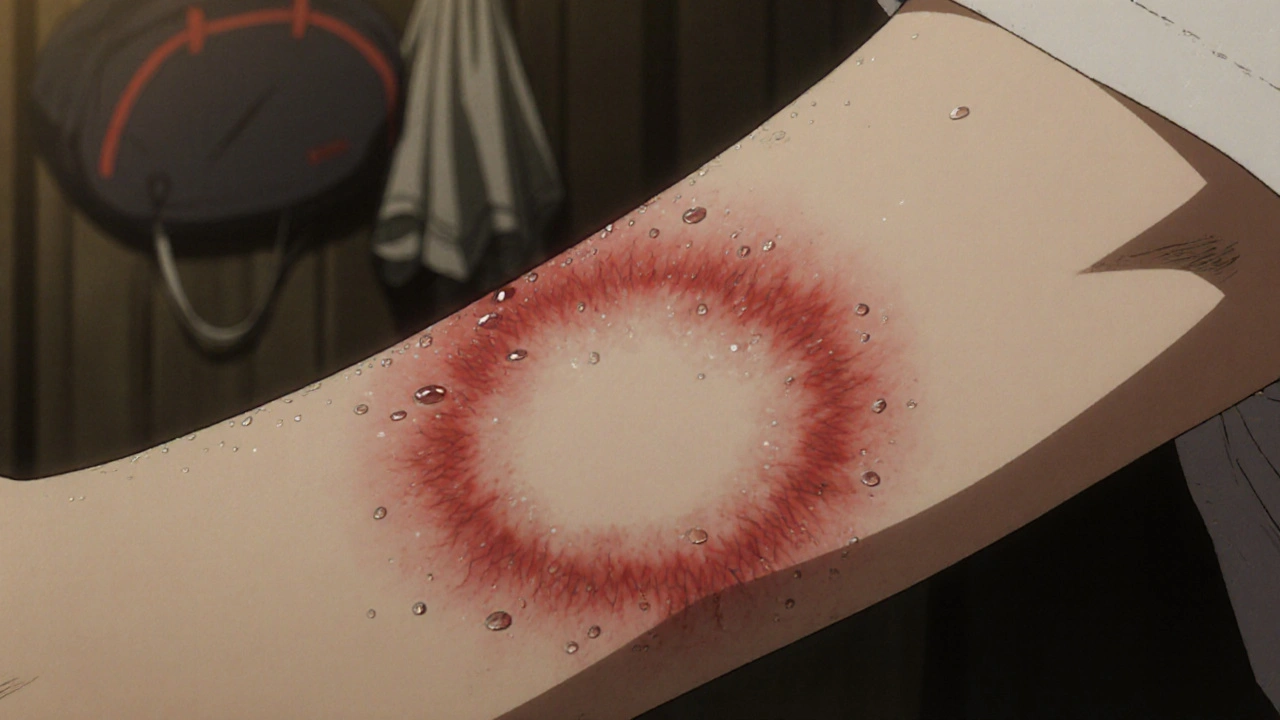
Ringworm doesn’t just look weird—it can be annoying. The rash often has a raised, scaly border that looks like a ring, with clearer skin in the middle. It itches, sometimes burns, and can spread to other parts of your body if you scratch. It’s not dangerous, but ignoring it makes it worse. Over-the-counter antifungal creams like clotrimazole or terbinafine work for most cases if you use them daily for 2 to 4 weeks. If it’s on your scalp or doesn’t improve after a month, you’ll need oral medication from a doctor. Some people try home remedies like tea tree oil or coconut oil, but there’s little proof they work as well as proven antifungals.
What makes ringworm tricky is how easily it hides. You might not realize your dog has it until you start itching. Or you think your child’s flaky scalp is dandruff, when it’s actually tinea capitis, a fungal infection of the scalp that can cause hair loss. Sharing combs, hats, or pillows can pass it along. Even gym equipment, yoga mats, or towels can carry the fungus for days. Cleaning these surfaces with disinfectant helps stop the spread. And yes—washing your hands after touching the rash matters more than you think.
People often confuse ringworm with eczema, psoriasis, or even bug bites. That’s why it’s smart to get a proper diagnosis. A doctor can scrape a bit of skin and check it under a microscope to confirm it’s fungal. If it’s not, you’ll waste time and money on the wrong treatment. The good news? Most cases clear up without scars or long-term issues. The key is starting treatment early and sticking with it—even after the rash looks gone.
Below, you’ll find real-world advice from people who’ve dealt with ringworm—what worked, what didn’t, and how to avoid making the same mistakes. Whether you’re treating a child’s scalp, managing a stubborn case on your foot, or just trying to keep it from coming back, these posts give you the facts without the fluff.
Ringworm and Tinea: How to Recognize and Treat Fungal Skin Infections with Antifungal Creams
Ringworm, or tinea, is a common fungal skin infection that causes itchy, ring-shaped rashes. Learn how to identify different types, use antifungal creams effectively, and prevent recurrence with proven methods.