
Medication Interaction Checker for Asthma & COPD
Check for Dangerous Interactions
Enter medications you're taking to see if they interact with your asthma or COPD treatment. Based on the latest medical guidelines.
Your Medications:
When you're managing asthma or COPD, your inhaler isn't the only thing that affects your breathing. Many of the medications you take for other conditions can quietly make your lung disease worse - sometimes with dangerous, even life-threatening results. The truth is, drug interactions are one of the most overlooked causes of asthma attacks and COPD flare-ups. You might not realize that the painkiller you take for a headache, the sleep aid you use occasionally, or even the antibiotic your doctor prescribes for a sinus infection could be working against your respiratory treatment.
Why Medication Interactions Matter More Than You Think
Asthma and COPD affect over 470 million people worldwide. Many of these patients take multiple medications - not just for their lungs, but for heart disease, diabetes, depression, or chronic pain. This is called polypharmacy, and it’s common. But when drugs mix in unpredictable ways, the results can be serious. A 2022 study found that 15-20% of COPD hospitalizations were linked to harmful drug combinations. And it’s not just about prescriptions. Over-the-counter meds, supplements, and even herbal remedies can trigger reactions.High-Risk Medication Classes and What They Do to Your Lungs
Not all drugs are created equal when it comes to respiratory safety. Some have well-documented dangers for people with asthma or COPD. Here are the biggest offenders:- Nonselective beta-blockers - Drugs like propranolol and nadolol block beta receptors throughout the body, including in the lungs. This can cause immediate bronchospasm. For someone with asthma, this can mean a sudden, severe attack. Even if you’ve used these before without issue, your sensitivity can change over time.
- Opioids - Oxycodone, hydrocodone, and morphine slow down your breathing. For someone with already compromised lung function, this can lead to dangerously low oxygen levels. Combining opioids with benzodiazepines (like lorazepam or diazepam) increases the risk of respiratory depression by up to 300%, according to LPt Medical’s 2023 analysis.
- NSAIDs - Ibuprofen, naproxen, and aspirin can trigger asthma attacks in about 10% of adults, especially those with nasal polyps or chronic sinus issues. Symptoms often appear within 30 to 120 minutes after taking the pill. One Reddit user, 'BreathingHard2020', described a near-fatal attack after taking ibuprofen for a migraine - a story echoed in multiple patient forums.
- Anticholinergics - LAMA inhalers like tiotropium and glycopyrrolate are essential for COPD. But adding other anticholinergic drugs - like oxybutynin for overactive bladder, diphenhydramine (Benadryl) for allergies, or amitriptyline for nerve pain - can lead to additive effects. This means dry mouth, constipation, urinary retention, and worse, confusion or dizziness. A 2023 European Respiratory Society report found a 28% higher risk of acute urinary retention in male COPD patients taking both a LAMA and a bladder medication.
- Certain antibiotics and antifungals - Clarithromycin and ketoconazole interfere with how your liver breaks down other drugs. This can cause beta-agonists like salbutamol or formoterol to build up in your system, leading to rapid heartbeat, tremors, or even heart rhythm problems.
What’s Safe? The Nuances of Beta-Blockers and Other Common Drugs
It’s not all black and white. Some medications can be used safely with the right precautions. For example, selective beta-blockers like metoprolol and atenolol are generally considered safe for people with mild to moderate asthma. Studies show only 2-5% of asthma patients experience symptoms when using these drugs. In fact, the 2021 BLOCK-COPD trial found that COPD patients with heart disease who took metoprolol had 14% fewer severe flare-ups than those who didn’t. That’s because controlling heart disease reduces overall stress on the lungs. The key is choosing the right drug and monitoring closely. If you’re on a beta-blocker and notice increased wheezing, shortness of breath, or needing your rescue inhaler more often, talk to your doctor. Don’t stop the medication on your own - but don’t ignore the warning signs either.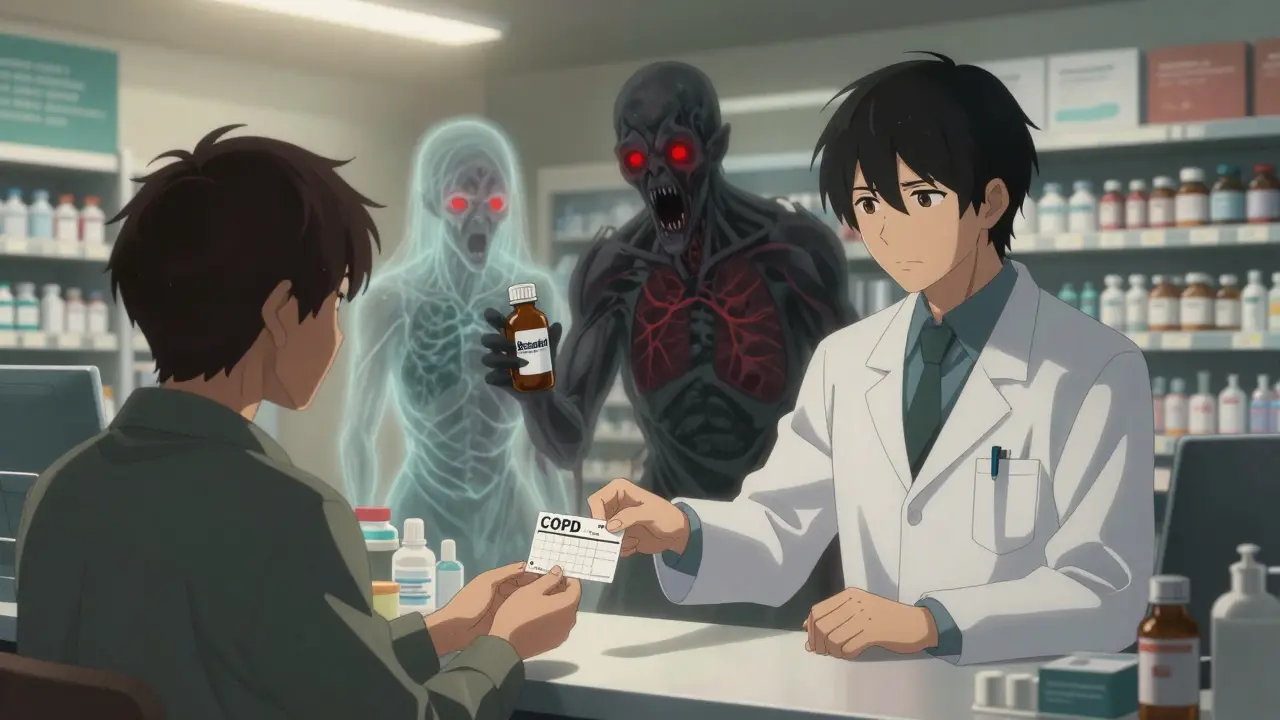
The Hidden Culprits: Over-the-Counter and Supplement Risks
Many patients don’t think of cold medicine or allergy pills as dangerous. But they can be. Diphenhydramine (found in Benadryl, Tylenol PM, and many sleep aids) is a strong anticholinergic. One COPD patient, 'COPDSurvivor87', ended up in the ER after combining oxycodone with nighttime allergy pills. His oxygen saturation dropped to 82%. That’s a medical emergency. Decongestants like pseudoephedrine (Sudafed) and phenylephrine can raise blood pressure and heart rate - risky if you already have heart issues or are on beta-agonists. Even some herbal supplements, like ephedra or bitter orange, contain stimulants that can overexcite your airways. A 2023 survey by Asthma + Lung UK found that 31% of respondents had experienced breathing problems linked to non-respiratory meds - and 68% didn’t realize those drugs could affect their lungs.How to Protect Yourself: A Practical Safety Plan
You don’t have to live in fear. You just need a system. Here’s what works:- Keep a living medication list - Write down every pill, inhaler, patch, and supplement you take. Include the dose and why you take it. Update it every time you see a doctor or pharmacist.
- Do the brown bag test - Once a year, or after any hospital visit, bring all your medications in a bag to your appointment. Your doctor or pharmacist can spot hidden interactions you missed.
- Ask every prescriber: “Could this affect my breathing?” - Don’t assume they know your full history. Say it out loud. Many doctors focus on one condition at a time and miss the bigger picture.
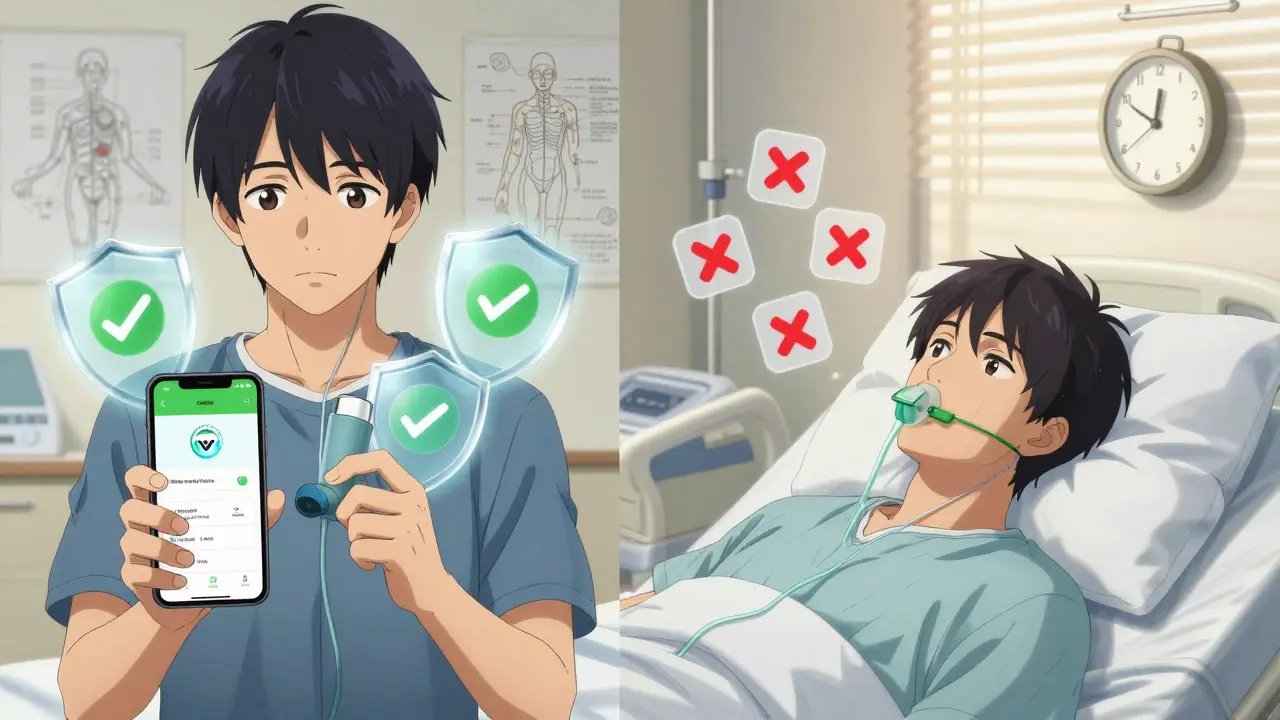
- Use the COPD Medication Safety App - Launched in 2023 by the COPD Foundation, this free app checks interactions between your respiratory meds and over 95% of common drugs. It’s simple, fast, and updated monthly.
- Know your warning signs - Increased wheezing, needing your rescue inhaler more than usual, feeling unusually tired, or trouble catching your breath after taking a new medication? These aren’t normal. Call your provider.
What Doctors and Pharmacies Are Doing to Help
Healthcare systems are catching up. Electronic health records now often include alerts for dangerous combinations like opioids + benzodiazepines or LAMAs + bladder meds. A 2021 study in CHEST showed that when these alerts were turned on, dangerous prescriptions dropped by 29%. Pharmacists are also stepping up. A 2022 study found that when clinical pharmacists reviewed COPD patients’ med lists, high-risk combinations were reduced by 43% in just 12 months. They don’t just fill prescriptions - they ask questions, flag risks, and suggest safer alternatives.The Future: Personalized Safety
The next big step isn’t just avoiding bad combinations - it’s predicting who’s most at risk. Researchers are now looking at how age, genetics, liver function, and other health conditions affect how your body handles medications. Dr. MeiLan Han from the University of Michigan says the goal is no longer “one-size-fits-all” warnings. Instead, we’re moving toward personalized interaction risk scores - like a weather forecast for your meds. The FDA and European Medicines Agency are already updating labeling requirements. By mid-2024, all new respiratory medication labels will include clearer, more prominent interaction warnings.Final Takeaway: You’re the Most Important Part of Your Safety Net
Doctors and pharmacists can’t catch every interaction. You know your body best. If something feels off after starting a new drug - even if it’s for something unrelated to your lungs - speak up. Keep your medication list updated. Ask questions. Use the tools available. Your breathing depends on it.Can I take ibuprofen if I have asthma?
About 10% of adults with asthma, especially those with nasal polyps or chronic sinusitis, can have a severe reaction to ibuprofen and other NSAIDs. Symptoms like wheezing, chest tightness, or trouble breathing can start within 30 to 120 minutes. If you’ve never had a reaction, you may be safe - but it’s best to test cautiously under medical supervision. For pain relief, acetaminophen (Tylenol) is usually a safer choice.
Are all beta-blockers dangerous for asthma?
No. Nonselective beta-blockers like propranolol are risky and should be avoided. But selective beta-blockers like metoprolol and atenolol are generally safe for most people with mild to moderate asthma. Studies show only 2-5% of asthma patients have symptoms with these drugs. In fact, for COPD patients with heart disease, selective beta-blockers can reduce flare-ups by up to 14%. Always start at a low dose and monitor closely.
Can I use Benadryl if I have COPD?
Benadryl (diphenhydramine) is an anticholinergic and can worsen COPD symptoms by causing thick mucus, dry airways, and urinary retention. It can also increase drowsiness and confusion, especially when combined with opioids or sedatives. Many COPD patients report worse breathing after taking it. Safer alternatives include loratadine (Claritin) or cetirizine (Zyrtec), which don’t have strong anticholinergic effects.
What should I do if I’m on multiple inhalers?
Combining inhalers is common and often necessary. But mixing multiple anticholinergics (like tiotropium and glycopyrrolate) or LABAs with other bronchodilators can increase side effects without added benefit. Always confirm with your doctor that each inhaler has a clear purpose. If you’re on three or more inhalers, ask if any can be replaced with a single combination device - which reduces errors and improves adherence.
How do I know if a new medication is interacting with my asthma or COPD drugs?
Watch for changes: increased wheezing, more frequent use of your rescue inhaler, sudden fatigue, dizziness, or trouble sleeping. If you notice any of these within a few days of starting a new pill - even a cold medicine or painkiller - contact your doctor immediately. Don’t wait for a scheduled appointment. Keep your medication list handy and bring it to every visit.
Should I stop my COPD inhaler if I start an opioid?
Never stop your COPD inhaler without medical advice. Stopping it can cause a severe flare-up. Instead, talk to your doctor about the safest opioid option and whether your current dose needs adjustment. Use the lowest effective dose of opioid for the shortest time possible. Always have your rescue inhaler nearby, and consider using a pulse oximeter at home to monitor oxygen levels if you’re at high risk.








Gerald Tardif December 29, 2025
Been there. Took ibuprofen for a sprained ankle last winter-woke up wheezing at 3 a.m. Thought it was the cold. Turns out, my asthma had been quietly screaming for weeks. Acetaminophen’s my new BFF now. No drama, no panic, just breath.
Don’t wait for an ER visit to learn this stuff.
James Bowers December 30, 2025
While the article presents a compelling overview of pharmacological interactions, it is imperative to underscore that polypharmacy in respiratory patients remains a systemic failure of interdisciplinary care. The absence of mandatory medication reconciliation protocols in primary care settings is not merely an oversight-it is a public health liability.
Physicians must be held accountable for prescriptive inertia, and pharmacists must be empowered-not merely consulted-as frontline safety arbiters. The data cited, while statistically valid, underrepresent the human cost of fragmented care.
Will Neitzer December 31, 2025
I appreciate the depth of this piece, and I’d like to add a nuance often missed: many patients discontinue essential beta-blockers out of fear, not because they’re unsafe-but because they weren’t properly educated. I’ve seen patients with heart failure and COPD stop metoprolol on their own after reading Reddit threads, then end up back in the hospital with decompensated failure.
The real danger isn’t the drug-it’s the misinformation gap. We need more clinicians who take 10 minutes to explain *why* a drug is safe, not just list contraindications.
And yes-yes-please use the COPD Medication Safety App. It’s free, accurate, and updated monthly. Use it.
Janice Holmes January 2, 2026
OMG I JUST HAD A NIGHTMARE ABOUT THIS. So last month I was on oxycodone for a herniated disc, took Benadryl for a runny nose, and woke up feeling like I was suffocating in a pillowcase. My O2 sat dropped to 84%. I thought I was dying. Turns out, the combo was like pouring gasoline on a candle.
My doctor didn’t even ask about my COPD meds. I had to TELL him. This isn’t a ‘maybe’-it’s a ticking bomb. Why isn’t this on every Rx bottle? Why? WHY?
Also, I’m now terrified of every pill I take. Even aspirin. Even tea. What’s next? My coffee?!
Olivia Goolsby January 3, 2026
Let’s be real-this isn’t about drug interactions. This is about the pharmaceutical industry deliberately obscuring risks to sell more pills. You think they want you to know that diphenhydramine is a slow poison for COPD patients? No. They want you addicted to sleep aids and painkillers so you keep buying more. The FDA? Controlled by Big Pharma. The ‘COPD Medication Safety App’? Probably funded by a drug company trying to look good while they quietly push their own anticholinergics.
And don’t get me started on ‘selective’ beta-blockers-there’s no such thing as ‘safe’ when your lungs are already broken. They’re just letting you die a little slower. They’re all poison. You’re being manipulated. Wake up.
And who wrote this article? A doctor? A pharmacist? Or a PR rep with a clipboard and a LinkedIn profile?
Alex Lopez January 4, 2026
Wow. Olivia, your comment is like a horror movie narrated by a conspiracy theorist who just drank three espressos. 😅
But seriously-yes, the system is flawed. Yes, pharma has shadows. But the COPD App? It’s real. It’s free. And it was built by actual pulmonologists who’ve seen too many patients die because no one asked, ‘What else are you taking?’
So let’s not throw the baby out with the bathwater. Use the tool. Talk to your pharmacist. Keep your brown bag. And yes-maybe the system’s broken, but you’re not powerless.
Also: your coffee is fine. (Unless you’re on theophylline. Then maybe skip it.)
Monika Naumann January 6, 2026
It is deeply concerning that Western medicine continues to prioritize pharmacological intervention over holistic, traditional healing methods. In India, we have used turmeric, ginger, and pranayama for centuries to manage respiratory ailments-without synthetic chemicals that corrode the body’s natural balance.
Why do we surrender our health to laboratories that profit from illness? This article, while detailed, is merely a sophisticated marketing tool to normalize pharmaceutical dependency. The true solution lies in returning to ancestral wisdom-not downloading apps designed by corporate entities.
Elizabeth Ganak January 7, 2026
lol i just read this and realized i’ve been taking benadryl for 5 years for allergies. my doctor never said anything. i thought it was just making me sleepy.
switched to zyrtec last week. no more brain fog. breathing feels… lighter? idk. but i’m not panicking every time i get a cold now.
also-brown bag test? that’s a thing? i’m doing it next week. thanks for the nudge.
Nicola George January 7, 2026
So… I’ve got COPD. Took propranolol for anxiety for 3 years. Never had an issue. Then my doc switched me to metoprolol. Suddenly I’m wheezing like a broken accordion.
Turns out? My liver metabolizes metoprolol like a drunk squirrel. So yeah-‘generally safe’ doesn’t mean ‘safe for you.’
Point is: your body isn’t a statistic. It’s a weird, unique mess. Listen to it. Even if your doctor’s got a 2023 study on their screen.
Also-yes, Benadryl is trash. Don’t be that person.
Raushan Richardson January 9, 2026
Y’all. I’m not a doctor. But I’ve been living with asthma since I was 8. And I swear-this article saved my life.
I used to take ibuprofen like candy. Now I keep Tylenol in my purse, my car, my nightstand. I keep my med list on my phone. I do the brown bag thing every year. And I ask every new doctor: ‘Will this mess with my lungs?’
It’s not scary if you’re prepared. You got this. 💪 breathe slow. breathe deep. you’re stronger than the pills.
Robyn Hays January 10, 2026
Okay, but what about the *other* hidden stuff? Like… antidepressants? SSRIs? I’ve been on sertraline for 7 years. My doc says it’s fine. But I’ve noticed my oxygen dips more on days I’m stressed-and I’m on a higher dose now. Is there a connection? Is my brain meds slowing my breath? Or is it just anxiety?
I’ve never seen this talked about. And I’ve read everything. Someone-please-tell me if this is real or just my paranoia.
Liz Tanner January 12, 2026
Thank you for writing this. As someone who’s been in and out of the ER for asthma attacks since college, I wish I’d known this 15 years ago.
My biggest regret? Not asking. I assumed if it was on the label, it was safe. I thought my doctor knew everything I took. I didn’t realize I was the only one holding the full picture.
Now I carry a laminated card in my wallet: ‘Asthma. Avoid NSAIDs. Benadryl = danger. Rescue inhaler always with me.’
You’re not just managing meds. You’re managing your life. And you deserve to breathe easy.