Care Transitions: Moving Patients Safely Between Health Settings
When someone leaves the hospital and goes home, to a rehab center, or to a nursing facility, they’re going through a care transition, the process of moving a patient between different levels or settings of healthcare. Also known as discharge planning, it’s not just about handing over a prescription—it’s about making sure the person understands what to do, who to call, and how to avoid getting sicker. Too often, this step is rushed. Patients get discharged with a stack of papers, no clear instructions, and no one to answer questions. The result? Readmissions, medication errors, and avoidable emergencies.
Care coordination, the organized effort to connect patients with the right services and providers during transitions is what makes the difference. It’s not just a nurse calling ahead—it’s a system. Think: a pharmacist reviewing all meds before discharge, a home health aide scheduled for the same day, a follow-up appointment booked before the patient walks out. Studies show that when care coordination is done right, hospital readmissions drop by up to 30%. But it doesn’t happen by accident. It needs clear roles, communication tools, and time.
Post-acute care, the services patients need after leaving the hospital, like physical therapy or home nursing is often the missing link. People assume going home means recovery is on its own—but that’s not true. A patient with heart failure needs daily weight checks. Someone recovering from surgery needs help bathing and moving safely. Without proper support, even simple tasks become risks. And when that support isn’t arranged ahead of time, families are left scrambling—often too late.
And it’s not just about the patient. Family caregivers are part of this too. They’re the ones who pick up prescriptions, watch for confusion or swelling, and call 911 when something feels off. Yet most aren’t trained. They’re handed a discharge summary written in medical jargon and expected to figure it out. That’s why patient safety, the practice of preventing harm during healthcare delivery starts with clear, simple communication—not fancy apps or expensive tech. A printed list of meds with dosages in plain language. A phone number for the doctor’s office that actually rings. A checklist of warning signs: "If you see this, call this number."
What you’ll find below are real, practical guides written by people who’ve been through this. From how to spot when a loved one isn’t recovering as they should after hospital discharge, to why switching from a brand drug to a generic right after leaving the hospital can backfire, to how digital tools are helping families track meds and appointments. These aren’t theory pieces. They’re tools for people who need to make care transitions work—because too many lives depend on it.
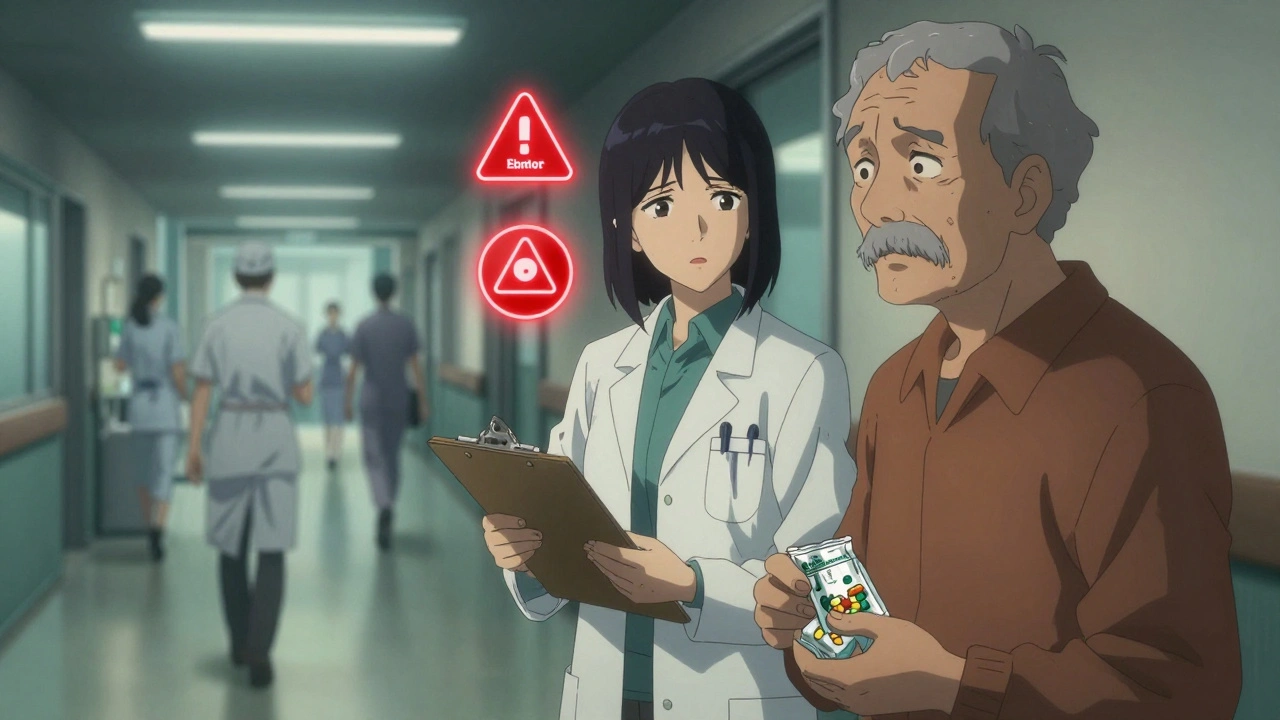
How to Prevent Medication Errors During Care Transitions and Discharge
Medication errors during care transitions are a leading cause of preventable harm. Learn how medication reconciliation, pharmacist involvement, and better communication can stop these errors before they happen.