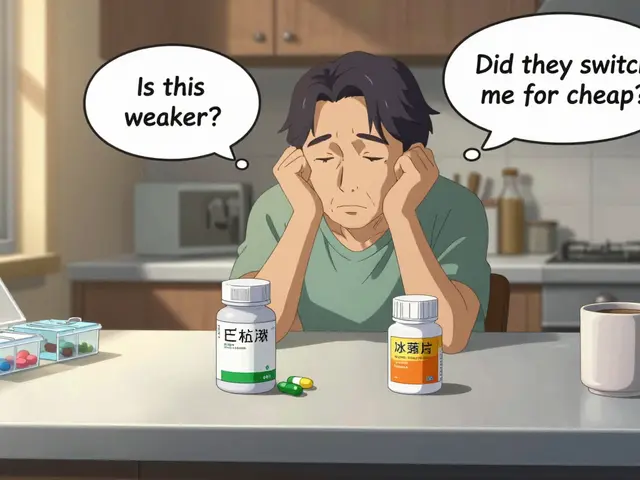
Medications to Avoid: What You Need to Know
When a drug promises quick relief, it can also hide serious hazards. Knowing the red‑flag meds helps you keep side effects, dependence, and costly doctor visits at bay. Below we break down the most talked‑about risky drugs and give you practical tips for safer choices.
Common High‑Risk Medications
Opioid painkillers like oxycodone or hydrocodone are effective for severe pain, but they carry high addiction potential and can slow breathing. Even a short course can start a dependence cycle.
Non‑steroidal anti‑inflammatory drugs (NSAIDs) such as ibuprofen and naproxen relieve aches, yet they can irritate the stomach lining, raise blood pressure, and worsen kidney function when taken regularly.
Sleep aids containing diphenhydramine (Benadryl) are sold over the counter for insomnia. They cause next‑day drowsiness, dry mouth, and can worsen anxiety if used night after night.
Weight‑loss pills with stimulant ingredients (e.g., phentermine) may shrink appetite, but they raise heart rate, cause jittery feelings, and sometimes lead to heart rhythm problems.
Prescription benzodiazepines like Xanax or Ativan calm anxiety, yet they can cause memory gaps, falls, and severe withdrawal if stopped abruptly.
Safer Choices and How to Spot Trouble
First, ask yourself if a drug is the only option. Often a lifestyle tweak, physical therapy, or a non‑drug pain relief method works just as well without the risk.
If a prescription feels unnecessary, request a clear explanation from your doctor. Ask about side‑effects, how long you’ll need the medication, and if a lower dose could work.
When buying online, verify the pharmacy’s licence. Look for a US‑based address, a valid pharmacy‑board number, and a prescription requirement. Any site that sells a risky med without a prescription is a red flag.
Keep a written list of every drug you take, including over‑the‑counter pills and supplements. Share it with each new healthcare provider so they can catch dangerous combos, like mixing NSAIDs with blood thinners.
For many high‑risk classes, safer alternatives exist. Switch ibuprofen to acetaminophen for mild pain, try melatonin instead of diphenhydramine for sleep, or consider cognitive‑behavioral therapy for anxiety before reaching for benzodiazepines.
Finally, monitor how you feel. New headaches, dizziness, or stomach pain after starting a drug are warning signs. Report them to your doctor right away rather than waiting for a serious problem.
Staying informed keeps you in control. By knowing which medications to avoid, spotting the warning signs, and opting for safer routes, you protect your health and avoid unnecessary setbacks.

Desogestrel‑Ethinyl Estradiol Interactions - Medications to Avoid
A practical guide on which drugs and supplements can compromise desogestrel‑ethinyl estradiol birth control, how they affect hormone levels, clot risk, and what steps to take.