Portal Hypertension: Causes, Risks, and What You Need to Know
When blood can't flow easily through the portal vein, the main vessel carrying blood from the intestines to the liver. Also known as hepatic portal hypertension, it forces blood to find alternate routes—often leading to dangerous swelling in veins around the stomach and esophagus. This isn’t just a minor bump in circulation. It’s a sign that something serious is wrong with your liver.
Most cases of portal hypertension, elevated pressure in the portal venous system come from cirrhosis, scarring of the liver that blocks normal blood flow. Alcohol abuse, hepatitis, fatty liver disease—these all wear down the liver over time. Once scar tissue builds up, blood backs up like a clogged pipe. That pressure doesn’t just stay in the liver. It pushes fluid into the belly (ascites), causes spleens to swell, and creates fragile, enlarged veins called varices, swollen veins in the esophagus or stomach that can rupture and bleed. A burst varix is a medical emergency. Many people don’t know they have portal hypertension until they start vomiting blood.
It’s not just about the liver. Portal hypertension affects your whole system. It can lead to kidney problems, confusion from toxins building up in the brain (hepatic encephalopathy), and infections in the belly fluid. Doctors check for it using ultrasound, CT scans, or sometimes by measuring pressure directly. Treatment isn’t one-size-fits-all. Beta blockers like propranolol help lower pressure and reduce bleeding risk. Endoscopic banding can tie off dangerous varices. In severe cases, a shunt may be placed to reroute blood. But none of these fix the root cause—your liver. That’s why stopping alcohol, managing hepatitis, or losing weight matters more than any pill.
You won’t find portal hypertension in a routine blood test. Symptoms often show up late—swollen belly, enlarged veins on the skin, unexplained fatigue. If you have a history of liver disease, heavy drinking, or chronic hepatitis, don’t wait for symptoms. Talk to your doctor about screening. The earlier you catch it, the more you can protect yourself from life-threatening complications.
Below, you’ll find real-world advice on managing this condition, understanding related medications, spotting warning signs, and avoiding common mistakes that make things worse. These aren’t theory pieces—they’re guides written by people who’ve been there, or by doctors who treat it every day.
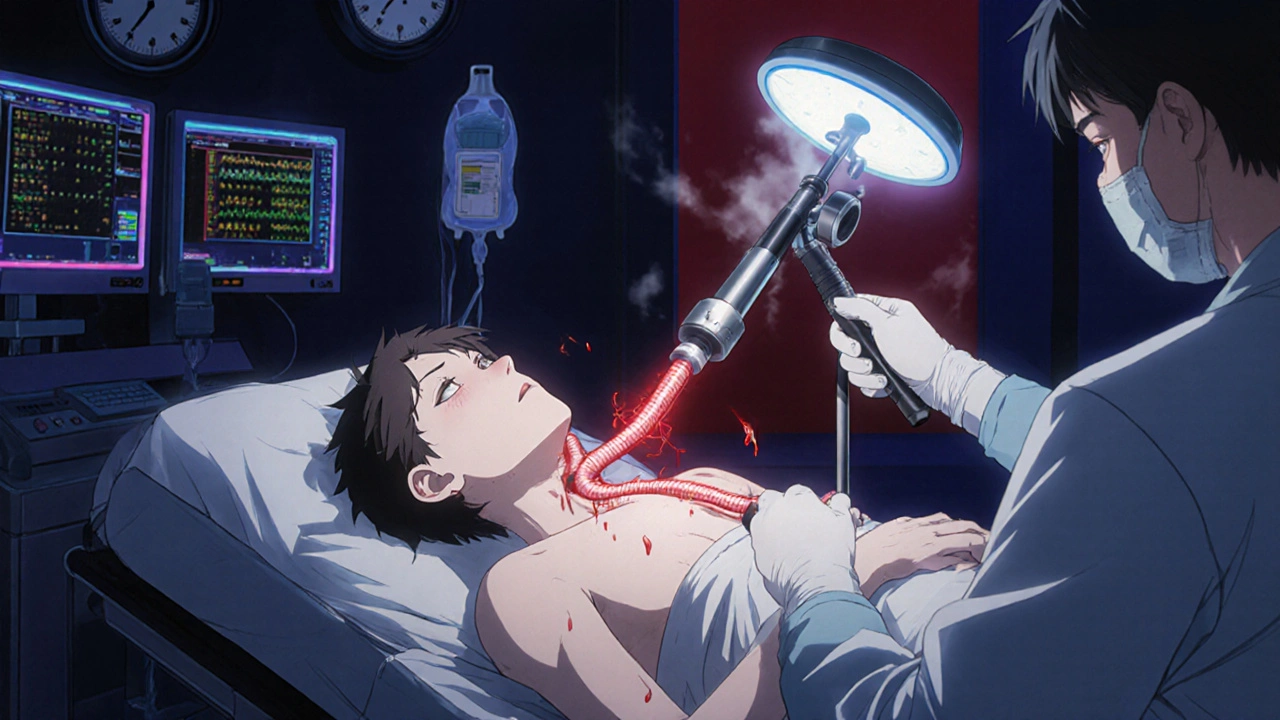
Variceal Bleeding: How Banding, Beta-Blockers, and Prevention Save Lives
Variceal bleeding is a life-threatening complication of liver cirrhosis. Learn how endoscopic banding, beta-blockers like carvedilol, and early prevention can stop bleeding, reduce rebleeding, and save lives.