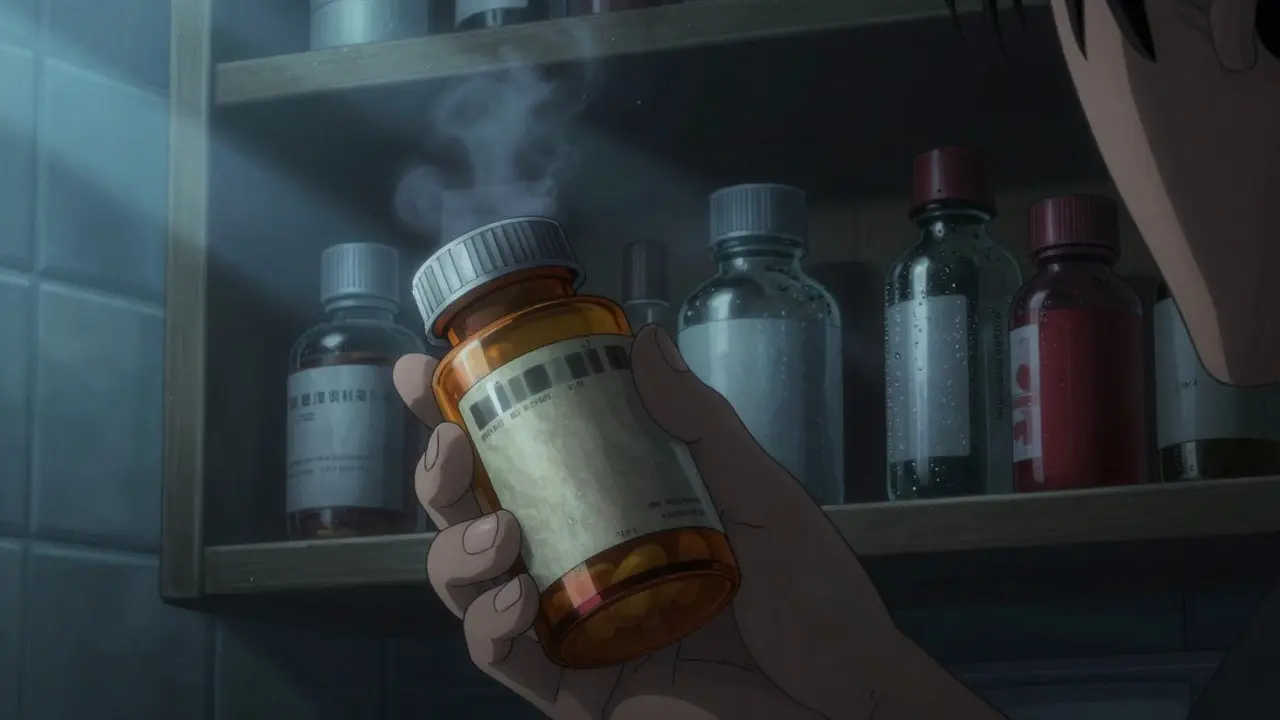
Have you ever dug through your medicine cabinet looking for pain relief or antibiotics, only to find a bottle with a date that passed months-or even years-ago? It is a common scenario. We all have those leftover pills from a cold last winter or a prescription we never finished. The instinct is often to check the label, see the date has passed, and toss it in the trash. But before you do, you might wonder: what does a medication expiration date mean for safety anyway? Is the drug suddenly toxic, or just less effective?
The short answer is complicated. For most solid pills stored properly, an expired medication is likely still safe but might be slightly weaker than intended. However, for critical drugs like insulin or nitroglycerin, using them past their date can be dangerous. Understanding the science behind these dates helps you make smarter decisions about what to keep, what to throw away, and how to store your medicines correctly.
How Expiration Dates Are Determined
To understand why a date matters, you need to know how it gets printed on the bottle in the first place. It is not a random guess by the pharmaceutical company. Since 1979, regulations mandated by agencies like the U.S. Food and Drug Administration (FDA) require manufacturers to conduct rigorous stability testing.
Manufacturers subject their drugs to extreme conditions to predict how they degrade over time. They test factors like temperature, humidity, and light exposure. For example, long-term testing usually happens at around 25°C (77°F) with 60% relative humidity. Accelerated testing pushes drugs harder, using higher temperatures like 40°C (104°F) to see how quickly the active ingredients break down.
Expiration dates represent the final day that a manufacturer guarantees the drug maintains its full labeled potency, safety, and purity when stored under specified conditions. Typically, this guarantee lasts between 12 and 60 months from the manufacturing date. The goal is to ensure that until that specific date, the drug will perform exactly as intended. Once that date passes, the manufacturer no longer vouches for the product’s quality. This does not necessarily mean the drug turns into poison overnight; it means the company stops guaranteeing that it contains at least 90% of its original active ingredient.
The Myth of Immediate Toxicity
A widespread fear is that expired medications become toxic. In reality, chemical degradation rarely creates harmful toxins in standard oral medications. Instead, the primary risk is efficacy-the drug simply doesn't work as well. If you take an antibiotic that has lost 30% of its potency, you might not fully clear the infection, leading to complications or antibiotic resistance.
Data from the Shelf Life Extension Program (SLEP), a study funded by the National Institutes of Health (NIH) and conducted for the U.S. military, offers surprising insights. Between 1985 and 2006, researchers tested 122 different drug products across thousands of lots. They found that approximately 88% of these medications remained effective and safe for up to 15 years beyond their original expiration dates, provided they were stored in ideal conditions.
For instance, ciprofloxacin maintained 97% of its potency 12 years after expiration. Amoxicillin retained 94% effectiveness eight years past its date. These findings suggest that for many stable, solid-form medications, the expiration date is more of a conservative business guarantee than a strict safety deadline.
Critical Exceptions: When Expired Drugs Are Dangerous
While the SLEP data is reassuring for many drugs, it is crucial to know which medications are exceptions. Some drugs degrade rapidly or unpredictably, making them unsafe or ineffective shortly after opening or expiring. Using these expired can lead to treatment failure in life-threatening situations.
| Medication Type | Degradation Risk | Why It Matters |
|---|---|---|
| Nitroglycerin | High | Loses 50% potency within 3-6 months of opening the bottle, even before the printed expiration date. Critical for heart angina attacks. |
| Insulin | High | Degrades 1.5-2.5% per month if exposed to temperatures above 8°C (46°F). Unreliable dosing can cause dangerous blood sugar spikes. |
| Liquid Antibiotics | High | Suspensions like amoxicillin-clavulanate become ineffective within 14 days of mixing with water, regardless of the bottle's printed date. |
| Epinephrine Auto-Injectors | Moderate-High | EpiPens lose 15-20% potency annually after expiration. During anaphylaxis, reduced potency can be life-threatening. |
| Warfarin | Moderate | Anticoagulant effects can fluctuate unpredictably in expired formulations, creating dangerous bleeding risks or clots. |
If you rely on any of these medications for chronic or emergency care, treat the expiration date as a hard stop. Do not gamble with nitroglycerin during chest pain or use old insulin for diabetes management. For these drugs, the cost of replacement is far lower than the risk of health complications.
Storage Conditions: The Hidden Factor
The expiration date assumes ideal storage conditions. Most people do not store their medications ideally. The bathroom medicine cabinet is a classic example of a bad storage spot. Showers create high humidity levels, often reaching 75-85% relative humidity. Heat and moisture accelerate chemical breakdown.
According to stability data from the European Medicines Agency, medications stored at 30°C (86°F) degrade 40-60% faster than those kept at 25°C (77°F). If you live in a warm climate or keep meds in a car, garage, or humid bathroom, the actual shelf life is significantly shorter than the printed date.
To maximize the life of your medications:
- Keep them in their original containers with child-resistant caps sealed tightly.
- Store them in a cool, dry place, ideally below 25°C (77°F).
- Avoid areas with direct sunlight or high humidity, like bathrooms or kitchens near sinks.
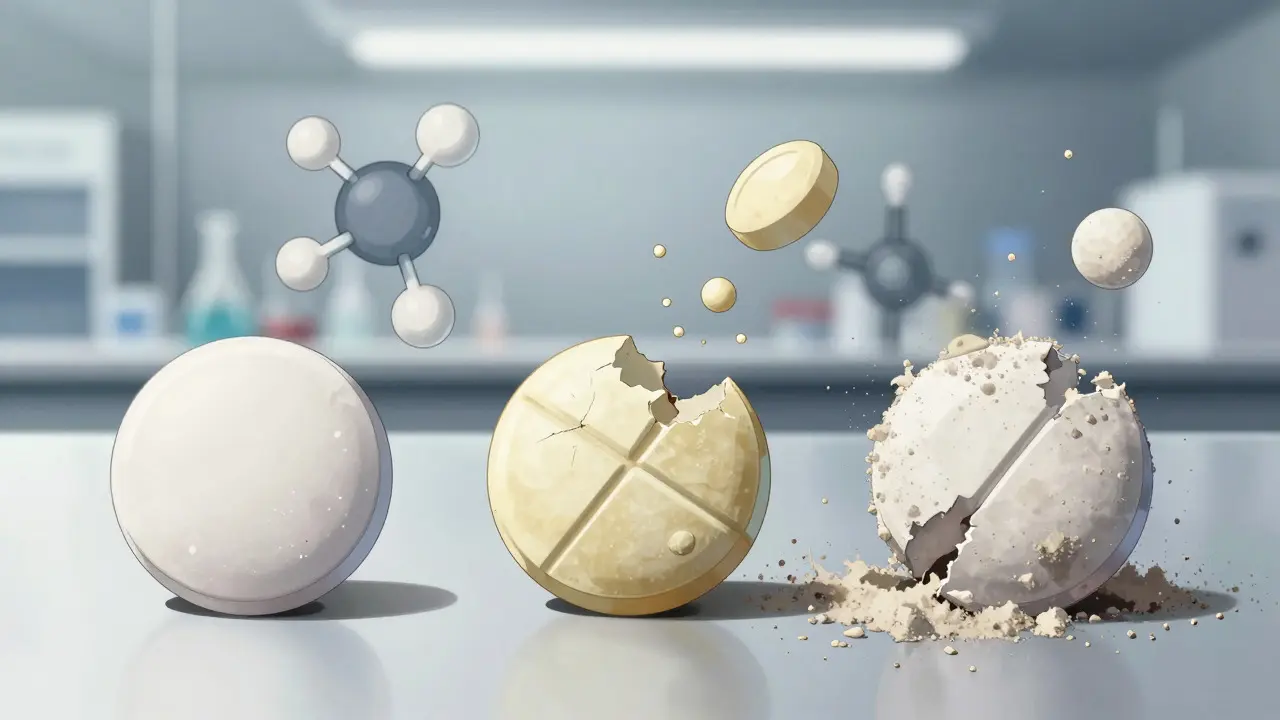
- Check for visible signs of degradation, such as discoloration (white tablets turning yellow), unusual odors, crumbling, or crystallization in liquids.
If a pill looks different than it did when you first got it, throw it out. Visual changes are a clear sign that the chemical structure has altered, regardless of the date.

Regulatory Perspectives vs. Real-World Use
There is a notable tension between regulatory advice and real-world evidence. The FDA maintains a cautious stance, stating in consumer advisories that "using expired medicines is risky and possibly harmful." This position protects public health by encouraging consumers to always have fresh, guaranteed-effective medication.
However, experts in pharmacology often view this differently. Dr. Joel Davis, a pharmacist at Johns Hopkins Hospital, noted that for stable chronic conditions like hypertension, expired ACE inhibitors might retain sufficient potency for short-term use during shortages, assuming proper storage. The Institute for Safe Medication Practices (ISMP) categorizes expiration risks into three groups:
- Category 1 (High Risk): Nitroglycerin, insulin, liquid antibiotics. Degradation creates immediate danger.
- Category 2 (Moderate Risk): Oral antibiotics, anticoagulants, seizure meds. Reduced potency leads to treatment failure.
- Category 3 (Low Risk): Stable solid forms like statins and antidepressants. Potency loss is gradual and predictable.
This nuanced view suggests that while you should generally avoid expired meds, a slightly expired aspirin for a headache is unlikely to harm you, whereas an expired EpiPen could.
Proper Disposal and Reducing Waste
When it is time to discard expired medications, flushing them down the toilet is usually discouraged due to environmental impact, except for specific high-risk drugs listed on the FDA’s Flush List (like fentanyl patches). The best method is to use drug take-back programs.
In the United States, the DEA organizes National Prescription Drug Take-Back Days semi-annually. In 2023, nearly 6,000 collection sites removed over 900,000 pounds of unused medications. Many local pharmacies also offer drop-off boxes for year-round disposal. If no take-back option is available, mix the pills with unappealing substances like coffee grounds or cat litter in a sealed bag before throwing them in the household trash.
Understanding what a medication expiration date means empowers you to manage your health better. It is not a magic switch that turns medicine into poison, but it is a critical guideline for ensuring efficacy. By storing meds correctly, knowing which drugs are high-risk, and disposing of them safely, you protect both your health and the environment.
Is it safe to take expired vitamins?
Generally, yes. Vitamins are considered low-risk Category 3 items. While they may lose some potency over time, they rarely become harmful. However, fat-soluble vitamins like Vitamin A, D, E, and K can degrade faster if exposed to heat or light. If the vitamin smells rancid or looks discolored, discard it.
Can I use expired ibuprofen for a headache?
In most cases, yes. Ibuprofen is a stable solid oral dosage form. Studies show it retains significant potency years past expiration if stored properly. It might be slightly less effective, but it is unlikely to cause harm. Avoid using it if the pills are crumbling or discolored.
Why do liquid antibiotics expire so quickly?
Liquid antibiotics are often sold as powders that you mix with water. Once reconstituted, the water introduces bacteria and accelerates chemical breakdown. Most liquid suspensions, like amoxicillin, are only effective for 10-14 days after mixing, regardless of the original expiration date on the powder bottle.
Does the expiration date apply to the manufacturing date or dispensing date?
The printed expiration date refers to the manufacturing date. However, once a pharmacy dispenses medication, they often assign a "beyond-use" date. For solid oral drugs, this is typically one year from dispensing. For liquids and eye drops, it is much shorter (e.g., 30 days). Always follow the pharmacy's label instructions first.
How can I tell if my medication has degraded?
Look for physical changes. Pills may crumble, crack, or change color. Liquids might become cloudy, develop crystals, or smell strange. Capsules can stick together or leak. If any of these signs are present, the medication has likely degraded and should be discarded immediately, even if the expiration date hasn't passed.