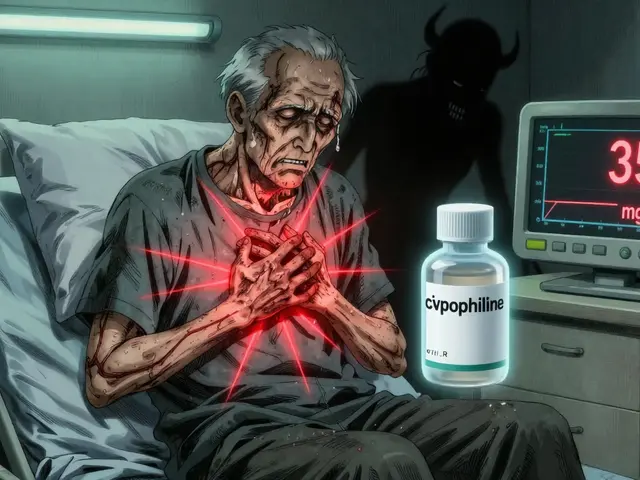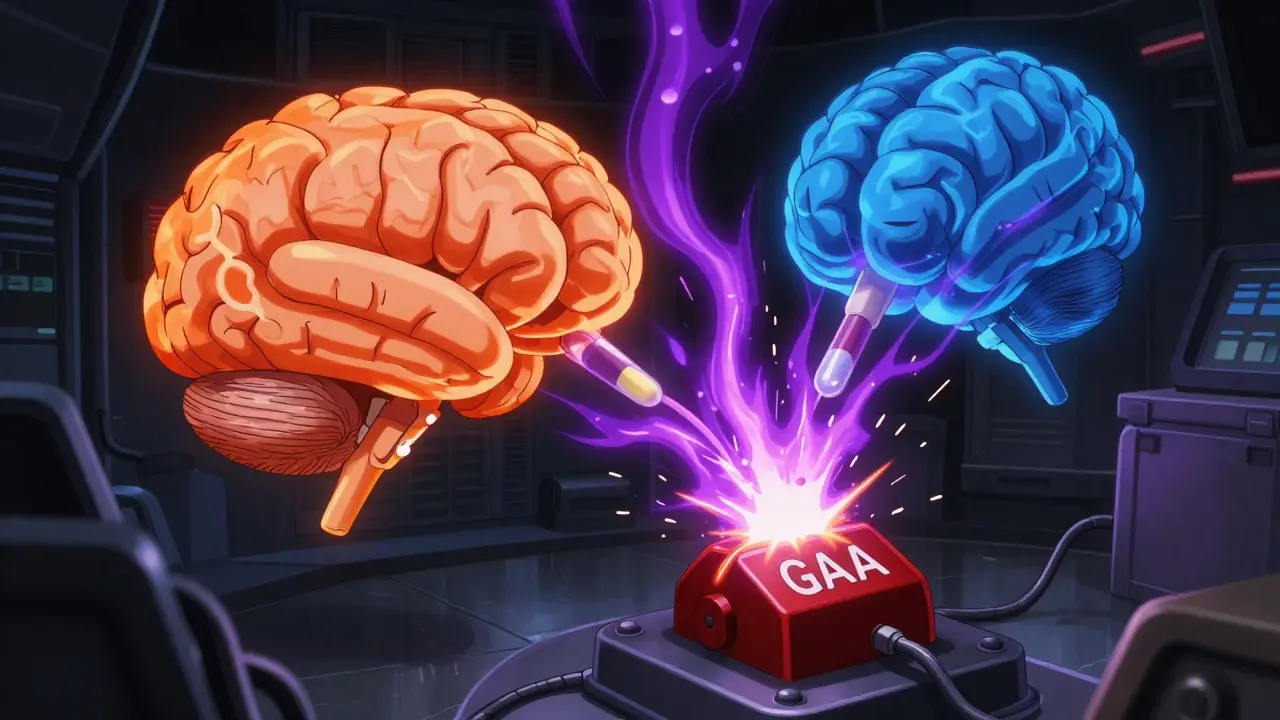
Imagine taking a pill for anxiety at noon and another for sleep at night. You might think you are just managing two separate health issues. But inside your body, those drugs are having a conversation-and it can turn deadly fast. Combining multiple sedating medications is not just about feeling tired; it creates a chemical reaction that can shut down your breathing or trigger a dangerous spike in brain chemicals. This practice, known medically as polypharmacy involving central nervous system (CNS) depressants, has become a leading cause of preventable hospital visits and overdose deaths.
The risk isn't theoretical. In 2020, the Centers for Disease Control and Prevention (CDC) reported that roughly 16% of all opioid-related overdose deaths also involved benzodiazepines. That is one in six cases where mixing these specific sedatives proved fatal. Understanding how these drugs interact is no longer optional-it is a matter of life and death for millions of people who take prescription medications daily.
How Sedatives Work Together to Suppress Your Brain
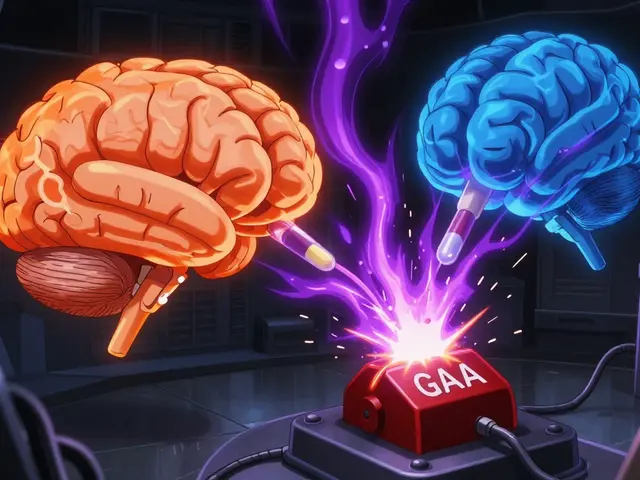
To understand the danger, you have to look at what happens in your brain. Most sedating medications target a neurotransmitter called gamma-aminobutyric acid (GABA). GABA acts like a brake pedal for your brain activity, slowing things down to help you relax or sleep. When you take one sedative, you press the brake lightly. When you take two, you do not just press it twice as hard-you floor it.
This effect is called synergy. It means the combined impact of two drugs is greater than the sum of their individual effects. For example, opioids work by depressing the brainstem centers that control breathing. Benzodiazepines enhance GABAergic inhibition, which slows overall brain function. When you combine them, they create a multiplicative effect on respiratory depression. Research published in JAMA Internal Medicine found that patients taking both opioids and benzodiazepines had a 154% higher risk of overdose compared to those taking opioids alone.
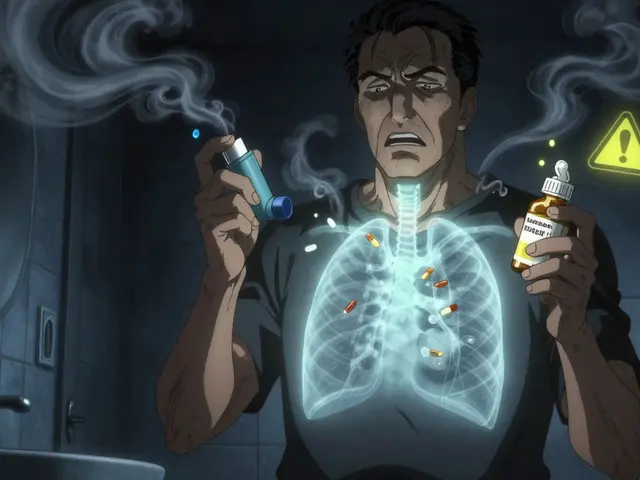
The physiological mechanism is straightforward but terrifying. These combinations can reduce your respiratory rate to below 8 breaths per minute. At this level, your oxygen saturation drops below 90%, depriving your heart and brain of the air they need. This is why even "therapeutic" doses-amounts prescribed by doctors for pain or anxiety-can become lethal when mixed.
The Most Dangerous Drug Combinations
Not all drug mixes are equally risky, but several stand out as particularly hazardous. Knowing which combinations to avoid is the first step in protecting yourself.
| Drug Combination | Primary Risk | Risk Multiplier / Statistic |
|---|---|---|
| Opioids + Benzodiazepines | Respiratory Failure & Death | 3.86x higher risk of fatal overdose |
| SSRIs + MAOIs | Serotonin Syndrome | Occurs in 14-16% of cases without washout |
| Alcohol + Zolpidem (Ambien) | Impaired Reaction Time | 70% reduction in reaction time vs 40% individually |
| Corticosteroids + NSAIDs | Gastrointestinal Bleeding | 3.6x odds ratio for bleeding events |
Opioids and Benzodiazepines: This is the deadliest pairing. UCLA Health reports that these combinations account for approximately 30% of all prescription medication-related deaths. The synergy between the respiratory suppression of opioids and the CNS depression of benzos creates a perfect storm for accidental suffocation.
SSRIs and MAOIs: While not always "sedating" in the traditional sense, this combination causes serotonin syndrome, a potentially life-threatening condition caused by excessive serotonergic activity. Symptoms include high fever, agitation, and muscle rigidity. The FDA mandates a 14-day washout period when switching between these classes to allow the body to clear the previous drug.
Alcohol and Sedatives: Alcohol is a CNS depressant itself. Mixing it with sleep aids like zolpidem amplifies impairment unpredictably. Just two standard drinks combined with therapeutic doses of Ambien can reduce reaction time by 70%. This makes driving or operating machinery nearly impossible and significantly increases the risk of falls and blackouts.
Warning Signs: When to Seek Emergency Help
You cannot always predict how your body will react to a new combination. However, there are clear physical signs that indicate a dangerous interaction is occurring. If you or someone else experiences these symptoms after taking multiple sedating medications, seek emergency medical attention immediately.
- Respiratory Rate Below 12: Count the breaths per minute. If it is consistently under 12, especially if shallow or accompanied by gurgling sounds, this is a critical warning sign.
- Unresponsiveness: If the person cannot be woken up or does not respond to verbal stimuli, their consciousness is dangerously suppressed.
- Cyanosis: Look for blue-tinged lips, fingertips, or nail beds. This indicates low oxygen levels in the blood.
- Extreme Confusion or Agitation: Paradoxical reactions, such as increased anxiety or aggressive behavior, can occur with benzodiazepine-alcohol mixes.
- High Fever and Muscle Stiffness: These are hallmark signs of serotonin syndrome, particularly relevant if antidepressants are involved.
Dr. George Ashkar from UCLA Health warns that side effects affecting balance or mental sharpness are particularly dangerous for older adults because they drastically increase the risk of falls. A fall while under the influence of multiple sedatives can lead to head trauma or hip fractures, compounding the initial drug risk.

Vulnerable Populations: Older Adults and Polypharmacy
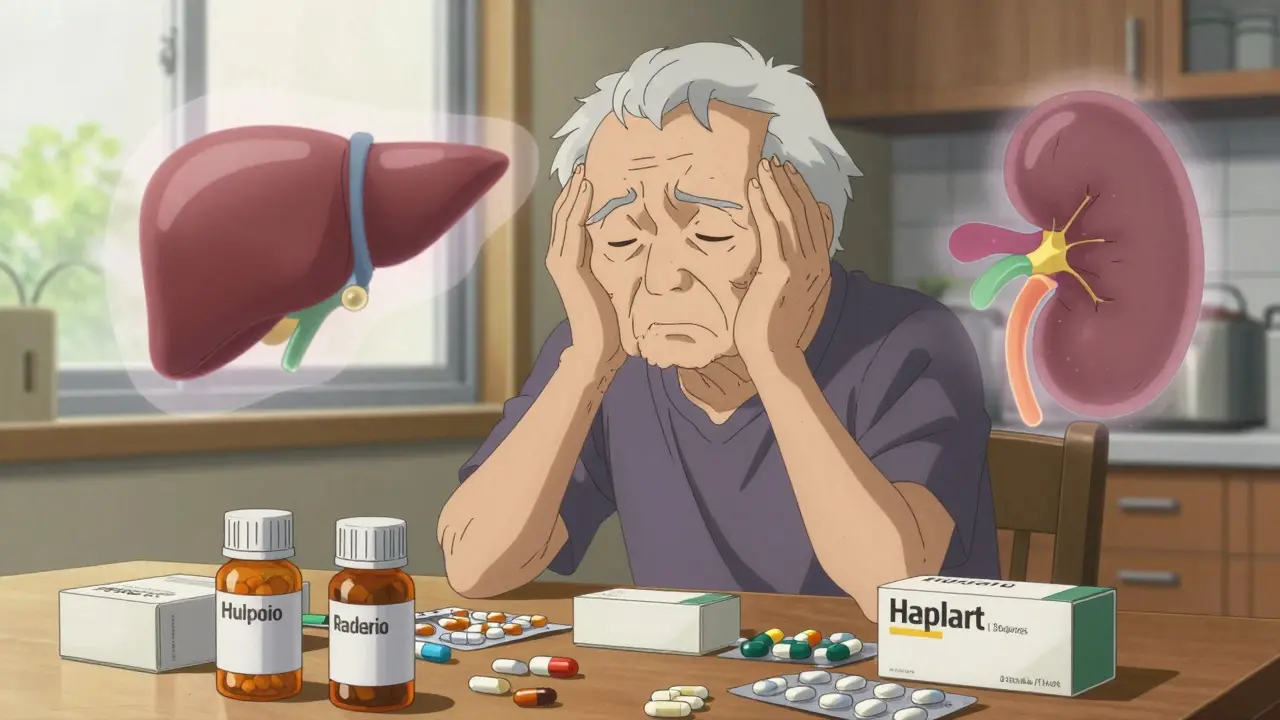
Age plays a significant role in how the body processes medications. As we age, our liver and kidney function decline, meaning drugs stay in our system longer and at higher concentrations. The American Geriatrics Society Beers Criteria® lists 53 medication combinations to avoid in older adults, with 19 specifically involving sedating medications.
For patients over 65, the stakes are higher. Data shows a 50% increased risk of falls among older adults taking inappropriate sedative combinations. Furthermore, 35% of older adults still take potentially inappropriate sedating medications, with women (41%) being more likely to be affected than men (27%).
The START (Screening Tool of Older Person's Prescriptions) criteria recommend that any patient over 65 taking three or more sedating medications should have their regimen reassessed within 30 days. Safe tapering protocols typically involve reducing one medication by 10-25% every 1-2 weeks under strict medical supervision. The Beers Criteria suggests limiting diazepam equivalents to no more than 5mg daily for this demographic.
Prevention Strategies and Safe Practices
Preventing adverse drug events starts with communication. Many dangerous interactions happen because different doctors prescribe medications without knowing what the other is doing. This is often exacerbated by "doctor shopping," where patients obtain prescriptions from multiple providers. Recovery Village data shows that 42% of patients who overdosed on combined sedatives had obtained prescriptions from three or more physicians within a six-month period.
Here are practical steps to protect yourself:
- Maintain a Master List: Keep an updated list of all medications, including over-the-counter drugs and supplements. Share this with every healthcare provider you see.
- Use One Pharmacy: Filling all prescriptions at the same pharmacy allows the pharmacist to screen for interactions automatically. However, note that a 2020 study found only 17.3% of potentially dangerous combinations triggered appropriate alerts in major electronic health record systems, so human verification is still crucial.
- Ask About Non-Sedating Alternatives: For anxiety or insomnia, ask if cognitive behavioral therapy (CBT) or non-sedating medications are viable options. While alternative treatments can be more expensive ($450-$600 monthly versus $15-$30 for many sedatives), they may reduce long-term health risks.
- Understand Morphine Milligram Equivalents (MME): If you are on opioids, ask your doctor about your MME score. Higher MME scores correlate with increased risk of overdose and dependency.
- Avoid Alcohol Completely: Do not mix alcohol with any prescribed sedative. The unpredictable nature of this interaction makes it one of the most common causes of accidental poisoning.
The Role of Technology and Regulation
Regulatory bodies are increasingly aware of these risks. The FDA issued its first specific warning about opioid-benzodiazepine combinations in August 2016, followed by boxed warnings on all opioid and benzodiazepine medication guides in 2022. The SUPPORT Act of 2018 mandated that Medicare Part D plans implement opioid management programs that include screening for benzodiazepine interactions.
Technology is also evolving to help catch these errors. The FDA-approved DETERMINE platform, launched in July 2022, uses artificial intelligence to predict individual patient risk for adverse sedative interactions with 87.4% accuracy in initial trials. Additionally, the Electronic Prescribing for Controlled Substances (EPCS) mandate, implemented in all 50 states by 2023, includes mandatory cross-checking for dangerous combinations.
Despite these advances, gaps remain. A Government Accountability Office report from May 2023 found that only 28% of primary care providers consistently screen for dangerous sedative combinations. This highlights the importance of patient advocacy-you must be your own first line of defense.
Conclusion: Vigilance Saves Lives
Combining sedating medications is a complex issue that requires careful management. The synergistic effects of CNS depressants can turn routine prescriptions into life-threatening situations. By understanding the mechanisms of drug interactions, recognizing warning signs, and maintaining open communication with healthcare providers, you can significantly reduce your risk. Always prioritize safety over convenience, and never hesitate to question a new prescription if it interacts with your current regimen.
What is the most dangerous combination of sedating medications?
The combination of opioids and benzodiazepines is considered the most dangerous. This pairing creates a synergistic effect that severely suppresses respiratory drive, leading to a 3.86 times higher risk of fatal overdose compared to using opioids alone.
How long should I wait between taking different sedatives?
There is no universal safe waiting period because drug half-lives vary. However, for switching between SSRIs and MAOIs, a 14-day washout period is required to prevent serotonin syndrome. Always consult your doctor before combining any CNS depressants, even hours apart.
Can alcohol be mixed with sleeping pills like Ambien?
No. Mixing alcohol with zolpidem (Ambien) or other sedatives can reduce reaction time by up to 70% and significantly increases the risk of blackouts, falls, and respiratory depression. It is strongly advised to avoid alcohol completely when taking sedatives.
What are the signs of serotonin syndrome?
Signs include high fever, agitation, confusion, rapid heart rate, dilated pupils, muscle rigidity, and tremors. This condition is often caused by combining SSRIs with MAOIs or other serotonergic drugs and requires immediate medical attention.
Why are older adults at higher risk for sedative interactions?
Older adults have reduced liver and kidney function, causing drugs to accumulate in the body. They are also more sensitive to the effects of sedatives, leading to a 50% increased risk of falls and greater likelihood of cognitive impairment when multiple sedatives are used.