Salmonella Control: Easy Ways to Keep This Common Infection at Bay
Salmonella infections can be a real headache, causing stomach cramps, fever, and diarrhea. But the good news is that you can drastically cut your risk of catching salmonella by following practical control steps. It all boils down to smart food handling, clean habits, and knowing what to watch out for.
First off, proper cooking is your best friend. Salmonella bacteria often hide in raw or undercooked meats, eggs, and even some produce. Always cook poultry, ground beef, and eggs thoroughly—use a food thermometer if you want to be sure. For example, chicken should reach at least 165°F inside to kill off harmful germs. Don't leave cooked food out at room temperature for long either; bacteria multiply quickly when food sits out.
Keep Your Kitchen and Hands Spotless
Salmonella can spread easily through cross-contamination. That means if raw chicken touches your cutting board, and then you slice veggies on the same board without washing, you risk spreading bacteria. Use separate cutting boards for raw meat and produce, or wash them thoroughly between tasks. Washing your hands with warm soapy water for at least 20 seconds before cooking and after handling raw meat makes a huge difference too.
Another tip: rinse fresh fruits and vegetables under running water before eating or preparing them. Even if you plan to peel them, rinsing helps remove dirt and bacteria. Avoid using soap or detergents on produce; water alone works best.
Stay Informed and Stay Safe
Knowing where salmonella outbreaks happen can help you avoid risky foods or places. For instance, certain poultry products or raw milk might be more prone to contamination during outbreaks. Buying from trusted suppliers and checking food recalls online can keep you a step ahead. It's also smart to be cautious when eating at buffets or picnics where food is kept out for long periods.
If you or someone you know does get salmonella, it usually runs its course in a few days. But make sure to stay hydrated and rest. If symptoms get severe or last more than a week, it's time to see a doctor. Young kids, older adults, and those with weak immune systems should be extra careful—they can get seriously sick.
Salmonella might seem scary, but with these simple steps—cook well, keep things clean, and stay alert—you can keep it away from your home and your health. It’s all about smart choices that fit easily into your daily routine.
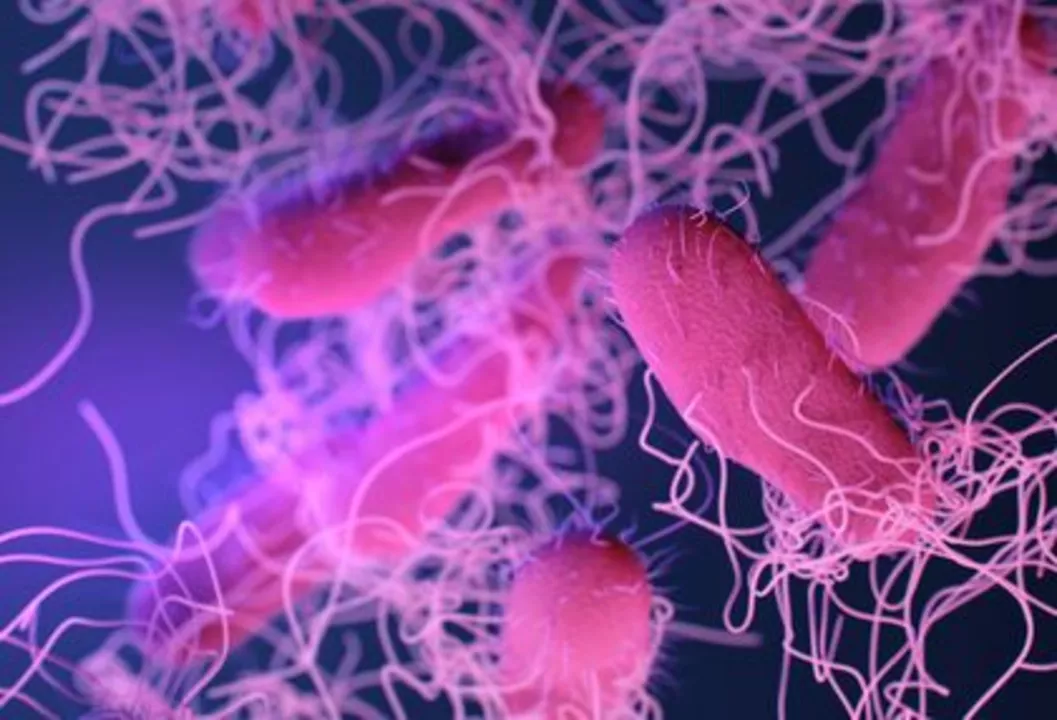
The role of government agencies in preventing and controlling salmonella
In my latest blog post, I discuss the crucial role government agencies play in preventing and controlling salmonella outbreaks. These agencies, such as the CDC and FDA, are responsible for monitoring food production and distribution, enforcing regulations, and ensuring public awareness of potential risks. They also collaborate with other organizations to conduct research and develop new methods for reducing contamination in our food supply. It's reassuring to know that these agencies work tirelessly to protect our health and ensure the safety of the food we consume. I encourage everyone to stay informed and follow guidelines provided by these agencies to minimize the risk of salmonella infections.