Salmonella Prevention: Simple Steps to Keep You Safe
Salmonella infections can hit anyone, causing unpleasant symptoms like stomach cramps, diarrhea, and fever. The good news? You can prevent most salmonella cases by following a few straightforward safety steps in your kitchen and daily life.
Handle Food Safely to Skip Salmonella
Contaminated food—especially raw or undercooked poultry, eggs, and meat—is a common salmonella source. Always keep raw and cooked foods separate to avoid cross-contamination. Use different cutting boards and utensils for raw meats and vegetables.
Cooking your food thoroughly is key. For example, chicken should reach an internal temperature of 165°F (74°C) to kill harmful bacteria. Don’t guess by color alone—using a food thermometer is the surest method.
When buying or storing food, refrigeration matters. Keep perishable items cold at or below 40°F (4°C). Don’t leave leftovers out on the countertop for more than two hours, as bacteria multiply rapidly at room temperature.
Practice Good Hygiene Everywhere
Hand-washing is one of the easiest and most effective ways to stop salmonella. Always wash your hands with soap and warm water before preparing food, after handling raw meat, and after using the bathroom. Kids should learn this too—make it a habit in your household.
Be extra careful with pets, especially reptiles and birds, which can carry salmonella. Wash your hands after touching them or their cages to avoid bringing bacteria into your kitchen or eating areas.
When eating out, pick restaurants with good hygiene ratings. If you suspect food was not prepared properly, trust your gut and avoid it. It’s better to skip than to end up sick.
By breaking the chain of transmission through careful food handling and clean hands, you greatly reduce your risk of catching salmonella. Simple precautions go a long way in keeping you healthy and confident about your meals.
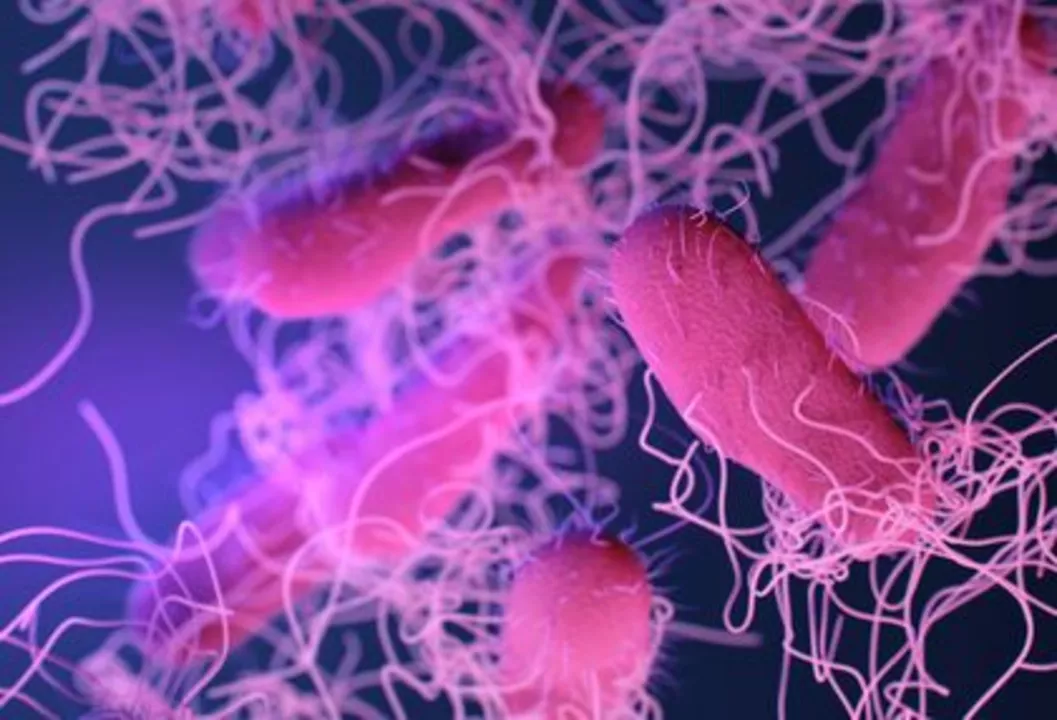
The role of government agencies in preventing and controlling salmonella
In my latest blog post, I discuss the crucial role government agencies play in preventing and controlling salmonella outbreaks. These agencies, such as the CDC and FDA, are responsible for monitoring food production and distribution, enforcing regulations, and ensuring public awareness of potential risks. They also collaborate with other organizations to conduct research and develop new methods for reducing contamination in our food supply. It's reassuring to know that these agencies work tirelessly to protect our health and ensure the safety of the food we consume. I encourage everyone to stay informed and follow guidelines provided by these agencies to minimize the risk of salmonella infections.