Statin Side Effects: What You Need to Know Before Taking Cholesterol Pills
When you take a statin, a class of drugs prescribed to lower LDL cholesterol and reduce heart attack risk. Also known as HMG-CoA reductase inhibitors, they’re among the most prescribed medications in the U.S.—but not everyone tolerates them well. Many people start statins expecting to feel better, only to end up with unexplained muscle pain, fatigue, or brain fog. The truth? Not every side effect is a myth, and not every warning is a scare tactic.
One of the most common complaints is muscle pain, affecting up to 10% of users, often in the shoulders, thighs, or calves. It’s not always obvious—some people think it’s just aging or a new workout routine. But if the ache shows up after starting a statin and fades when you stop, it’s likely connected. Less common but more serious are liver enzyme spikes, which show up on blood tests and signal stress on the liver. These don’t always cause symptoms, which is why doctors order routine blood work. And then there’s the quiet risk: new-onset diabetes, a small but real increase in blood sugar levels seen in some long-term users. It’s not guaranteed, but it’s something to track, especially if you’re already prediabetic.
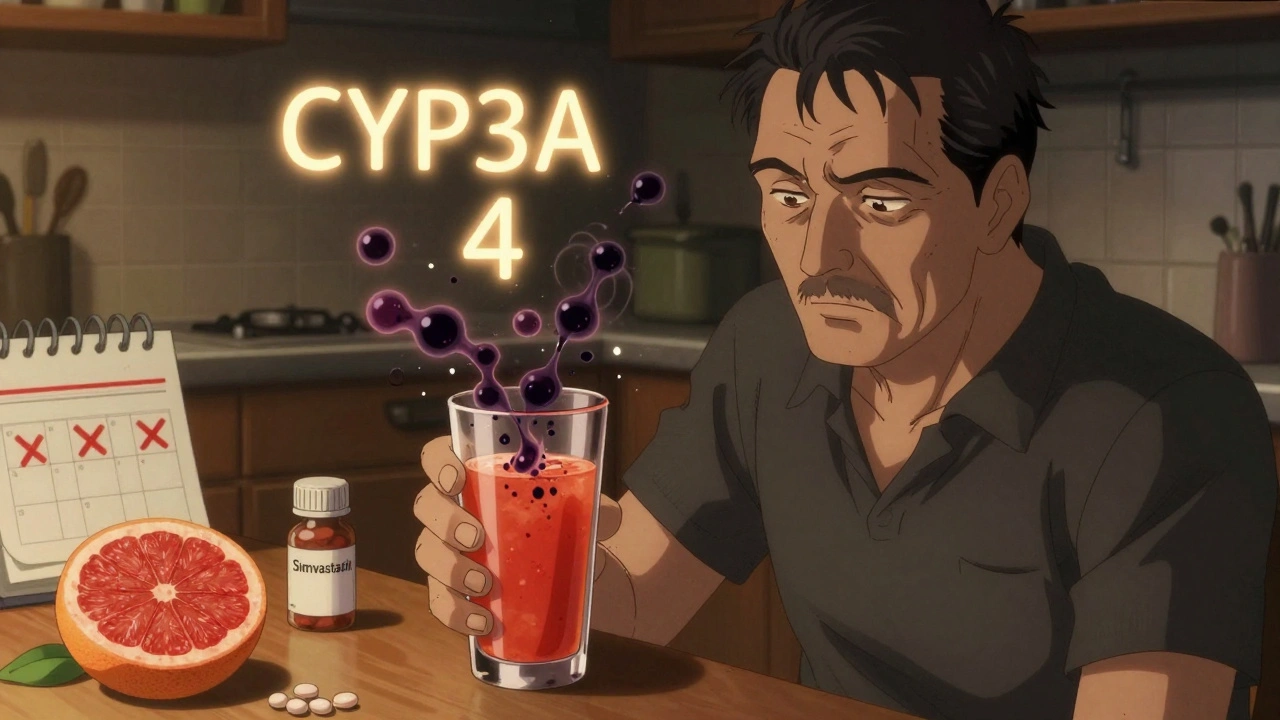
What’s often ignored? The role of drug interactions, especially with grapefruit juice, certain antibiotics, or other cholesterol drugs. A single glass of grapefruit juice can make your body absorb way more statin than it should, turning a safe dose into a risky one. And if you’re on multiple meds, your pharmacist should be reviewing every pill you take—not just the statin.
You don’t have to suffer through side effects just because your doctor says it’s "for your heart." There are alternatives: lower doses, different statins like pravastatin or fluvastatin (often better tolerated), or non-statin options like ezetimibe or PCSK9 inhibitors. The goal isn’t just to lower cholesterol—it’s to lower it without making you feel worse.
Below, you’ll find real stories and expert breakdowns on how to spot dangerous side effects, what blood tests to ask for, how to talk to your doctor without sounding like you’re arguing, and which people should avoid statins altogether. These aren’t theoretical warnings—they’re based on what patients actually experience, and what works when the pills stop feeling right.
Grapefruit and Statins: What You Need to Know About Dangerous Interactions
Grapefruit can dangerously increase statin levels in your blood, raising the risk of muscle damage and kidney failure. Learn which statins are affected, how to stay safe, and what alternatives exist.