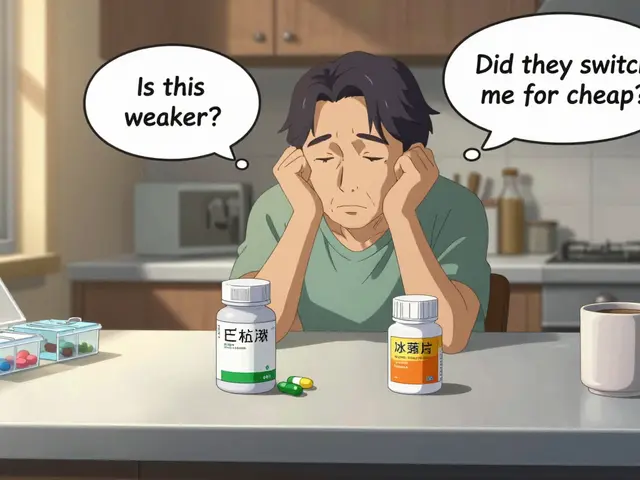
Grapefruit Drug Interaction: What You Need to Know Before Taking Medication
When you eat grapefruit, a citrus fruit known for its tart flavor and high vitamin C content. Also known as pomelo hybrid, it can interfere with how your body processes certain medications. This isn’t just a myth—it’s a real, well-documented risk that affects thousands of people every year. The problem isn’t the fruit itself, but how it changes the way your liver and intestines break down drugs. Even a single glass of juice can cause side effects that last for days.
Many common prescriptions are affected by grapefruit drug interaction, a biological reaction where compounds in grapefruit block enzymes that normally break down medications. This means the drug stays in your system longer and at higher levels than intended. Drugs like statins for cholesterol (such as simvastatin), blood pressure medications (like felodipine), and some anti-anxiety pills (including buspirone) can become too strong, leading to muscle damage, low blood pressure, or even heart rhythm problems. Not all citrus fruits do this—orange and tangerine are usually fine—but grapefruit, Seville oranges, and pomelos are the main culprits. If you’re on a daily pill, it’s worth checking whether your medicine is on the list.
The risk isn’t the same for everyone. Some people metabolize drugs differently, and age or liver health can make the interaction worse. Older adults are especially vulnerable because their bodies process medications slower to begin with. You might not feel anything right away, but over time, the buildup can cause serious harm. That’s why doctors and pharmacists ask about your diet—especially if you’re on long-term meds. It’s not about giving up fruit entirely; it’s about knowing which ones to avoid with your specific prescription. If you’re unsure, ask your pharmacist: "Does this medicine interact with grapefruit?" That one question could prevent an ER visit.
There’s no way around it: if your medication is on the list, skip the juice, the fruit, and even the supplements made from grapefruit extract. It doesn’t matter if you drink it at night or take your pill in the morning—the effect lasts too long. Some people think cutting back helps, but even small amounts can trigger the reaction. The safest move? Read the label, check the patient info sheet, or ask for a printed list of foods to avoid with your drug. You’re not being overly cautious—you’re being smart.
Below, you’ll find real-world stories and expert advice on how grapefruit affects medications, what to watch for after a switch, how to track side effects, and how to protect yourself when mixing food and pills. Whether you’re on blood thinners, antidepressants, or heart meds, this collection gives you the facts you need to stay safe without guessing.
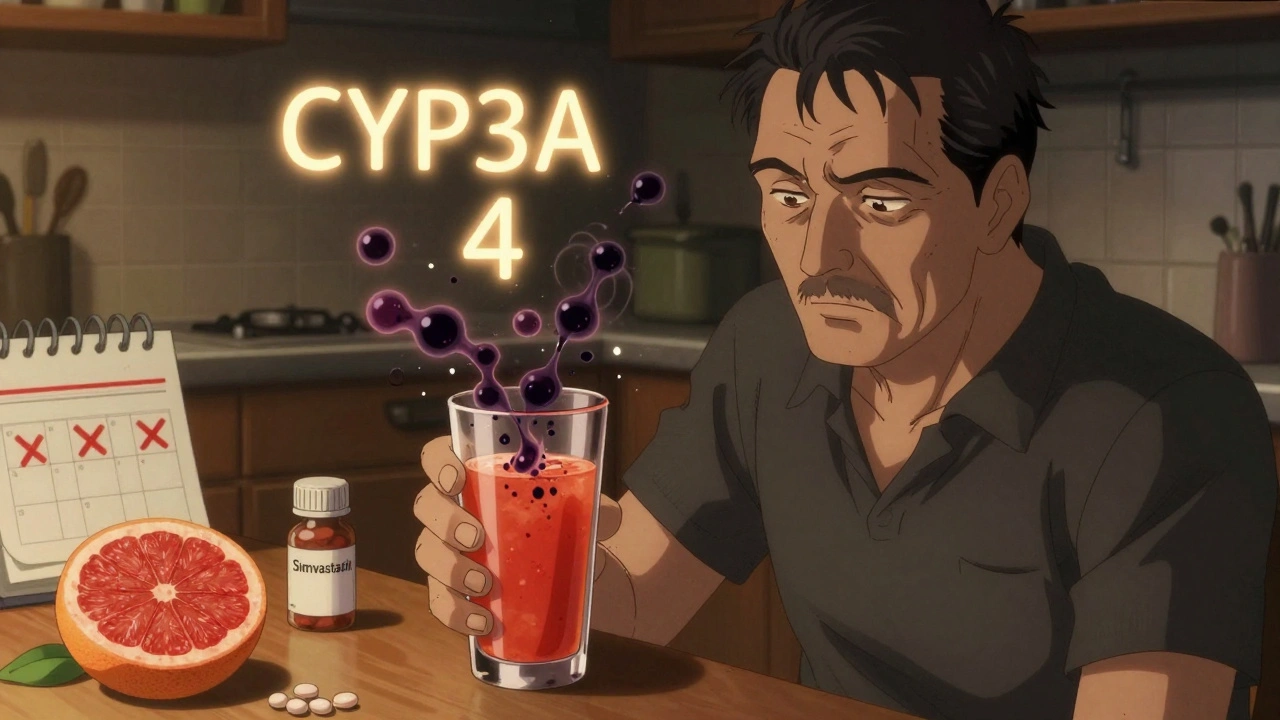
Grapefruit and Statins: What You Need to Know About Dangerous Interactions
Grapefruit can dangerously increase statin levels in your blood, raising the risk of muscle damage and kidney failure. Learn which statins are affected, how to stay safe, and what alternatives exist.