Prolactin Disorders: Causes, Symptoms, and What You Can Do
When your body makes too much prolactin, a hormone made by the pituitary gland that mainly controls milk production after childbirth. Also known as hyperprolactinemia, it can happen even if you’re not pregnant or nursing—and it’s more common than most people realize. This isn’t just about breastfeeding. High prolactin can mess with your sex drive, stop your periods, cause breast milk when you’re not pregnant, and even lead to trouble getting pregnant or maintaining an erection.
One of the most common causes is a small, noncancerous tumor on the pituitary gland called a prolactinoma, a type of benign growth that overproduces prolactin. It’s not dangerous like cancer, but it can grow big enough to press on nerves and cause headaches or vision problems. Other triggers include certain medications—like some antidepressants, antipsychotics, and even stomach acid reducers—kidney failure, hypothyroidism, or even stress and chest wall irritation. Sometimes, no clear cause shows up, and doctors call it idiopathic hyperprolactinemia.
Diagnosing it isn’t hard: a simple blood test checks your prolactin levels. If they’re high, your doctor might order an MRI to look at your pituitary gland. Treatment often starts with dopamine agonists, drugs like cabergoline or bromocriptine that trick the brain into lowering prolactin production. These work well for most people, shrinking tumors and bringing symptoms back to normal within weeks. Surgery or radiation are rare, usually only if meds don’t work or the tumor is pressing on your optic nerve.
What you won’t find in most guides is how often prolactin disorders are mistaken for depression, menopause, or just "being tired." If you’ve had unexplained milk discharge, lost interest in sex, or your period stopped for no reason—and no one checked your hormones—you’re not alone. Many people live for years thinking it’s "just stress" until someone finally orders that blood test.
The posts below cover real cases and practical advice: how prolactin drugs interact with other meds, what to watch for when switching treatments, how low libido from high prolactin affects relationships, and why some people need lifelong monitoring—even after symptoms disappear. You’ll also find links between prolactin issues and thyroid health, medication side effects, and how certain drugs can accidentally trigger it. This isn’t theory. These are the stories and facts that help people get answers when doctors don’t know where to look.
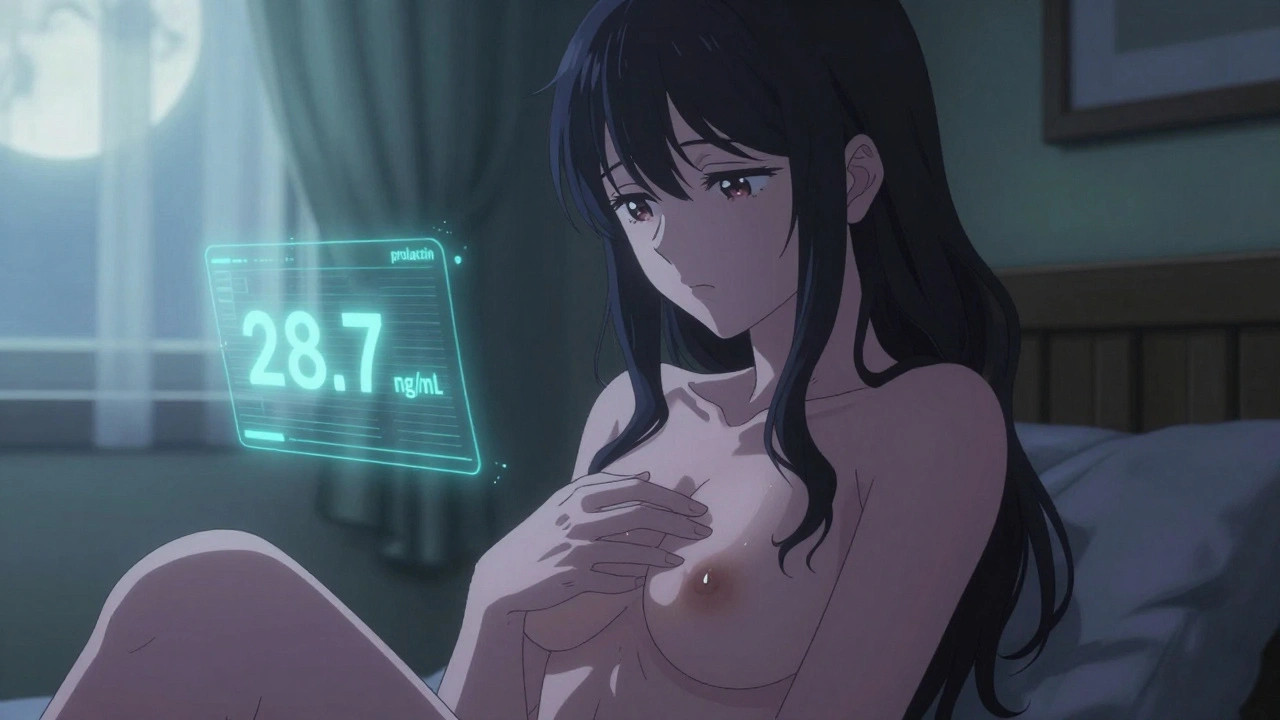
Prolactin Disorders: Understanding Galactorrhea, Infertility, and Effective Treatments
Galactorrhea and high prolactin can cause unexpected milk production and infertility, but effective treatments like cabergoline restore normal hormone levels and fertility in most cases. Learn the causes, diagnosis, and top treatments.