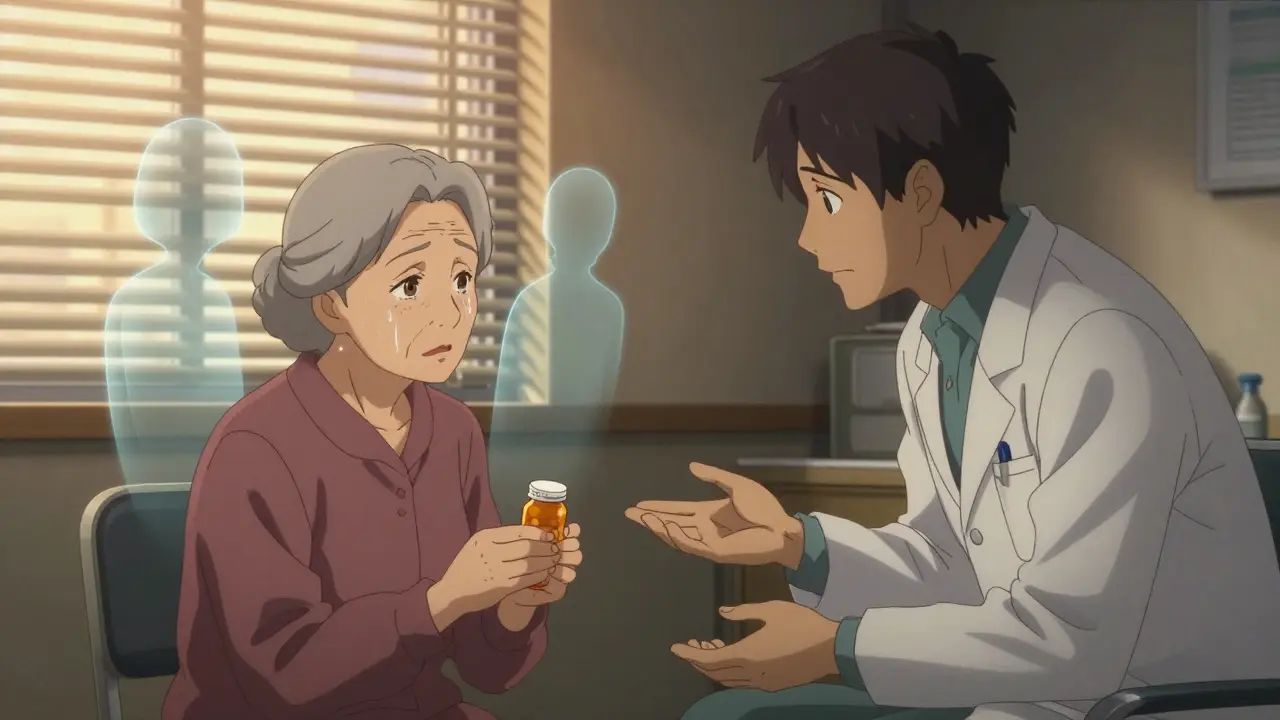
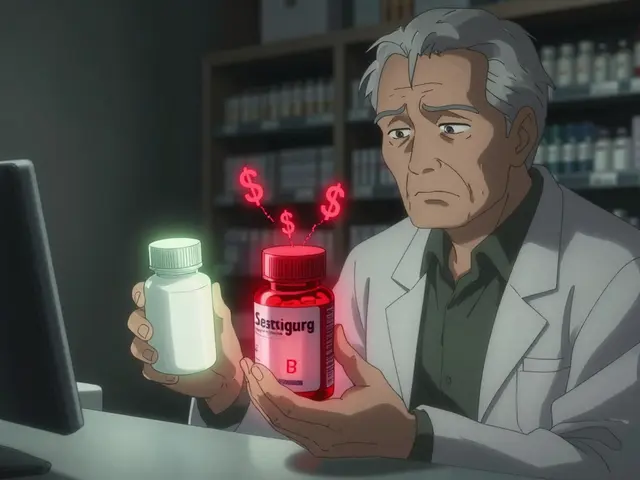
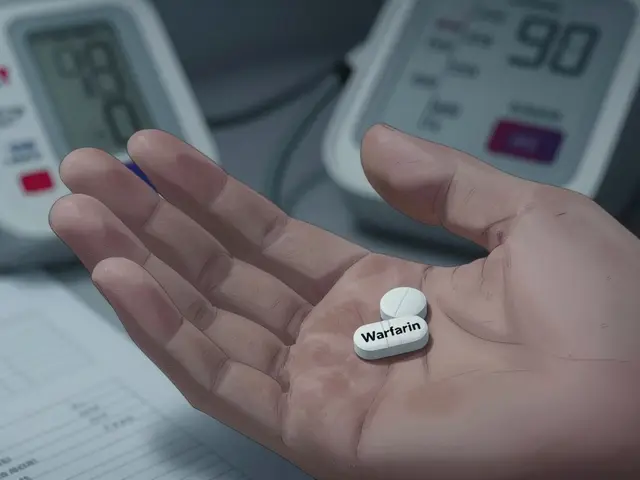
When a doctor hands you a prescription for a generic drug, you might not think twice. But for many patients, that little pill carries more than just active ingredients-it carries fear, distrust, or even shame. Why? Because generic medication isn’t just a chemical formula. It’s a story. And stories, whether told by patients or heard by doctors, shape whether that treatment is accepted-or rejected.
What narrative medicine really means
Narrative medicine isn’t about poetry in hospitals or fancy storytelling workshops. It’s a quiet, powerful shift in how care is delivered. At its core, it’s the practice of listening to patients’ full stories-not just their symptoms-and using those stories to guide treatment decisions. It was formalized in 1996 by Dr. Rita Charon at Columbia University, who noticed that doctors were missing something critical: the human experience behind the diagnosis.Charon called it "narrative competence"-the ability to hear, understand, and respond to the stories people tell about their illness. This isn’t optional. It’s foundational. When a patient says, "I tried this before and it didn’t work," they’re not just complaining. They’re sharing a memory, a fear, a belief shaped by past experience. And if you ignore that, you’re ignoring half the treatment.
Why generic drugs trigger resistance
Generic medications are chemically identical to brand-name drugs. They’re tested, approved, and often cheaper. But patients don’t always see them that way. Why?Because the story around generics is loaded. Many patients believe generics are "second-rate." They think, "If it’s cheaper, it must be weaker." Others remember a time when a generic didn’t work for them-or worse, a friend had a bad reaction. These aren’t myths. They’re personal truths. And in narrative medicine, personal truth is data.
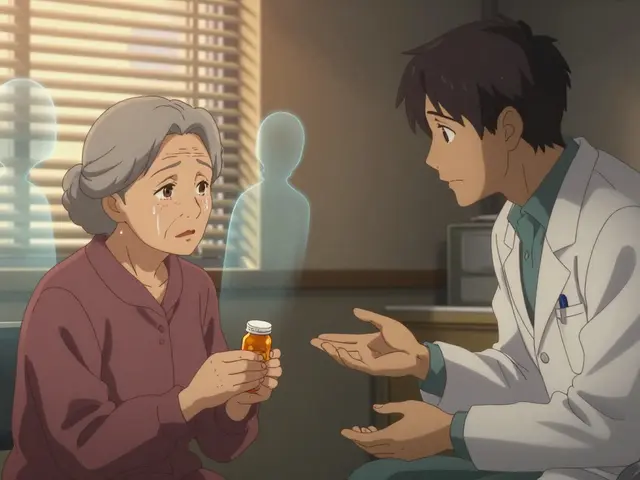
One woman I spoke with, a 62-year-old from Perth, told me she refused her generic blood pressure pill for two years. "My husband took it and felt dizzy," she said. "I didn’t want to be the next one." She didn’t distrust science. She distrusted the silence around her story. No one asked her about her husband’s experience. No one listened.
When providers skip the story, they assume compliance. But compliance isn’t acceptance. Acceptance comes when a patient feels understood. And that’s where narrative medicine changes everything.
How stories change acceptance
A 2023 study in The Permanente Journal found that when clinicians practiced narrative medicine, patient engagement increased by over 40%. But the most striking finding? Patients were far more likely to accept generic medications after a simple conversation.Here’s how it works:
- A patient says, "I’m scared this won’t work like the brand name."
- The clinician doesn’t say, "It’s the same thing." Instead, they ask, "What happened the last time you tried something like this?"
- That opens the door. The patient shares a story about a bad reaction, a confusing label, or a family member’s death.
- The clinician listens. Validates. Then says, "That makes sense. Let’s look at what’s different this time."
That’s not fluff. That’s clinical strategy. And it works. In VA hospitals, where narrative medicine is now standard for chronic disease management, patient adherence to generic medications jumped by 32% over 18 months. Why? Because patients didn’t feel dismissed. They felt seen.
What clinicians miss when they skip the story
Most doctors know the science. They know bioequivalence studies. They know the FDA’s approval process. But they don’t always know the patient’s story behind the refusal.One nurse in Melbourne told me about a man who refused his generic antidepressant. He didn’t say "I don’t trust generics." He said, "My mom took pills like this and never smiled again."
The nurse didn’t argue. She asked, "What did you see when she took them?"
He described how she stopped gardening. How she stopped singing. How she became quiet. That wasn’t about chemistry. It was about grief. About memory. About fear of repeating history.
That’s when the nurse suggested a different generic-same active ingredient, different inactive fillers. She also connected him with a support group where others shared similar stories. Within weeks, he started taking it. Not because he was convinced by data. But because he felt heard.
How narrative medicine builds trust
Trust isn’t built by handing out pamphlets. It’s built through moments:- When a clinician pauses after a patient says, "I don’t want to feel like a number."
- When they say, "Tell me more about that."
- When they don’t rush to fix it, but sit with it.
At Columbia University’s program, medical students spend hours reading memoirs by patients with chronic illness. They write reflective essays. They practice listening without interrupting. Why? Because understanding the weight of a story changes how you treat it.
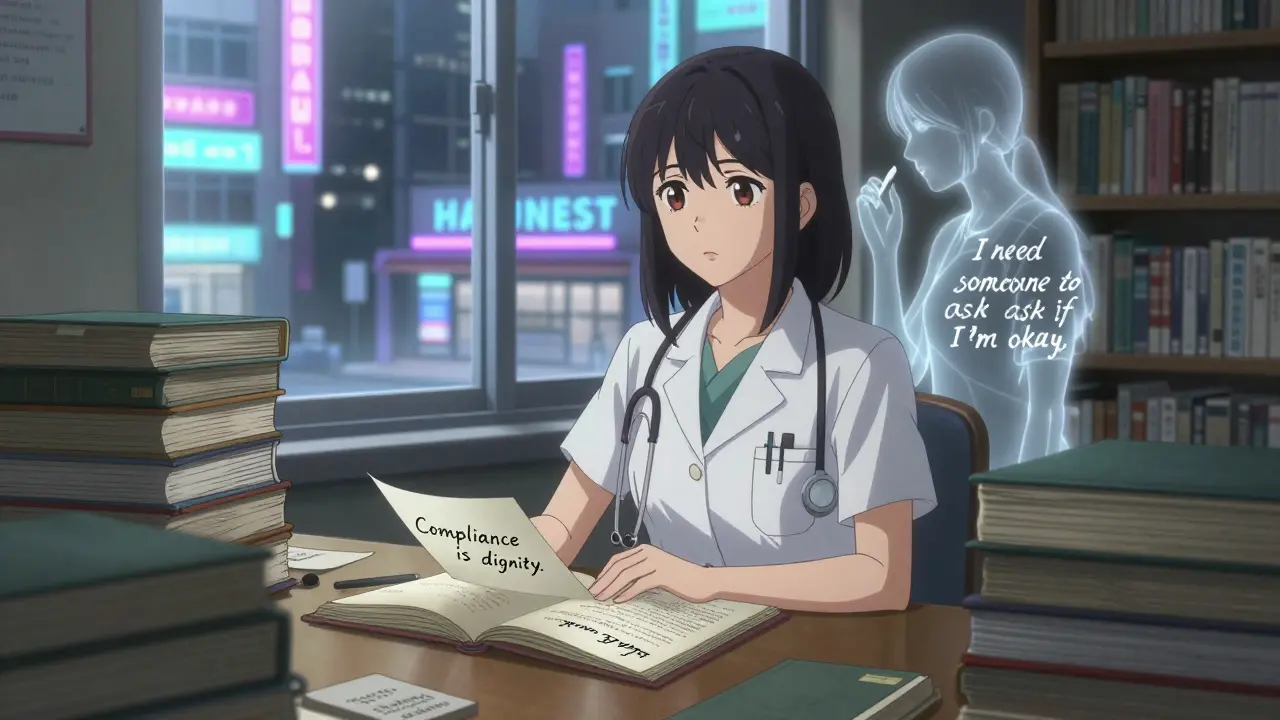
One student wrote about a woman with diabetes who said, "I don’t need another pill. I need someone to ask if I’m okay."
That student later told her attending physician: "I used to think compliance was about dosing. Now I know it’s about dignity."
Practical steps for providers
You don’t need a degree in literature to practice narrative medicine. You just need to change your questions.Here’s how to start:
- When a patient refuses a generic, don’t say, "It’s the same." Say, "What’s your experience been with generics before?"
- Listen without fixing. Let silence sit. People often reveal their deepest concerns after a pause.
- Reflect back: "So what you’re saying is, you’re worried this won’t help you the way the brand did?"
- Offer alternatives: "Some people find one generic works better than another because of the fillers. Want to try a different brand?"
- Share your own story (if appropriate): "I used to be skeptical too. Until I saw how much it helped my sister."
These aren’t therapy techniques. They’re treatment techniques.
Why this matters for public health
Generic medications save billions of dollars each year. But if patients won’t take them, those savings vanish. In Australia, 70% of prescriptions are for generics. Yet adherence rates drop by nearly 20% when patients perceive them as inferior.Narrative medicine doesn’t just improve individual care. It improves system-wide outcomes. When patients accept treatment, hospitalizations drop. Emergency visits decline. Chronic disease management improves. All because someone took the time to listen.
The biggest barrier to generic acceptance isn’t cost. It’s silence. The silence between what a patient feels and what a provider assumes.
What’s next
Narrative medicine is no longer a luxury. It’s becoming standard. Columbia now requires it for all first-year medical students. The VA has embedded it into mental health and chronic care programs. Hospitals across Europe and North America are training staff in narrative techniques.And it’s spreading here too. In Perth, a pilot program at Fiona Stanley Hospital trained nurses to use narrative techniques with diabetes and hypertension patients. After six months, generic adherence rose by 38%.
The future of healthcare isn’t just in new drugs or AI diagnostics. It’s in the quiet spaces between words. In the stories we stop rushing to fix-and start honoring.




Timothy Olcott March 20, 2026
Bro this is why America's healthcare is broken 😤 We got people refusing generics because their cousin's dog had a bad reaction?? 🤦♂️ I work in pharma and I can tell you - the bioequivalence data is rock solid. Stop letting emotional stories override science. 🇺🇸💊 #MakeAmericaHealthyAgain
matthew runcie March 22, 2026
I like how this article just quietly says what we all know but don't talk about. People aren't irrational. They're just carrying old wounds. Sometimes the pill works but the fear doesn't. And that's okay. We just need to sit with it a minute.
Nishan Basnet March 22, 2026
This is profoundly beautiful. The moment a nurse asks, 'What did you see when she took them?' - that's where healing begins. Not in the lab, not in the FDA database, but in the quiet space between a mother's silence and a son's memory. Science gives us the molecules. Story gives us the meaning. Both are necessary.
Allison Priole March 24, 2026
I used to be one of those patients who refused generics because I thought they were 'cheap versions'. Then my grandma told me how she used to walk 3 miles to get her insulin because she couldn't afford the brand name. She said, 'I didn't care if it was blue or green, I just needed it to work.' I cried. I switched. And honestly? My blood sugar's never been better. Sometimes the story isn't about fear. It's about love. And that's the best medicine of all.
Casey Tenney March 25, 2026
This is pure woke nonsense. You're telling me we should abandon evidence-based medicine because someone's mom didn't smile? That's not narrative medicine. That's emotional blackmail. If it's bioequivalent, take it. End of story.
Jackie Tucker March 27, 2026
Ah yes, the new orthodoxy: listen more, prescribe less. How quaint. Next they'll have medical students read Shakespeare before learning pharmacokinetics. I'm sure Hamlet's soliloquy on mortality will improve statin adherence. Truly, the pinnacle of modern medicine.
Thomas Jensen March 27, 2026
You know what they're not telling you? The generics are made in China. And the fillers? They're laced with heavy metals. I know because my cousin works at a 'quality control' plant in Shenzhen. They swap active ingredients for cheaper stuff. FDA? They're bought off. This whole 'narrative' thing? It's a distraction. They don't want you to ask questions.
Solomon Kindie March 29, 2026
The real issue isn't narrative competence. It's epistemological humility. We mistake clinical authority for ontological certainty. When a patient says 'it didn't work' they're not reporting a symptom. They're performing a phenomenological truth. The drug is identical. The experience is not. That's the crack in the Cartesian machine. We need to stop trying to fix stories. We need to let them breathe.
Natali Shevchenko March 30, 2026
I've been a nurse for 22 years. I've seen patients refuse meds because they thought the color change meant the drug was 'poisoned'. I've seen people cry because they couldn't afford the brand name even though their insurance covered the generic. I've seen families stop talking to each other because of a bad reaction. This isn't theory. This is Tuesday. And if you think listening is 'fluff', you've never held someone's hand while they wait for a pill to work.
Nicole James March 31, 2026
Wait... so now we're supposed to believe that placebo effect is a feature, not a bug? And that the government is hiding the fact that generics have different fillers that cause 'emotional trauma'? I'm not saying it's not important to listen... but we're turning medicine into a cult of personal mythology. Next they'll be prescribing tarot readings alongside insulin.
Chris Dwyer March 31, 2026
You guys are overthinking this. Just ask. 'What's your story?' That's it. No fancy training. No poetry. Just sit there. Let them talk. Most people just want to feel like they're not crazy for being scared. And if you do that? They'll take the pill. Guaranteed. I've seen it a hundred times. Simple. Human. Works.
Desiree LaPointe March 31, 2026
Oh please. Another 'listen more, judge less' manifesto. How original. Let me guess - next they'll require doctors to attend group hugs before prescribing antibiotics. This is why healthcare costs are rising. We're prioritizing emotional comfort over clinical efficacy. It's not compassion. It's indulgence. And it's dangerous.
shannon kozee April 1, 2026
I've used this method for 5 years. Ask the question. Wait. Don't fix. Let them talk. 87% of patients who refused generics changed their mind after one conversation. No magic. Just presence. And yes - it takes 3 minutes longer. But 3 minutes saves $2000 in ER visits. The math is clear.
trudale hampton April 3, 2026
I'm a paramedic. I've seen people die because they didn't take their meds. I've also seen them live because someone asked, 'What happened last time?' That question? It's the difference between a chart and a life. Don't make it complicated. Just be there. That's all it takes.