Glucometer Basics: How to Pick, Use, and Read Your Blood Sugar
If you’ve just started checking your blood sugar or you’re thinking about a new device, you probably have a bunch of questions. Which glucometer is best? How do I get a reliable reading? What do the numbers really mean? Let’s break it down in plain language so you can feel confident about your choice and your daily routine.
Choosing the Right Glucometer
The market is crowded, but you don’t need to test every model. First, look at the test strip cost because you’ll be buying those every few days. A cheaper meter can end up expensive if the strips are pricey. Second, check if the meter works with your insurance or a discount program – many plans cover specific brands.
Next, think about ease of use. Some meters have big buttons and clear screens, which help if you have shaky hands or vision issues. Others connect to a smartphone app and store results automatically. If you like tracking trends on your phone, a Bluetooth‑enabled meter might be worth the extra cost.
Finally, read reviews that talk about accuracy. Look for meters that meet the ISO 15197 standard – it means the device is reliable within a small margin of error. You can also ask your pharmacist for a quick demo; they often have a few models on hand.
Getting Accurate Readings
Even the best glucometer can give wrong numbers if you don’t follow a few simple steps. Wash your hands with warm water and dry them well before testing. If you’re in a hurry and use a dry wipe, the reading can be high because of skin sugars.
Use a fresh test strip for each test. Strips can degrade once opened, especially if they’re exposed to humidity. Store them in the original container with the desiccant packet still inside.
When you place the drop of blood, aim for a small, clean drop. Squeezing too hard can dilute the sample with interstitial fluid, which skews the result. Most meters give a beep or a visual cue when they’ve got enough blood.
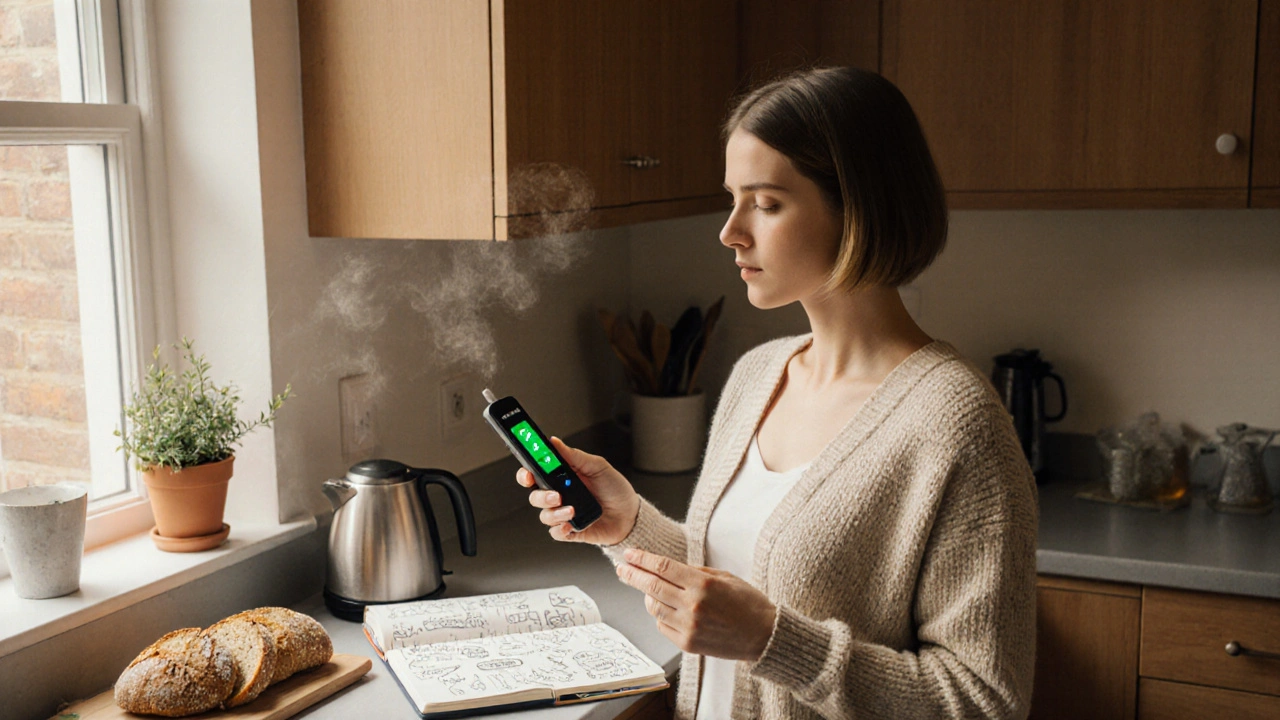
After you get a reading, write it down or let the app log it automatically. Over time you’ll see patterns – like higher numbers after meals or lower numbers after exercise – and you can share that data with your doctor.
One practical tip: test at the same time each day. Whether it’s before breakfast or before bedtime, consistency helps you compare results more accurately.
Remember, a glucometer is a tool, not a diagnosis. If a reading seems off, repeat the test or ask a healthcare professional. Most devices have a built-in quality check that alerts you to potential errors, so pay attention to those warnings.
By picking a meter that fits your budget and lifestyle, and by following these simple testing habits, you’ll get reliable numbers that help you manage your diabetes better. Keep it simple, stay consistent, and let your glucometer be a steady partner in your health journey.
Why Regular Blood Sugar Monitoring Is Critical for Diabetics
Regular blood sugar monitoring helps diabetics spot lows and highs early, guide insulin dosing, and improve long‑term health. Learn tools, habits, and tips for better diabetes management.