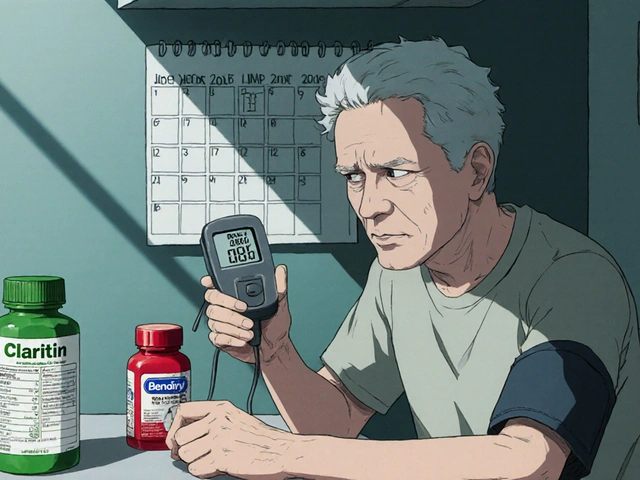
Regulatory Capture: How Drug Companies Control the Rules
When the agencies meant to protect you end up working for the companies they’re supposed to regulate, that’s regulatory capture, a situation where industry interests dominate government oversight. It’s not conspiracy—it’s policy. And it’s why your prescription costs more than it should. The FDA, Congress, and even courts have been shaped by years of lobbying, revolving-door hires, and legal loopholes that favor big pharma over patients. This isn’t about bad people—it’s about systems designed to let money win.
FDA exclusivity, a legal shield that blocks generics even without a patent is one of the biggest tools in this game. A drug can get 5 years of exclusivity for a new use, 7 for rare diseases, or 12 for biologics—all without inventing anything new. That’s how a company can extend a monopoly long after its patent expires. Generic drug delay, the practice of using legal and regulatory tactics to block cheaper alternatives isn’t accidental. It’s calculated. And it’s happening right now with drugs for diabetes, heart disease, and mental health.
These aren’t abstract concepts. They show up in your pharmacy bill. They’re why a drug that costs $5 a pill in Canada costs $50 here. They’re why you’re told to wait months for a generic that’s already been approved. And they’re why companies push for new exclusivity rules every year—even when the original drug hasn’t changed.
What you’ll find in these posts isn’t theory. It’s real examples: how regulatory capture hides behind terms like "data exclusivity" and "patent thickets," how Hatch-Waxman Act, the law meant to balance innovation and access got twisted to favor delays, and how ANDA litigation, the legal battles over generic drug approvals are often about stalling, not safety. You’ll see how a single court decision can delay generics for years, how authorized generics are used to crush competition, and why some drugs never get cheaper—even when they’ve been around for decades.
There’s no magic fix. But understanding how the system works is the first step to pushing back. These posts break down the mechanics—the jargon, the loopholes, the hidden rules—so you know exactly where the money’s going and why your options are limited. You’re not just reading about policy. You’re learning how to navigate a system that’s been rigged.
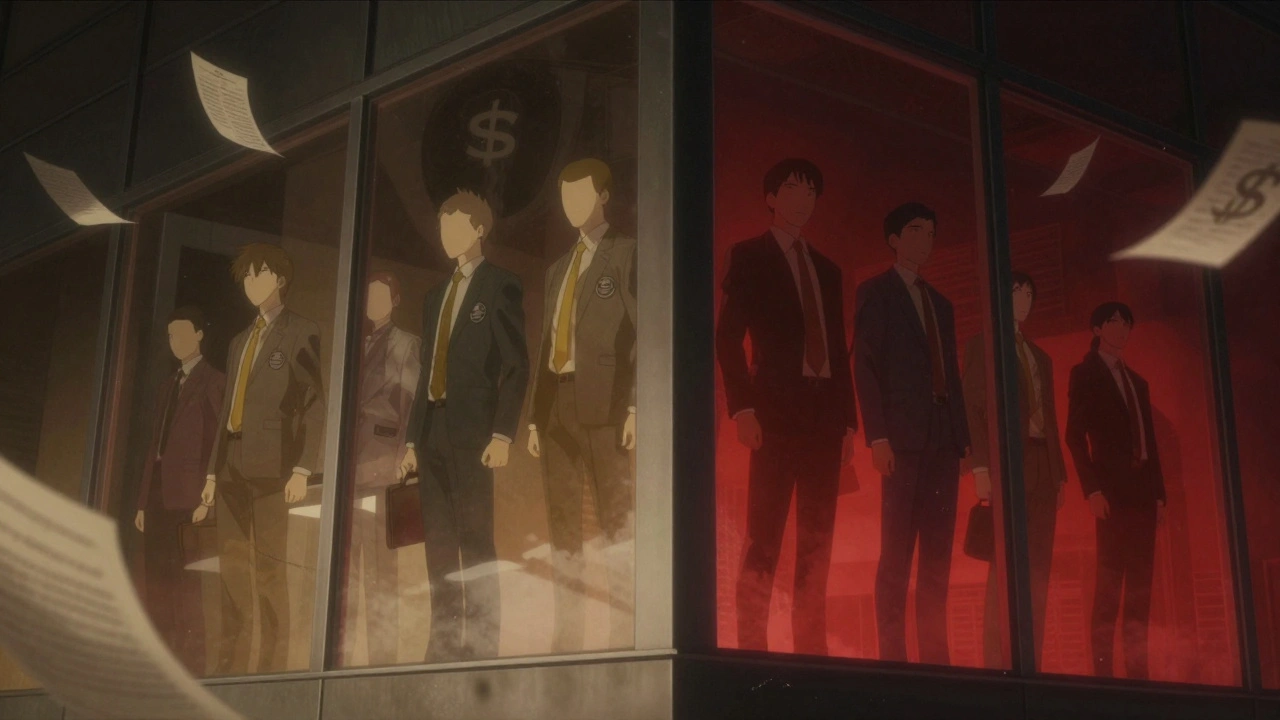
Regulatory Capture: How Industry Influence Undermines Public Protection
Regulatory capture happens when agencies meant to protect the public end up serving the industries they regulate. From Wall Street to energy giants, this hidden influence leads to weaker rules, higher prices, and lost trust in government.