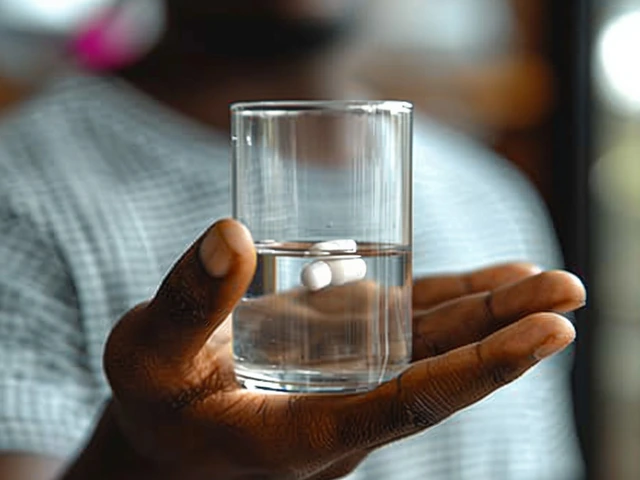
Phosphate Binder Comparison: What Works Best for You?
If you have chronic kidney disease (CKD), you know that keeping blood phosphate low is a daily battle. The right binder can make that fight easier, but with so many brands on the market, picking one feels like guessing. Let’s cut through the jargon and look at the main players, how they work, and what to watch out for.
How Do Phosphate Binders Actually Work?
Phosphate binders sit in your gut and grab the phosphate that comes from food. Instead of being absorbed, the phosphate sticks to the binder and leaves your body in the stool. This simple chemistry means you don’t have to change every single meal—just add the binder at the right time.
There are three basic types: calcium‑based, sevelamer‑based, and iron‑based. Each has its own strengths and drawbacks, and the best choice often depends on your lab numbers, other meds, and personal preferences.
Head‑to‑Head: Calcium vs. Sevelamer vs. Iron
Calcium‑based binders (e.g., Calcium acetate, Calcium carbonate) are the cheapest and easy to find. They work well when your calcium level is low or normal. The catch? Too much calcium can raise blood calcium and may lead to vascular calcification, especially if you already have high calcium.
Sevelamer (Renvela, Renagel) contains no calcium, so it’s a safe pick if you’re worried about calcium overload. It also helps lower LDL cholesterol a bit, which is a nice side benefit. The downside is the pill count—sevelamer tablets are larger, and many patients need to take several a day.
Iron‑based binders (e.g., Ferric citrate, Sucroferric oxyhydroxide) kill two birds with one stone: they bind phosphate and give you extra iron. This can be handy if you have iron‑deficiency anemia. However, they sometimes cause dark stools and can be a bit pricey.
When you compare costs, calcium binders win, sevelamer lands in the middle, and iron binders sit at the higher end. But cost isn’t the only factor—look at your calcium, iron, and cholesterol labs before deciding.
Another practical point is timing. All binders work best when taken with meals, ideally within 30 minutes of eating. Skipping doses or taking them at the wrong time reduces effectiveness dramatically.
Side effects differ too. Calcium binders may cause constipation, sevelamer often leads to stomach upset or nausea, and iron binders can cause diarrhea or black stools. If you notice any new gut symptoms, talk to your doctor about switching.
Finally, consider drug interactions. Calcium can bind with certain antibiotics or iron supplements, lowering their absorption. Sevelamer can also affect the uptake of some vitamins. Keep a medication list handy and review it with your pharmacist.
In short, there’s no one‑size‑fits‑all answer. If your calcium is already high, skip calcium binders. If you need extra iron, an iron‑based binder might be the sweet spot. If you’re looking for a budget‑friendly option and your calcium is low, calcium acetate is a solid pick.
Remember, the goal is to keep phosphate in the safe range while minimizing extra problems. Regular blood tests, honest conversations with your healthcare team, and a bit of trial‑and‑error will get you there.
Got questions about dosing or side effects? Drop a comment below or ask your pharmacist. The right binder can make a big difference in how you feel day‑to‑day, so it’s worth taking the time to find it.
PhosLo (Calcium Acetate) vs Other Phosphate Binders: Which Is Right for You?
A detailed comparison of PhosLo (calcium acetate) with sevelamer, lanthanum carbonate, ferric citrate, and magnesium hydroxide, covering efficacy, side effects, cost, and best-use scenarios for CKD patients.