Blood Sugar Monitoring: Simple Steps to Keep Your Levels in Check
Did you know that more than 1 in 10 adults in the U.S. have diabetes? If you or a loved one lives with this condition, tracking blood sugar isn’t a luxury—it’s a daily must‑do. The good news? Modern glucose meters make it easier than ever, and you don’t need a medical degree to understand the numbers.
First things first: pick a meter that fits your lifestyle. Finger‑stick meters are cheap and reliable; they give you a quick reading in seconds. If you hate needles, look for a continuous glucose monitor (CGM). CGMs stick under the skin and send real‑time data to your phone, so you can see trends without pricking your finger every few hours.
How Often Should You Test?
Testing frequency depends on your treatment plan. If you take insulin, most doctors recommend checking before meals, two hours after eating, and at bedtime. For those on oral meds, a once‑or‑twice‑daily check often suffices. The key is consistency—test at the same times each day so you can spot patterns.
When you get a result, don’t just note the number. Ask yourself three quick questions:
- What did I eat or drink before this test?
- Did I exercise, and if so, how intense?
- Am I feeling any symptoms like shakiness or fatigue?
Answering these helps you connect lifestyle choices with spikes or drops, making future decisions easier.
What Do the Numbers Mean?
Blood sugar is measured in mg/dL (milligrams per deciliter) in the U.S. and mmol/L (millimoles per liter) elsewhere. A typical fasting range is 70‑100 mg/dL; two hours after a meal, it should stay under 180 mg/dL. Values below 70 mg/dL mean low blood sugar (hypoglycemia), which can cause dizziness or confusion. Anything consistently above 130 mg/dL (fasting) or 180 mg/dL (post‑meal) signals high blood sugar (hyperglycemia) and may need medication adjustment.
If you see a read‑out outside your target range, take immediate action. For low sugar, have a quick carbohydrate—like fruit juice or glucose tablets—ready. For high sugar, a short walk or a small dose of insulin (if prescribed) can bring it down. Always follow your doctor’s plan, and keep a log of any corrective actions.
Keeping a digital log is a smart move. Many meters sync with smartphone apps that chart trends, calculate averages, and even send alerts when you’re out of range. Review these charts weekly; they reveal hidden patterns such as a midday dip or an evening spike after dinner.
Don’t forget the “non‑numeric” factors that affect glucose. Stress hormones, illness, and even poor sleep can raise blood sugar without a change in diet. If you’re sick, test more often and stay hydrated.
Now, let’s talk about cost. Test strips are the biggest ongoing expense. Buying in bulk, using coupons, or checking insurance coverage can cut the bill. Some pharmacies offer price‑match guarantees, so shop around before you commit.
Finally, know when to call your healthcare provider. Persistent high readings (above 200 mg/dL) or frequent lows, especially if they cause symptoms, warrant a professional review. Your doctor may tweak medication, suggest a new meter, or refer you to a diabetes educator for deeper training.
Monitoring blood sugar isn’t just about numbers; it’s about gaining control over your health. With the right device, a simple testing routine, and a habit of noting what you ate and how you felt, you can keep your glucose steady and avoid surprises. Start today, track consistently, and you’ll soon see how small daily actions make a big impact on long‑term well‑being.
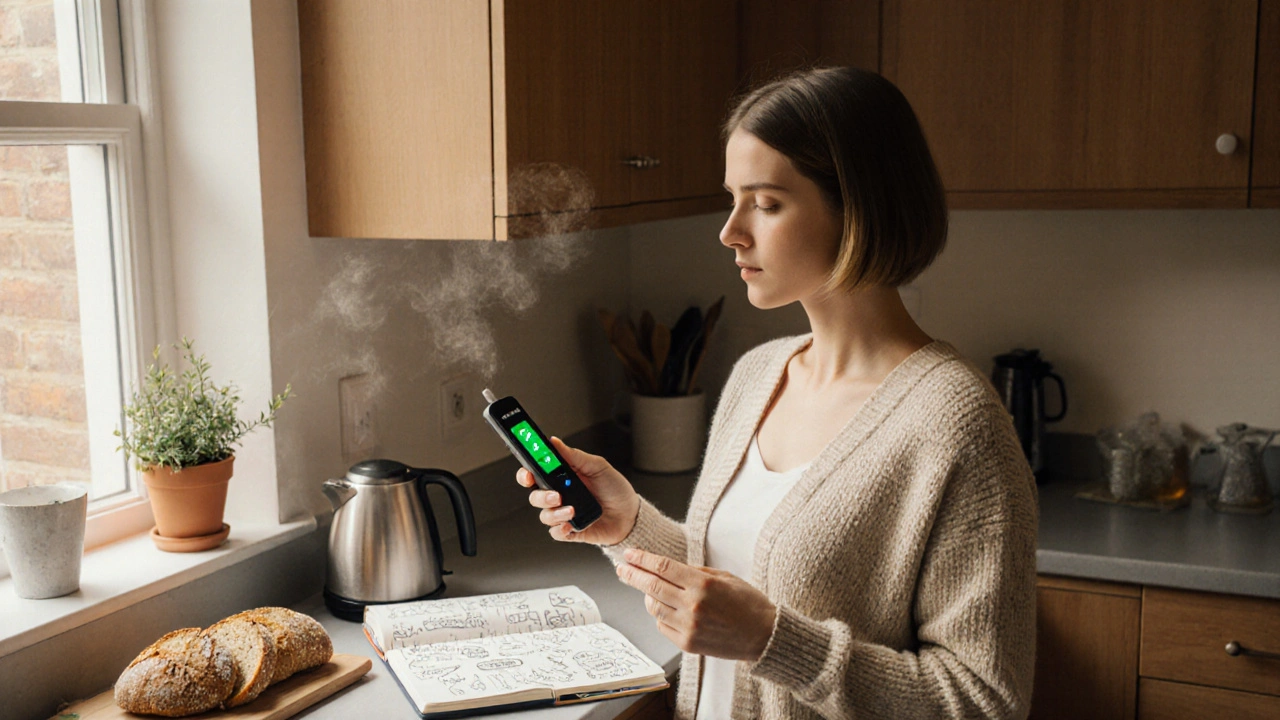
Why Regular Blood Sugar Monitoring Is Critical for Diabetics
Regular blood sugar monitoring helps diabetics spot lows and highs early, guide insulin dosing, and improve long‑term health. Learn tools, habits, and tips for better diabetes management.